


EU decision-makers told bottom trawling is sustainable
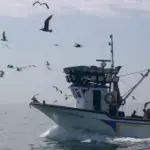
Bottom trawling in EU waters can be sustainable, a European Parliament conference has heard, with the European Bottom Fisheries Alliance (EBFA) urging the European Commission to incorporate all relevant scientific findings into its policy-making, including the action plan, and to refrain from “cherry-picking scientific data to advance its own agenda”.
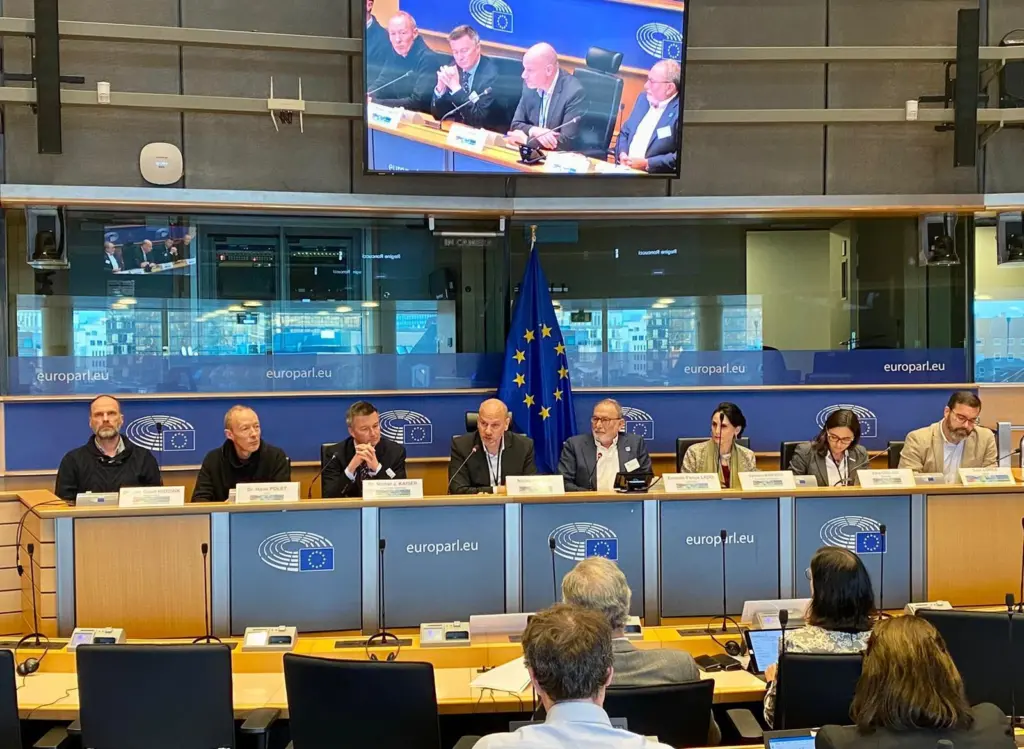
Hosted by Member of the European Parliament (MEP) and rapporteur Niclas Herbst, the event “Is bottom fishing in the EU sustainable? A new perspective under the European Commission’s Action Plan” brought together leading scientists on seabed habitats and bottom fishing, along with representatives from the Commission, key stakeholders from the fishing sector and civil society.
The Action Plan is part of the EU Biodiversity Strategy imposing the objective of legally protecting 30% of Union waters by 2030, including a gradual phase out of active bottom fishing by 2030.
At the conference, held on 28 November 2023, scientists presented the latest research on bottom trawling sustainability, compatibility with Marine Protected Areas (MPAs) and trade-offs between the environmental impact of fisheries and food self-sufficiency.
Representing the bottom fishing fleet of 14 EU member states, EBFA said it has presented solid science to the Commission services over the past 18 months showing how to better protect the seas while ensuring a future for fishermen and guaranteeing food security.
According to the alliance, the Commission has in the end decided to follow campaigns fabricated by eNGOs, who pursue the goal to ban bottom trawling, instead of listening to science.
“It is a real pity that an open dialogue between scientists, policy makers, and stakeholders was not organized during the two years that the conception of the action plan lasted, despite our repeated requests. All that we wanted was an honest discussion on the available science and to find the best tools to protect the environment while allowing our fishers to make a living. It is a shame that this has to be done in the implementation phase of the action plan. The Commission is putting the cart before the horse,” EBFA Chair Iván López said.
Prof Jan Hiddink of Bangor University explained the carbon benefits of ending bottom trawling have been massively overstated by a previous paper.
It was highlighted that using exaggerated figures is worrying, as the EU is proposing bans on bottom trawling and may use the “carbon credits” to offset other activities. If the carbon emissions are overestimated by several orders of magnitude (between 100 to 1000 times), as a result, we risk increasing overall CO2 emissions while reducing global food supply.
Prof Michel Kaiser of Heriot Watt University showed that, despite its impact on seabed habitats, bottom-trawl and dredge fisheries have been shown to be sustainable where they are well managed, stocks are increasing.
He stressed that when management measures are implemented (gear and spatial rules), it appears that bottom trawling would have a lower environmental impact than livestock or fed aquaculture, which would likely replace trawl-caught fish if trawling was banned.
Meanwhile, Dr Hans Polet, Scientific Director of the Flanders Research Institute for Agriculture, Fisheries and Food (ILVO) presented a groundbreaking innovation called “Vistools”. Thanks to real-time information provided by fishers, this technology enables precise monitoring of the specific seabed types where fishing activities occur, facilitating precision fishing. This breakthrough allows for targeted fish operations in narrow, sandy areas while avoiding sensitive areas.
López remarked: “I hope it is clear now for everybody that bottom fishing is part of the definition and future of sustainable fishing. It can have a lower environmental impact than other food production methods, and as such it cannot be replaced.”
He said: “We will continue investing in science and innovation to mitigate our impact. Already a total of 83 bottom-trawl fisheries are currently certified by the Marine Stewardship Council, which is the most widely accepted measure of overall sustainability. Banning this traditional method is not an option we can afford in the EU, particularly if we want to reduce our dependency on seafood imports – which amount to more than 70%.”
Related Articles
 FISHERIES
 FISHERIES
 FISHERIES