
- News
- Subscribe
- Industry Database
- Events
Icelandic Fisheries Exhibition
IceFish Conferences
The largest commercial fishing exhibition in the North. Co-located with the Icelandic Fisheries Exhibition, the IceFish Conferences bring the seafood sector together for three days of insight, innovation and connection. Visit the IceFish Website Visit IceFish Conferences
- Special Reports
By-Product Solutions
Smart, Connected Seafood Processing
Land-Based Aquaculture Technology
Greener Fishing
January-February 2026 March-April 2025 July-August 2025 November-December 2025 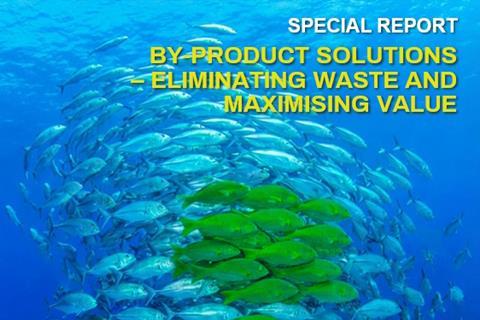



Cutting waste and maximising value Robotics, analytics software and other Industry 4.0 technologies are helping to scale-up productivity New production systems are escalating the industry’s contribution to global food security Fisheries are becoming increasingly responsible and sustainable thanks to new technologies and initiatives Read More Read More Read More Read More
EU Commissioner Kadis praised for support of fishing industry
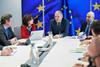
Europêche uses first meeting to underline the need for workable and balanced EU policies that support the sector
European fishing industry representative body Europêche has welcomed the commitment shown by new EU Commissioner for Fisheries and Oceans Costas Kadis to delivering a resilient, competitive and sustainable fisheries sector.
Europêche held its first meeting with Commissioner Kadis on 29 January 2025 to address the future of the EU fisheries sector under the legislative term 2024-2029. It said the dialogue focused on securing workable and balanced EU policies that support the sector, ensure access to traditional fishing grounds, strengthen EU seafood sovereignty, and promote fair market competition – all while fostering socio-economic growth for coastal communities.
At the meeting, the association emphasised the urgency of immediate action to reverse the declining fleet size and job losses – caused by imbalanced EU policies, costs pressures, increasing area closures, access restrictions and maritime spatial squeeze. It called for fairer competition in the marketplace by aligning sustainability standards for imported seafood with those required of EU fishers, ensuring a level playing field.
Europêche President Javier Garat said the body was very pleased with the Commission’s active engagement, and declared that Commissioner Kadis showed a strong commitment to maintaining an open dialogue and developing practical policies and regulations for the sector.
“This is just the first of many meetings needed to tackle the significant challenges facing our industry. Our discussion with Commissioner Kadis represents an important step towards shaping a competitive and sustainable future for the EU fisheries sector. We look forward to a shift in policy direction and the CFP evaluation presents a crucial window of opportunity. Europêche remains fully committed to working closely with the Commissioner and his team,” Garat said.
Continue this article…
Already subscribed? SIGN IN now
Register for free access to more World Fishing & Aquaculture content
Want to read more? It only takes a minute to sign up for a free account and you’ll get to enjoy:
- Weekly newsletters providing valuable news and information on the commercial fishing and aquaculture sector
- Full access to our news archive
- Live and archived webinars, podcasts and videos
- Articles on innovations and current trends in the commercial fishing industry
- Our extensive archive of data, research and intelligence
Get more free content sign up today

