





English fisheries lack trust, says study
Rebuilding trust in English fisheries governance will be vital in creating a sustainable industry post-Brexit, according to a new study.
In their study, ‘The importance of rebuilding trust in fisheries governance in post-Brexit England’, researchers at the University of East Anglia say they have found worrying low levels of trust in fisheries since the UK left the EU.
Rather than the high levels of trust needed between managers and fishers, the research instead revealed perceived incompetence, indifference to fishers’ livelihoods and inadequate consultation.
“It is evident that a history of failing to deliver and of broken promises has undermined trust in the institutions which govern fisheries in England,” said lead author Maximilian Dixon, of the Centre for Social and Economic Research on the Global Environment at UEA.
“They are weakly resilient to various potential disturbances such as natural disturbances, changes in policy, performance failure or personnel turnover,” he added.
The survey ran during July and August in 2022 and responses represent just under 1% of English fishers.
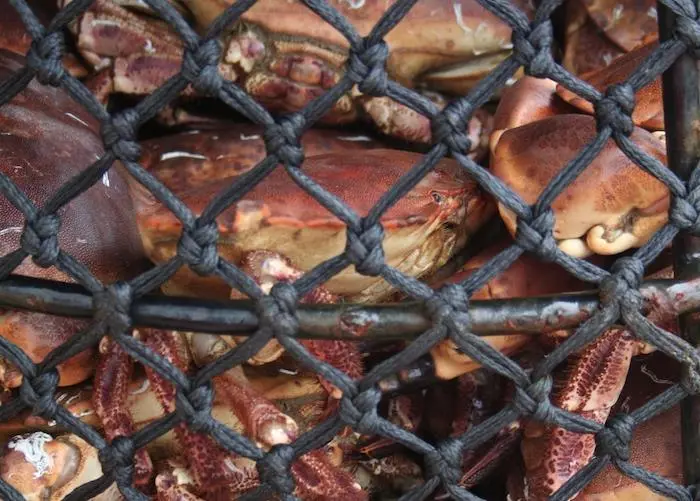
It focused particularly on mass mortality of crustaceans on the north-east coast in 2021 which heavily impacted crab and lobster fisheries.
Trust was damaged by the handling of the event by Northern Eastern Inshore Fisheries and Conservation Authorities and Defra, found the survey, with issues such as transparency, competence and communication called into question.
On a positive note, local institutions were deemed more trustworthy with better communication, found researchers.
“Improved communication between fishers and local fishery officers could rebuild trust, enhancing confidence in institutions’ competence and commitment to fishers’ futures,” said co-researcher Dr Gaetano Grilli, lecturer at UEA’s Norwich Business School.
“This foundation of trust at the local level is pivotal for the co-operative management needed to ensure the long-term sustainability of England’s fisheries.”
Related Articles
 FISHERIES
 FISHERIES
 FISHERIES