





Declining cod catch hits Iceland’s May landings
The volume of fish and shellfish landed by Iceland’s fishing fleet decreased by 11% or more than 42,000 tonnes in May 2023 to a total 101,847 tonnes, according to preliminary figures for the month gathered by the country’s Directorate of Fisheries.
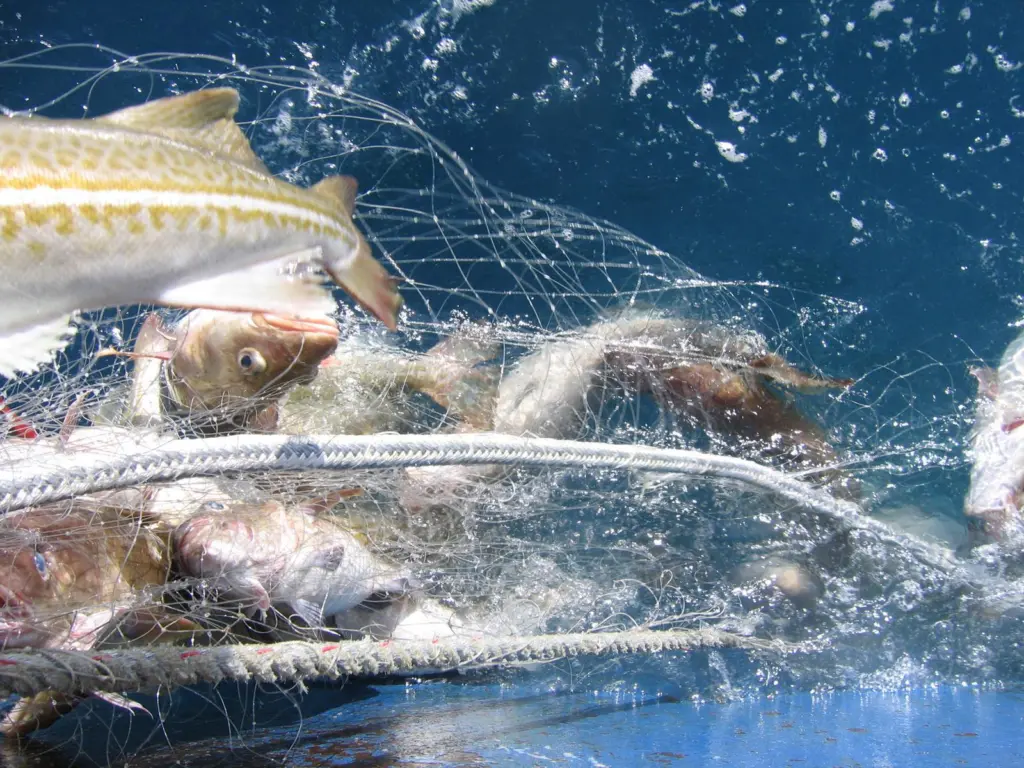
The drop was mainly attributed to depleted demersal and pelagic catches versus May 2022.
Last month’s total pelagic volume shrank 35% year-on-year to 60,310 tonnes. This was mostly due to a 32,447-tonne fall in the blue whiting catch, which totalled 59,918 tonnes. Aside from blue whiting, just 392 tonnes of mackerel was caught, while no herring or capelin catches were recorded for the month.
The demersal catch decreased 16% to 38,112 tonnes, with the cod volume slipping 17% to 21,242 tonnes, saithe down 53% to 3,549 tonnes and redfish falling 32% to 3,190 tonnes. The haddock catch climbed 20% to 5,519 tonnes.
Meanwhile, Iceland’s flatfish catch increased by 13% to 3,039 tonnes, and its shellfish landings dipped 4% to 385 tonnes.
The Directorate of Fisheries’ data also determined that the June 2022 to May 2023 catch totalled 1,346,398 tonnes, which was also 11% less than in the previous 12-month period. There were decreases in the demersal (-9% to 409,990 tonnes) and pelagic (-13% to 906,092 tonnes) categories, shellfish remained on par with the previous 12 months at 6,089 tonnes, while the total flatfish landings grew by 5% to 24,131 tonnes.
Related Articles
 FISHERIES
 FISHERIES
 FISHERIES