


Fish farming industry convenes in Turkey
With 80% of Turkish fish farms based offshore and with Turkey being one of the main Mediterranean farming nations, holding the Offshore Mariculture Conference 2012 in Izmir is both appropriate and timely.
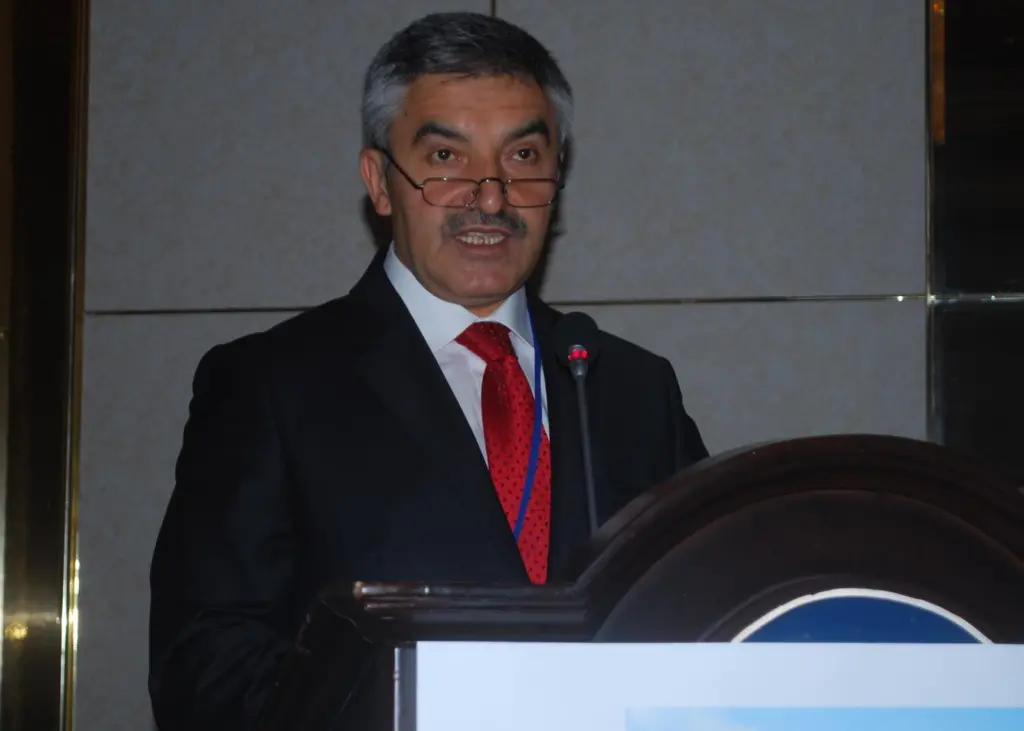
From the Conference, Menakhem Ben-Yami reports that recent developments have been one of the main subjects of the conference so far – namely, location, analysis and evaluating the past and present of offshore fish farms and forecasting their future. Moving out to the open oceanic waters represents another hot subject.
‘Offshore’ is a somewhat fuzzy expression and its meaning may vary according to local and national interpretations. The most logical criteria would be that offshore fish farms are located where the sea is deep and there’s a free flow of water through the cages’ netting. This means that fish-bio-products and remains of their fodder disperse widely, without creating polluted bottom areas, usually at a certain distance from the coastline, depending upon local conditions.
Conference chairman Neil Sims stressed these criteria, adding that if they are widely observed, in addition to benefits to the fish themselves, open-ocean mariculture may also become beneficial to the environment. Mr Sims is the co-founder and co-CEO, of Kampachi Farms, a Hawaii based firm, which is developing fish rearing in fully sealed, free-floating fish cages in the open ocean.
While I’m reporting this, the conference is continuing. The issues raised so far are environmental sustainability and water quality; improvements in cage technology, both structural and operational; enlarging cage size; and, of course, commercial feasibility and availability of investment capital, and the numerous constraints and obstacles – some due to regulation and environmentalist groups lobbying and resistance, not always objectively justified.
The December 2012/January 2013 issue of World Fishing & Aquaculture will contain more extensive coverage of this important conference.
Related Articles
 FISHERIES
 FISHERIES
 WORLD FISHING EVENTS