



Scientists from the University of Washington have used fish DNA analysis from tank water to discern which species are more plentiful in an aquarium.
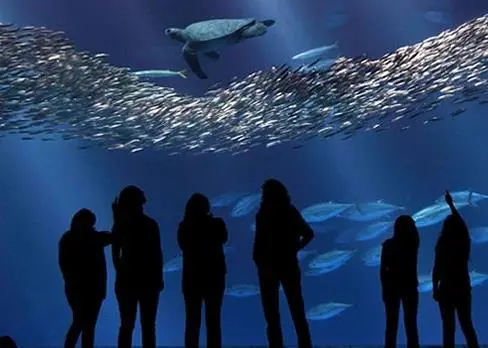
They used just a glass of water from Monterey Bay Aquarium’s 1.2 million gallon open sea tank to identify the Pacific bluefin tuna, dolphin and most of the other 13,000 fish swimming there.
Ryan Kelly, University of Washington assistant professor of marine and environmental affairs, and lead author of a PLOS ONE paper on the research said it is the next step towards in using modern DNA identification techniques to census fish in the open ocean.
“It might be unpleasant to think about when going for a swim in the ocean, but the water is a soup of cells shed by what lives there. Fish shed cells from their skin, damaged tissues and as body wastes."
“Clearly this is an effective tool in the wild when you know what you’re looking for,” he said.
Professor Kelly and his co-authors, Jesse Port, Kevan Yamahara and Larry Crowder with Stanford University’s Center for Ocean Solutions, were able to conduct the research with funding from the David and Lucile Packard Foundation.
The research turned out to be so finely tuned that it also picked up DNA from long-dead menhaden from the Atlantic Ocean, fish that had been processed, transported and added to the tank as food.
This type of DNA analysis could help scientists charged with monitoring and managing aquatic habitats to reveal the arrival of invasive species before they become a major problem, or provide ways to look at food webs and other basic ecosystem functions.
Additional field testing is planned for San Francisco Bay.


