






Hopes of in-feed vaccine for sea lice
A team of Scottish and international aquaculture experts is developing an oral vaccine for sea lice, helping the industry to tackle one of the biggest threats to the health and welfare of farmed Atlantic salmon.
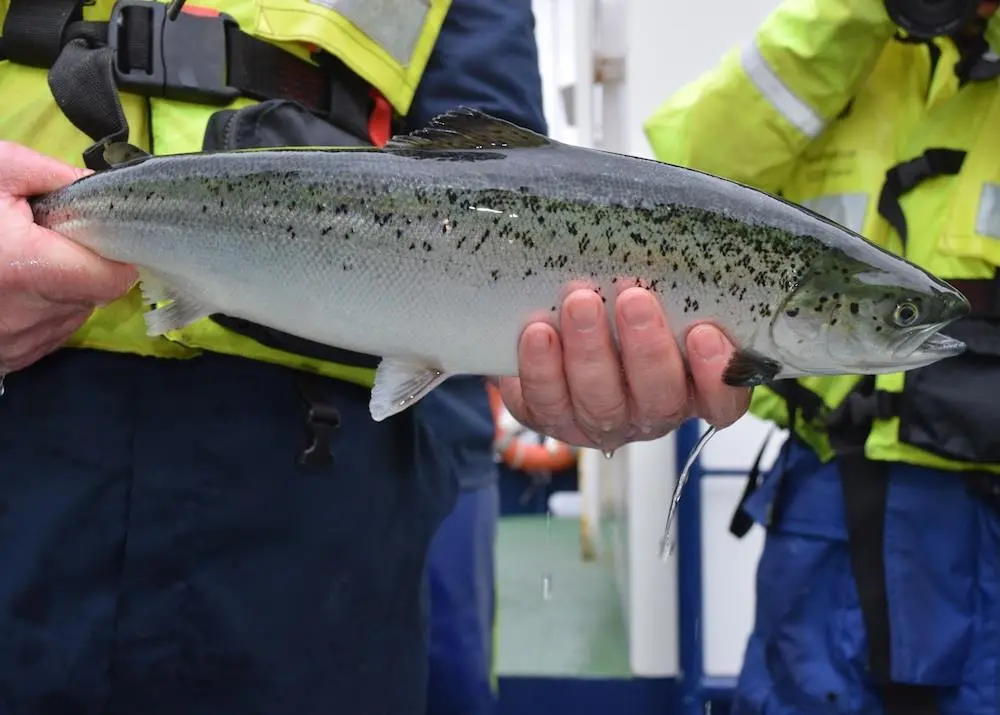
The project, supported with funding provided through the Scottish Aquaculture Innovation Centre, aims to develop a new vaccine which can be delivered through fish feed.
Dr Sean Monaghan from the Institute of Aquaculture at the University of Stirling which is partnering the project, said that headway was being made towards finding an effective method for vaccination. “There is strong evidence to support the use of an oral vaccination approach, using nanoparticles in feed for vaccine delivery in order to trigger the desired antibody response,” he said.
Project partners include the University of Stirling‘s Institute of Aquaculture as well as industry specialists from BioMar, nanoparticle company SiSaf, vaccinology specialists Tethys Aquaculture and the Moredun Research Institute and fish immunologists from the University of Maine in the US.
Sea lice are currently managed using a range of measures including medicines, parasite removal and optimised farm management practices. So far success in finding a vaccine has been limited and the sea lice are becoming increasingly resistant to treatment.
The new approach will deliver the vaccine via specially developed feeds that aim to improve resistance to parasites using nanoparticle technology. Bio-engineering tools will also target the sea lice by triggering immune responses in the skin of fish, rather than delivering it through the bloodstream alone.
Related Articles
 AQUACULTURE
 AQUACULTURE
 FISHERIES