

First feed mills become ASC-certified
The first two companies to achieve certification against the requirements outlined in the Aquaculture Stewardship Council (ASC) Feed Standard have been confirmed as Mexican-based feed producer Vimifos and the Chilean branch of global operation Skretting.
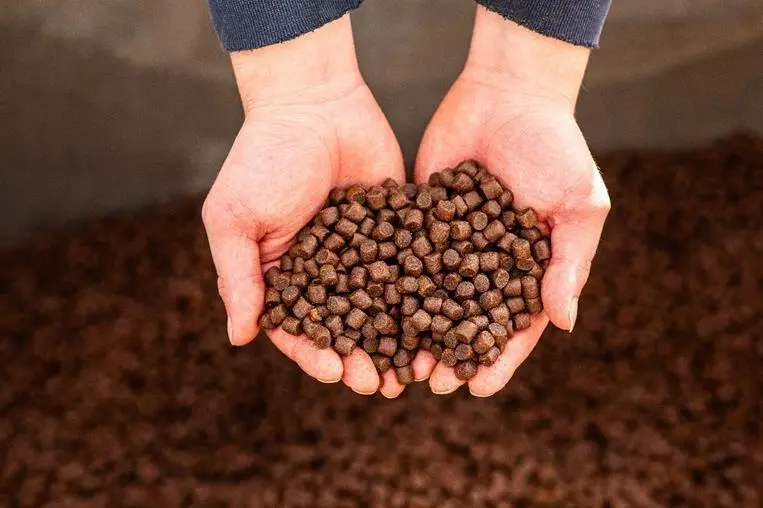
According to ASC, this marks a significant milestone in its mission to transform seafood farming towards more environmental and social responsibility. It said that both Vimifos and Skretting undertook a rigorous audit process over several months for their sites. SCS was the independent certifier for Vimifos, whilst Control Union carried out the audit of Skretting Chile.
Vimifos was the first to achieve multi-site certification for three of its feed mills in Mexico that produce feed for shrimp, tilapia, trout and marine fish. Skretting has also achieved multi-site certification for two feed mills in Chile that produce feed for salmon.
“This is not only a milestone for Vimifos, Skretting and ASC, but pivotal for the whole industry to strengthen the credibility of fed seafood farming now and into the future. Our Feed Standard sets a higher benchmark for feed production. We applaud Vimifos and Skretting for their commitment to venturing into new territory with us – they are the trailblazers and their certification paves the way for the rest of the industry,” ASC CEO Chris Ninnes said.
“There is no responsible seafood farming without responsible feed. Companies involved in its production face increased reporting demands to assess the ‘upstream’ environmental and social impacts from feed-ingredient supply chains. By setting strict requirements for the sourcing of all major feed ingredients, ASC addresses environmental and social risks down to raw material level. Ensuring responsibly sourced feed supports responsible seafood farming and thereby responsible sourcing of seafood products on shelves. With these first certifications, the journey towards more responsibility coming from greater transparency and traceability in feed production has gathered significant momentum.”
Skretting CEO Therese Log Bergjord said the company is extremely proud to be the first salmon feed company in the world to achieve ASC Feed Standard certification.
“This is a highly demanding standard that moves in the right direction towards ensuring a positive impact across our supply chain, but we know that the journey doesn’t end here. We’re already implementing the learnings from Chile to accelerate the certification process across the rest of our operations and, with that, ensure that our customers can keep relying on Skretting to maintain their own certifications for fish and shrimp,” she said.
Two further feed companies are currently in audit for four sites in Thailand and Ecuador.
ASC explained that its feed standard is the first to take into consideration the impacts created across all key ingredient groups and throughout the ingredient supply chain, in alignment with upcoming European Union regulations. This includes all major agriculture crops such as wheat, corn and canola, in addition to soy and palm oil, and marine ingredients.
The standard, which was launched on 15 June 2021 and became effective on 14 January 2023, requires feed mills to meet strict environmental and social requirements; to source ingredients from socially responsible suppliers; and to use environmentally responsible raw materials.
Related Articles
 AQUACULTURE
 FISHERIES
 AQUACULTURE