




EU technology project targets efficiency and sustainability
A new GB£5m EU-funded project aims to develop technology to help make the industry more environmentally friendly, efficient, sustainable and profitable.
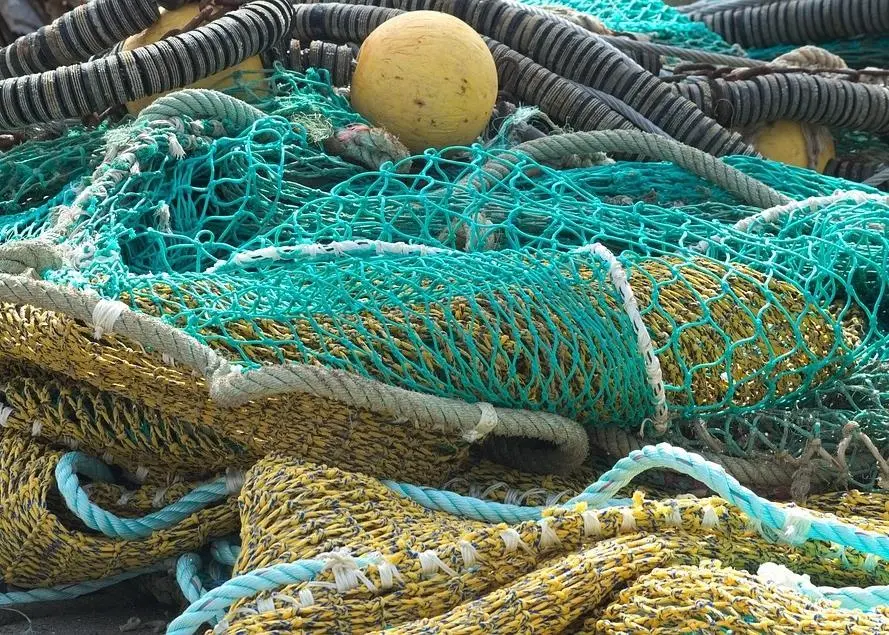
The SMARTFISH-H2020 project aims to develop, test and roll out a suite of high-tech systems that optimise efficiency and reduce the ecological impact of fishing on the marine environment. The pioneering technology will also improve automatic data collection and provide evidence of fishing regulation compliance.
Project leader Dr Michal Mackiewicz, from University of East Anglia’s (UEA) School of Computing Sciences, said: “We will develop advanced image processing and machine learning software which can be used to analyse fish catch images from on-board CCTV and handheld devices such as smartphones.
“It will help those in the fishing industry make informed decisions and lead to better economic efficiency, as well as reduce unintended fish mortality. It will also help provide new data about fish stocks and automatically collect catch data to ensure compliance with fisheries management regulations.”
Horizon-backed
It is hoped that the developments will assist commercial fishers throughout Europe in making informed decisions during pre-catch, catch, and post-catch phases of the fishing process.
SMARTFISH-H2020, which is co-ordinated by SINTEF Ocean in Norway, will receive funding from the EU’s Horizon 2020 research and innovation programme over four years.
The project draws on research from universities in Norway, Denmark, Turkey, France and Spain, along with research institutes and industry partners across Europe. Other UK partners include Marine Scotland, The Centre for Environment, Fisheries and Aquaculture Science (CEFAS), and Safetynet Technologies Limited.
Related Articles
 FISHERIES
 FISHERIES
 WORLD FISHING EVENTS