






Enhancing tuna management and conservation
An FAO-coordinated project to improve the health and sustainability of tuna fisheries worldwide has been approved.
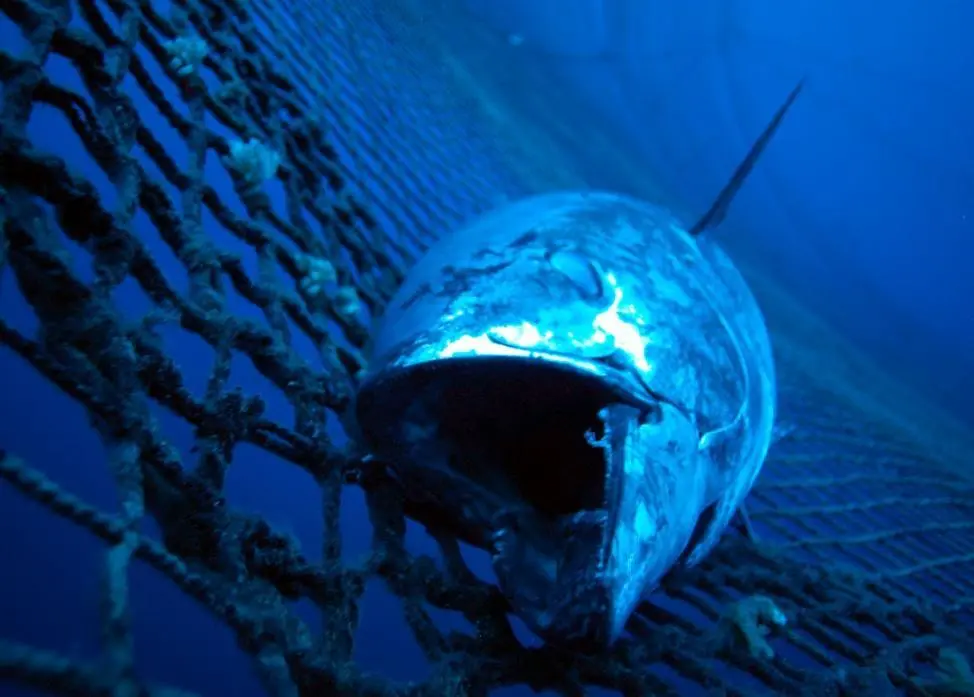
The Global Environment Facility (GEF) has approved funding for the implementation phase of the multi-partner project which aims to improve management of tuna fisheries on the high seas and conserve biodiversity of related marine ecosystems and species. It will reduce illegal catches of the far-ranging, highly-prized and globally consumed fish.
The global tuna project on fisheries management and biodiversity conservation will run from 2013 to 2018 and builds on and complements the work of the five tuna Regional Fisheries Management Organizations. The project will bring together a wide group of stakeholders to work on three key fronts:
- Fostering more sustainable and efficient fisheries management and wider uptake of best fishing practices
- Reducing illegal, unreported and unregulated (IUU) fishing through strengthened monitoring, control and surveillance
- Reducing ecosystem impacts from fishing, including unintended and excessive bycatch of non-targeted marine life
“Today’s decision sets the stage for action on a global scale that will address both an economic and environmental threat to one of the world’s most important commercial fish species,” CEO of the GEF, Naoko Ishii, said.
GEF has committed $50 million in support of the program, leveraging an additional $270 million of co-financing.
Related Articles
 FISHERIES
 FISHERIES
 WORLD FISHING EVENTS