



Economic report highlights EU fishing fleet’s profitability
The 2018 Annual Economic Report on the EU Fishing Fleet shows record-peak levels in economic performance of the EU fishing fleet in 2016 and closely links this achievement to the use of sustainable fishing methods.
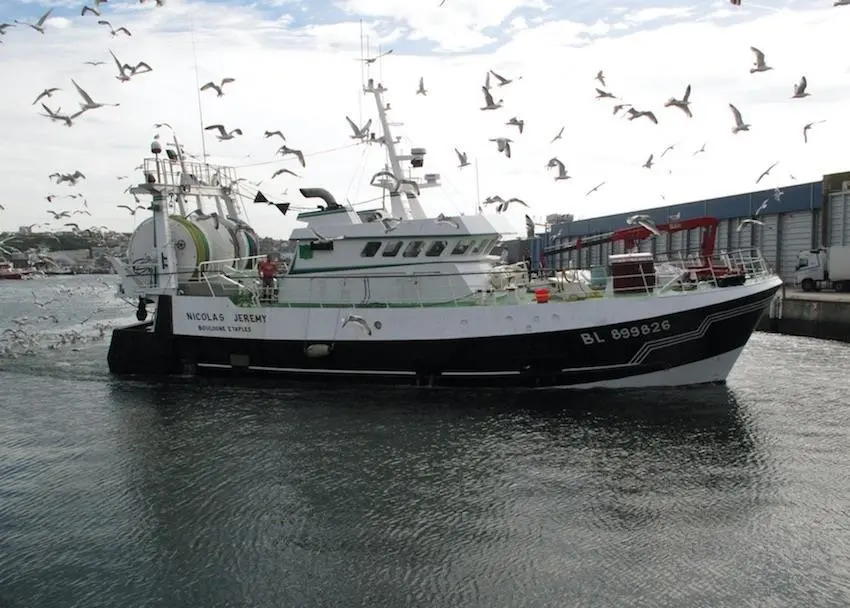
While the EU fleet as a whole had been marginally profitable in 2009, the EU fleet returned record net profits of €1.3 billion in 2016, a 68% increase compared to 2015.
Continued improvements into 2016 were mainly a result of continued low fuel prices and higher average fish prices, translating into more value for lower landed quantities.
The positive economic development of the EU fishing fleet is also closely linked to the sustainable exploitation of fish stocks.
The report indicates that economic performance stagnates where fleets depend on stocks that are still overfished or overexploited. Fleets that fish sustainably have seen clear improvements in their profitability.
In 2016, the EU fleet’s gross added value, meaning the contribution of the fishing sector to the economy through wages and gross profit, amounted to €4.3 billion, a 15% increase compared to 2015. This indicates higher earnings for those working in fishing.
Since the large majority of vessels operate in a more efficient and environmentally friendly way, fuel consumption has decreased. In 2016, fuel costs were 12% of the total revenue, compared to 24% in 2008, largely reflecting the low fuel prices seen over most of the period analysed.
The 2018 Annual Economic Report on the EU Fishing Fleet (AER) is the product of combined work by independent economic experts from the Scientific, Technical and Economic Committee of Fisheries (STECF) and the Commission (JRC and Directorate-General for Maritime Affairs and Fisheries), based on official data provided by national authorities under the EU Data Collection Framework (DCF).
The AER has become the most comprehensive source of economic data and analysis on the performance of the EU fishing fleets. It offers, for example, reference data for impact assessments of management plans, for building indicators of overcapacity, to support the evaluation of conservation measures, as context indicators in the European Maritime and Fisheries Fund, and to provide evidence when assessing the impacts of structural policies.
Related Articles
 FISHERIES
 FISHERIES
 WORLD FISHING EVENTS