




EC yellow card lifted for Tuvalu
The European Commission (EC) has lifted its illegal fishing-focused ‘yellow card’ for South Pacific island Tuvalu in recognition of its work to address the shortcomings in its fisheries governance.
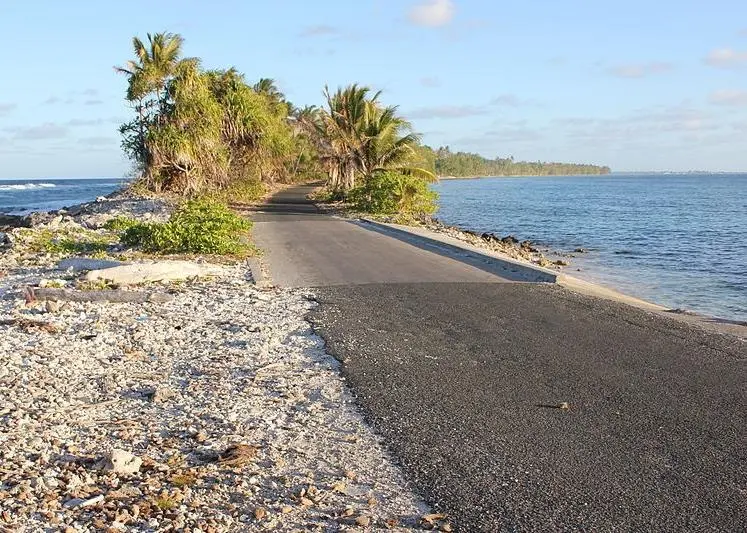
Yellow cards are issued by the EC as an official warning to trading partners in the fight against illegal, unreported and unregulated (IUU) fishing. Tuvalu was warned of the risk of being considered as a ‘non-cooperating country’ in December 2014. Fisheries products caught by vessels from these countries cannot be imported into the EU, but the EC said subsequent dialogue after the yellow card was issued has enabled it to help Tuvalu combat illegal fishing.
European Commissioner for environment, maritime affairs and fisheries Karmenu Vella: “The economy of Tuvalu, a small island developing state, relies heavily on fishing. It is therefore imperative that their resources are managed in a way that ensures the prosperity and future for its fishing community. Therefore, I want to congratulate Tuvalu for the progress made and I am pleased that we have now become real partners in the fight against illegal fishing (IUU).”
Measurable reform
Tuvalu has amended its fisheries legal framework in line with international law of the sea instruments, reinforcing compliance with flag, port, coastal and market state obligations. It has also included clear definitions and a deterrent regime of sanctions.
Furthermore, Tuvalu has updated its system for management of fishing resources following the best scientific advice and precautionary approach practices and has complied with the Western and Central Pacific Fisheries Commission conservation and management measures.
Finally, it has reinforced its monitoring, control and surveillance systems including the reinforcement of patrol capacity and inspections at port, strengthened staff capacity for control, inspection and observation, and accepted cooperation with countries whose vessels operate in Tuvalu’ waters by granting access to Vessels Day Scheme information.
Related Articles
 ICELANDIC FISHERIES EXHIBITION
 FISHERIES
 FISHERIES