




Early warning system detects toxic algae
A Scottish consortium is taking a significant step towards the development of an early-warning detection system for potentially dangerous plankton and algae which could help the aquaculture industry tackle one of the biggest challenges to fish health and wellbeing.
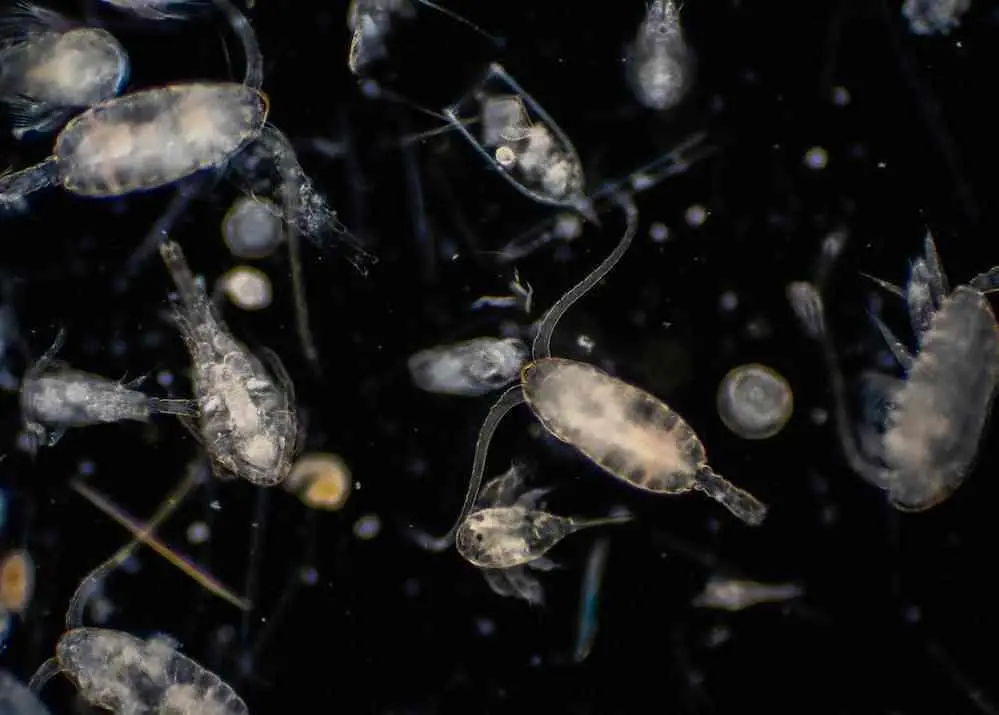
The group – comprising marine technology provider OTAQ, the Iain Fraser Cytometry Centre (IFCC) at the University of Aberdeen, the Scottish Aquaculture Innovation Centre (SAIC), and CENSIS (the Innovation Centre for sensor and imaging systems and Internet of Things technologies) – is creating a low-cost sensor system that can automatically detect potentially toxic algae and plankton build-up using imaging analysis.
Chris Hyde, chief commercial officer at OTAQ, said that the build-up was a significant problem for the aquaculture industry. “Early detection of harmful species of plankton and algae has been a sticking point and we’re looking to overcome that problem with our new sensing technology, which will fundamentally automate the process and provide accurate information about plankton numbers 24 hours a day.”
Current methods are laborious, relying on readings manually taken once or twice per day and the results are also open to individual interpretation and error. Using microscope camera technology and a unique water sampling tool, OTAQ’s new system will use artificial intelligence deep learning to process images and provide a near real-time reading for fish farmers. The producers can then take preventative measures, such as the activation of a ‘bubble curtain’ or barrier to protect a stretch of water or stop feeding salmon when necessary.
Related Articles
 SEAFOOD
 AQUACULTURE
 SEAFOOD