




Discard meeting – WWF comment
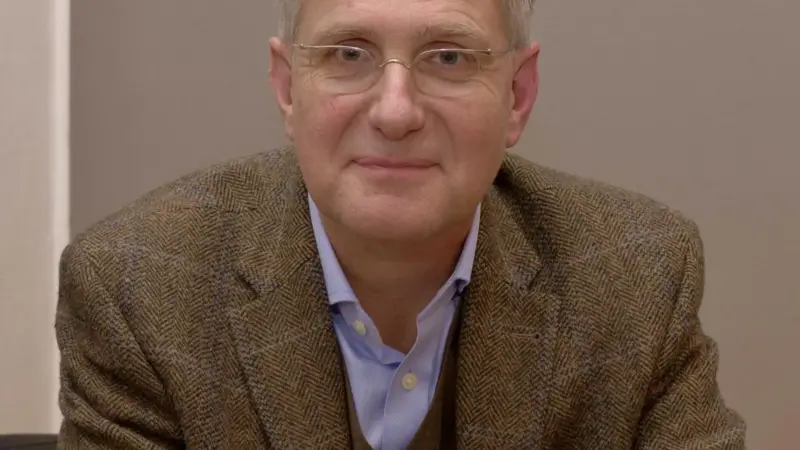
Commenting on plans to ban fishing discards, which were set out at an EU meeting in Brussels this week, WWF-UK’s Fisheries Policy Officer, Giles Bartlett, said:
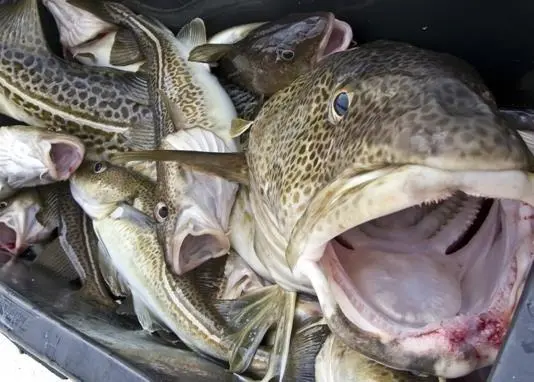
“We are glad that the wasteful and environmentally damaging issue of discards has been discussed by European ministers.
“However, solving the problem of discards must go hand-in-hand with steps to ensure greater selectivity of the fish that are caught. To help protect vulnerable stocks and the wider marine environment we must ensure non-target or non-commercial catches are avoided in the first place.
“In reforming the CFP we must allow for local solutions against centrally set objectives, such as eliminating discards. Ending over fishing and discards is feasible provided that fisheries ministers commit to an ambitious reform of the CFP, favouring long-term health of our fish stocks and fishing industry.”
WWF believes that the key to effectively addressing the problem of discards is the establishment of a relatively simple, but strong, legal framework, which should be based on the following elements:
- The new CFP Basic Regulation should set central and clear principles and objectives, including the reduction of discards to minimal levels.
- Mandatory Long Term Management Plans (LTMPs) should be established for all EU fisheries, based on catch and not landing limits, which can encourage discarding. The plans should include discard reduction strategies with clear targets and time-frames.
- Within the framework of LTMPs all relevant stakeholders should be able to adopt solution-oriented systems to implement policies and measures to avoid non-targeted or non-commercial catches. LTMPs must allow for innovation at the local level to develop the right management “toolkit” for each fishery so as to achieve the centrally set goals.
Related Articles
 FISHERIES
 FISHERIES
 WORLD FISHING EVENTS