


Development determines C02 impact on cod
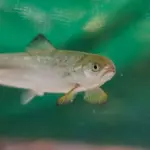
Scientists have released results of a study showing that larval Pacific cod response to elevated carbon dioxide (CO2) levels and ocean acidification varies depending on its stage of development.
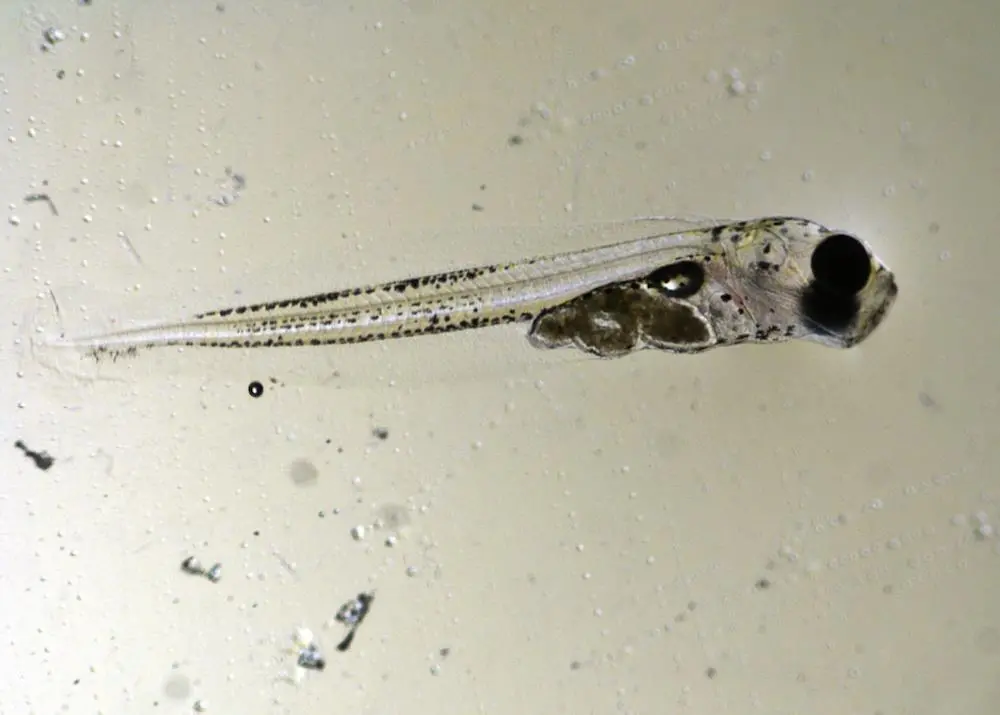
In laboratory experiments, NOAA Fisheries scientists and partners specifically examined larval cod behaviour, growth, and lipid composition (the fats needed for storing energy and building muscles). The study was carried out as most marine fish mortality occurs at the larval stage of development and the high-latitude oceans where Pacific cod and other important commercial fisheries occur are expected to be among the most vulnerable to ocean acidification.
“Changing environmental conditions can impact species in multiple ways and not all life stages may respond in the same way,” said Tom Hurst, NOAA Fisheries scientist and lead author of ‘Elevated CO2 alters behavior, growth, and lipid composition of Pacific cod larvae’.
“We wanted to explore this because it has implications for the sustainability of Pacific cod and other important fish stocks in Alaska,” he said.
Physiology important
The behavioural study showed that when exposed to elevated levels of CO2 four- to five-week-old cod larvae moved more quickly to areas of higher light levels than those raised at CO2 levels currently present in Alaska seawater.
In the second study, scientists looked at larval fish growth rates when exposed to elevated CO2 and fed two different diets, one of which was more lipid-rich (nutritious). Scientists measured fish at two weeks and five weeks old. Regardless of the diet, two-week-old larvae reared at elevated CO2 levels were smaller than larvae reared at current CO2 levels. By five weeks of age, the CO2-exposed fish seemed to have recovered from their slow start.
According to Hurst, the observed differences in growth rates at two weeks vs. five weeks are most likely due to the changing physiology of larvae as they develop. However, it is possible that by the time they reach five weeks old cod larvae can acclimate to the effects of elevated CO2. The scientists also suggest that the fast growth of older larvae may be facilitated by behaviour changes that stimulate more aggressive feeding.
Hurst plans to work with partners at Oregon State University to develop computer models to better predict how ocean acidification may affect Pacific cod and pollock larval survival, recruitment (growth to maturity) and adult fish populations in the Bering Sea over different time scales – 20 to 100 years from now.
Related Articles
 FISHERIES
 FISHERIES
 WORLD FISHING EVENTS