





Deep-sea stocks pushed to the limit
Fishing opportunities for deep-sea species for 2015 and 2016 have been reduced by the Council of Fisheries Ministers of the European Union, but for 63% of stocks, catch limits have been set higher than scientifically advised.
Conservation group, Oceana, says it’s “deeply disappointed” with the decision, which it says puts these vulnerable species at serious risk.
“The Council’s decision to exceed scientifically advised catch limits for twelve out of nineteen deep-sea stocks is not only far from being responsible, but also runs directly counter to the principles of the new Common Fisheries Policy,” said Lasse Gustavsson, executive director, Oceana Europe. “Fisheries ministers blatantly ignore that their commitment to responsible exploitation also applies to the deep sea.”
In addition, Oceana says the Council failed to heed several key recommendations from scientists: fisheries closures for two stocks of roundnose grenadier and red seabream, catch reductions of alfonsinos and black scabbardfish and only moderate increases in catches of greater forkbeard.
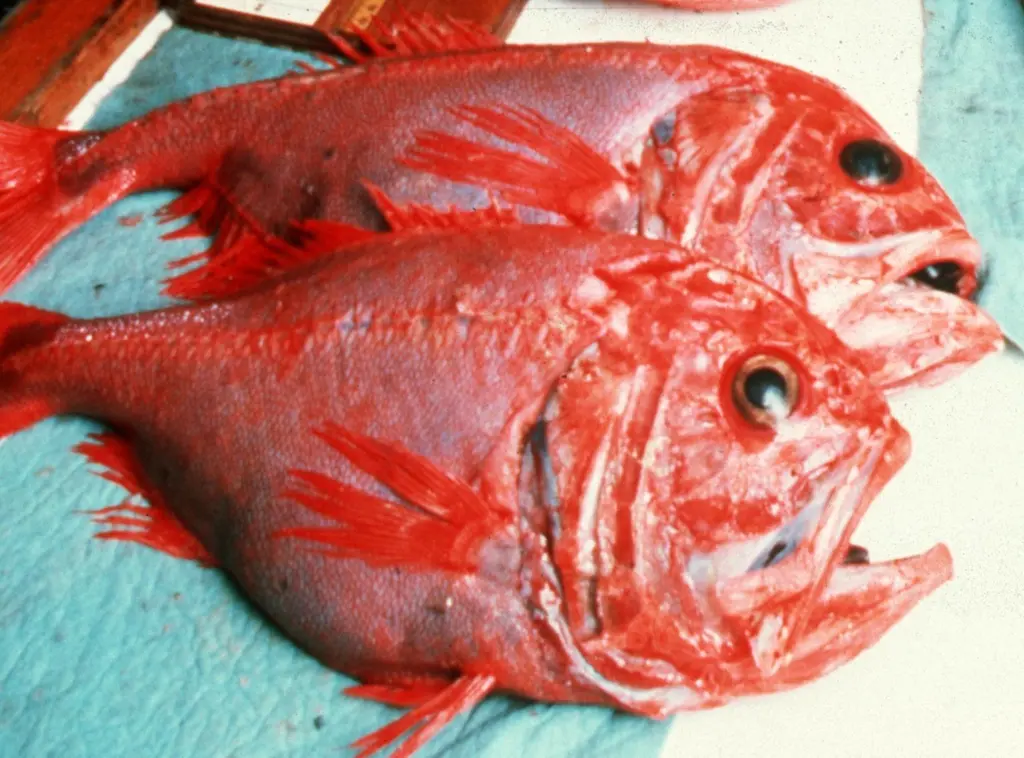
Despite this, the Council did agree to maintain the prohibition on retention of depleted orange roughy and deep-sea sharks. An additional deep-sea species, the roughhead grenadier, will now be managed through catch limits, although Oceana says it regrets these limits have been set without any scientific basis.
Commenting on the Council’s decision,Uta Bellion, director, The Pew Charitable Trusts’ European marine programme, added: “The ministers’ decision demonstrates a disregard for both the marine environment and those fishermen who rely upon it for their livelihoods. We urge ministers to make sustainable choices for both when deciding on fishing limits for the majority of EU stocks at their next meeting in December.”
Related Articles
 FISHERIES
 FISHERIES
 WORLD FISHING EVENTS