


Croatian fisheries chief: integration is best for aquaculture
Tourism presents a significant obstacle to the development of global aquaculture, but both these vital industries need to follow Croatia’s lead and find greater harmony, according to one of the country’s fisheries leaders.
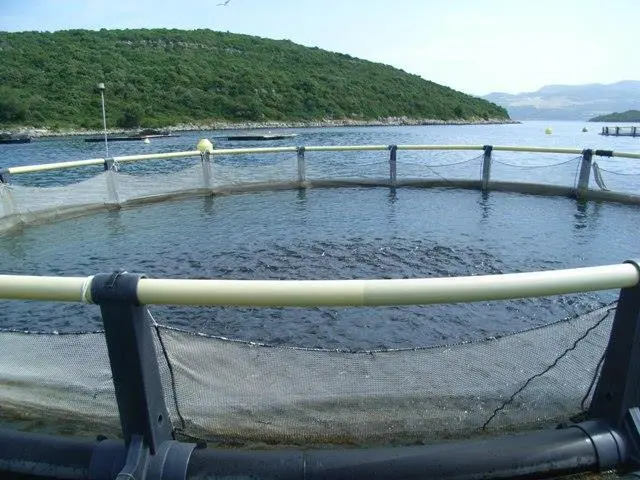
Neda Skakelja, director of fisheries with the Croatian Ministry of Agriculture, Fisheries and Rural Development, told delegates at the Offshore Mariculture 2010 conference in Dubrovnik, Croatia, that many of the country’s fish farmers have benefitted from creating ties with the tourism industry and other water-dependant sectors.
“We have been blessed with our geography – Croatia has a lot of islands and coastlines for marine aquaculture,” said Skakelja. “But like many other countries our fish farmers compete with tourism, which is one of the most important economic contributors in the world today.
“When you have more than one user in a single space this causes competition, which often leads to conflict. We have found these conflicts can be sorted out either by integration or separation. And we feel integration is the better way forward.”
Skakelja explained that Croatia has a lot of experience in coastal zone management and many of its regions had successfully implemented such plans. They have done so by using a lot of background information, be this from science, be it from industry, or from experience, she said, adding that in most cases semi-offshore technology is deployed.
“I think we should continue in the same manner that we have in the past. But there is always room for development and improvement.
“We have placed particular emphasis on the ecological sustainability of the industry but we have also tried to bring together different interests and different requests.”
According to Skakelja, Croatia has enjoyed success with its seabass and seabream production and has seen some good results from its bluefin tuna ranching. It has also been successful with shellfish farming, particularly mussel and oyster production.
The country’s total production is about 12,000 tonnes per year with a value of €120 million ($146.8 million). The inshore capacity is about 30,000 tonnes per year, she revealed.
Related Articles
 FISHERIES
 FISHERIES
 FISHERIES