

Crayfish and mixed grill with carp bycatch
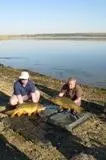
From the air, Extremadura looked arid and brown, yet miles of shimmering lakes and reservoirs reflected back blue. Tourists may be few in this little know part of southwestern Spain, but likely to be discerning, ‘high value’ local spenders. They include hunters prepared to sit out (or lie back) for days and nights waiting to land 30kg “specimen” (record size) carp and other fish. It is one of Spain’s major fruit and veg areas because the 1950s “Plan Badajoz” created vast lakes and hydropower dams with reservoirs.
Fish stocking here has produced a naturally growing resource of fish such as carp, barbel, black bass, catfish and crayfish. This picture of uncaged fish is repeated across millions of hectares of such inland waters in Europe, from Albania’s lakes to hydro dams like that at Altafjord in the high Arctic.
The business question is how to generate income from that resource. The project here is an alliance, led by young, innovative staff such as Yadira Chaparro in charge of development at the Extremadura Tourism Department. She works with inland fishing professionals such as Brits Craig Reid and his better half Sarah, who moved here to set up Extrema Fishing Spain. They 4x4d Yadira’s group of press and tour operator guests to lake shorelines before dawn where fishing equipment and supplies were waiting. Some of Craig’s repeat customers (a key element in this business) had sat (or slept) all night already, waiting for a ping from “digital” lines (no bells here!). We saw these ‘hunters’ switched somnolently from sleeping bags to simple breakfast, then to loungers in shaded tents, fighting dehydration from the blistering sun with six-packs from melting ice in the chillboxes. This relaxed game waiting for a run on what could be a record weight, was clearly key.
The inland professionals’ current clients are clearly single-minded fishermen ready to travel the world in their hunt. So there is a clash over whether cultural and gastronomic tourism should interfere. The ‘specimen’ fishing correspondents with us made it clear the tourist board’s efforts to bring in some cultural and gastronomic diversions were frustrating the anglers’ basic desire to sit at the water’s edge for 24 hours a day waiting for that ping on €5,000 worth of gear.
To the tour operators and WF this seemed to be missing a good business opportunity. Yadira believes you need several strategies in a “100 per cent sustainable” way appropriate to these kinds of “natural, open-space locations”. Craig backs sustainability, adamant that catch is returned, not eaten, so his ‘specimens’ get even bigger. In a mutually profitable alliance, locals set pots across the lakes to catch highly sellable crayfish which are predators on the fry, his specimens in waiting.
However, when WF suggested the fish-culture-gastro package could be ideal to attract whole families and pensioners who had not touched a rod since their youth, he was doubtful but eventually said he would think about it. Yadira wants fishing combined with “good facilities and high-quality public services” – restaurants, shops to buy local delicacies and supplies, public toilets, etc. She believes this would increase the client base of the six fish-tour companies (Brits, Spaniards and a Belgian). Another British and an Irish company are thinking of coming in. Clients are mainly Spanish, English, French and Dutch.
Inland or on the coast, the strategy is to cater to customers with a wider range of interests as well as teaching fishing beginners. Extremadura also offers birdwatching around the vast lakes – boat excursions to see kites swooping for fish, eagles and buzzards, and tens of thousands of storks.
The aficionado specimen hunters and those who write about them were categorical that those who fish in lakes will never fish the sea and vice versa.
Yadira subscribes to integrated ‘cluster’ diversification, often reported in WF. She reacted positively to WF’s suggestion that inland and coastal fishing professionals (e.g. boat charterers for sea fishing groups) should boost each others’ business by recommending each other to their regular customers. They should offer packages which include their partners and children.
Doubting trawler skippers should smell the air for good money. WF found no better way to do this than check out some of many thick weekly and monthly magazines for amateur sea and inland anglers. This is very big business. They have staggeringly large volumes of advertising for high-price gear, pages of ads of new and used 12ft to 24ft boats for sale (up to €60,000) and hire, expensive electronic charts and fish locators.
The bottom line is money. The inlanders in Spain, with low local costs may offer a winter discount rate of €350 per person for seven nights self-catering, local transport and gear (flights paid by the customer). But packages, offered from India to South Africa, Siberia to Mauritius can cost many thousands. Some Irish coastal boat charterers take €500 a day. Commission can be had from introductions for sale of gear and from hotels and restaurants (many day sea boats take groups of 12). Coastal professionals, particularly in exotic developing country destinations, should check out if they can capitalise on their expert local knowledge for a share of the fish pie. Europeans should seek out funding support from tourist bodies and EU diversification pots.
Even if the diehards say ‘never the twain shall meet’, perhaps coastal and inland professionals can learn some new tricks from each other – money talks.