





Could seaweed be the future of biofuel?
Israeli scientists are currently searching for a renewable energy source that doesn’t endanger natural habitats, biodiversity, or human food sources.
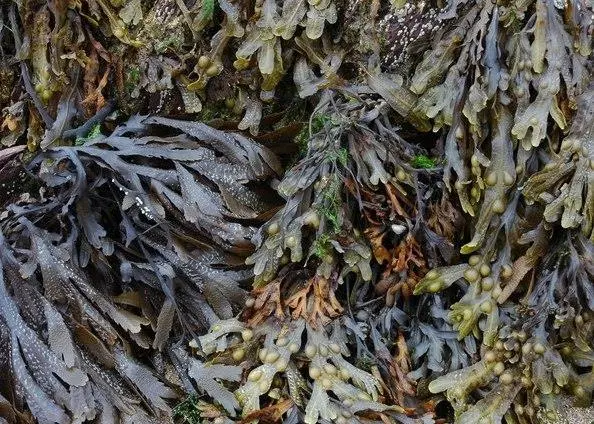
Professor Avigdor Abelson of Tel Aviv University’s Department of Zoology and the new Renewable Energy Center says that common seaweed can be grown more quickly than land-based crops and harvested as fuel without sacrificing usable land. He believes it is a promising source of bioethanol that has remained virtually unexplored until now.
The researchers are developing methods for growing and harvesting seaweed as a source of renewable energy. Not only can the macroalgae be grown unobtrusively along coastlines, Professor Abelson says, they can also clear the water of excessive nutrients — caused by human waste or aquaculture — which disturb the marine environment.
The researchers believe that producing biofuel from seaweed-based sources could solve problems that already exist within the marine environment. Many coastal regions have suffered from pollution caused by human waste and fish farming, which leads to excessive amounts of nutrients and detrimental algae, ultimately harming endangered coral reefs.
Encouraging the growth of seaweed for conversion into biofuel could solve these environmental problems. The system that the researchers are developing, called Combined Aquaculture Multi-Use Systems (CAMUS), takes into account the realities of the marine environment and human activity in it.
Man-made fish feeders, which produce pollution in the form of excess nutrients, would become a positive link in this chain. Used alongside an increased population of filter feeders such as oysters, which suck in extra particles and convert them food that the microalgae can consume, this ‘pollution’ could be used to sustain a much greater yield of seaweed, which is needed for seaweed to become a sustainable source of fuel.
“By employing multiple species, CAMUS can turn waste into productive resources such as biofuel, at the same time reducing pollution’s impact on the local ecosystem,” Professor Abelson says.
The researchers are now working to increase the carbohydrate and sugar contents of the seaweed for efficient fermentation into bioethanol, and they believe that macroalgae will be a major source for biofuel in the future. The CAMUS system could turn seaweed into a sustainable bioethanol source that is productive, efficient, and cost-effective.
This story is reprinted from materials provided by American Friends of Tel Aviv University.
Related Articles
 FISHERIES
 FISHERIES
 WORLD FISHING EVENTS