




Changes could reduce fishing injuries
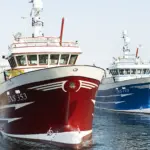
New research from Oregon State University shows that handling frozen fish caused nearly half of all injuries aboard commercial freezer-trawlers and about a quarter of the injuries on freezer-longliner vessels operating off the coast of Alaska.
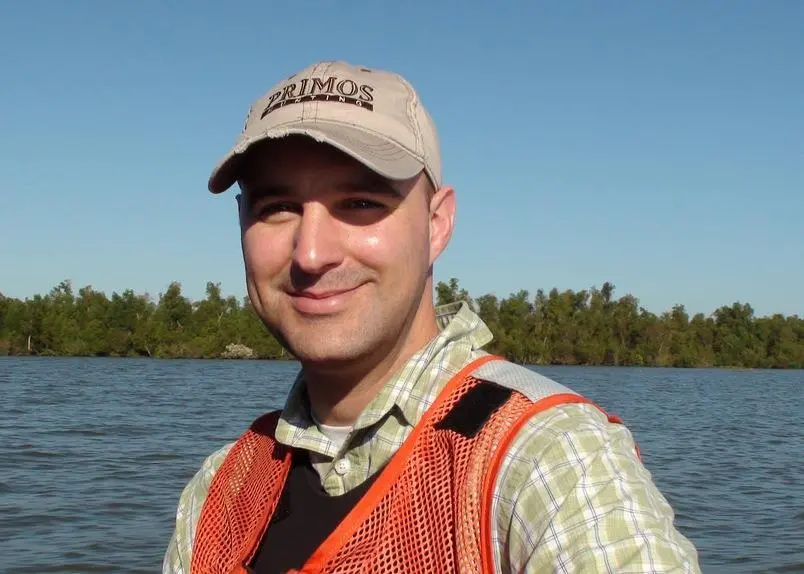
Many of those injuries and others aboard the two types of vessels could be prevented with the right interventions, and the research methods used in the study could help identify and reduce injuries and fatalities in other types of commercial fishing, said researcher Devin Lucas.
“We’ve drilled down to such a detailed level in the injury data that we can actually address specific hazards and develop prevention strategies,” said Lucas from the National Institute for Occupational Safety and Health (NIOSH) in the Alaska Pacific office.
This study is the first scientific assessment of the risk of fishing on freezer-trawlers and freezer-longliners. In both types of vessels, the processing of fish is handled onboard. The vessels had reputations for being among the most dangerous in commercial fishing in part because of a few incidents that resulted in multiple fatalities.
However, an analysis of 12 years of injury data showed that fishing on the freezer vessels was less risky than many other types of commercial fishing, which is one of the most dangerous occupations in the United States, Lucas said. The rate of injury on freezer-trawlers was about the same as the national average for commercial fishing, while the rate aboard freezer-longliners was about half of the national average.
His review of injury data indicated that the majority of injuries in the freezer-trawler fleet occurred in the factories and freezer holds, while the most common injuries in the freezer-longliner fleet occurred on deck while working the fishing gear. Injuries from processing and handling fish were also common on the longliners, the research showed.
The researchers are hoping to build from this research and explore other fishing-related injuries and prevention strategies.
Related Articles
 FISHERIES
 FISHERIES
 WORLD FISHING EVENTS