

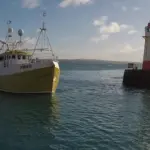




Cefas expertise recognised by FAO
UK expertise in shellfish safety has been recognised by the Food and Agriculture Organization of the United Nations (FAO) with the designation of the Centre for Environment, Fisheries and Aquaculture Science (Cefas) as a reference centre for bivalve mollusc sanitation.
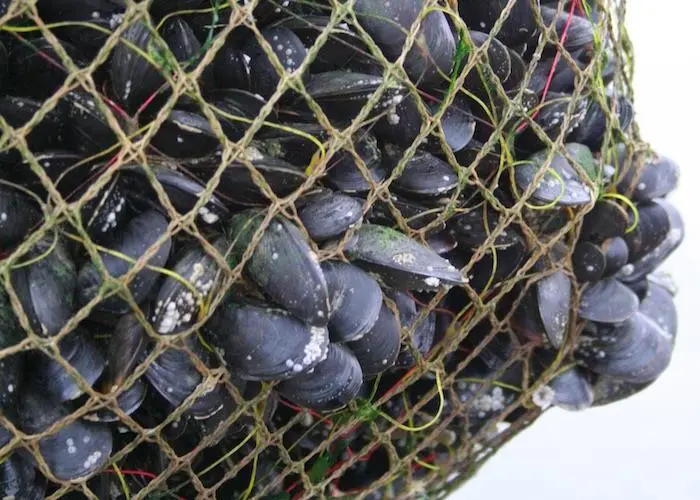
The international designation follows an evaluation of the capability and expertise at Cefas and is the first time the FAO has designated a reference centre in this sector.
The Food Standards Agency (FSA) works closely with Cefas on shellfish hygiene and supported their application to the FAO. The designation is recognition of the work Cefas carries out to protect consumers and support the shellfish industry.
Dr Rachel Hartnell, Cefas lead for the new centre, said that this was excellent news for Cefas scientists and for UK science in general. “Bivalve shellfish play a very important role in global food security but can sometimes pose risks to the consumer,” she said.
Ian Boyd, Defra’s chief scientific advisor, said: “High standards in animal, environmental and public health depend on continuous vigilance based on the world-leading science carried out by Defra. Formal recognition of reference laboratory status means Defra’s science is among the very best in the world”.
Steve Wearne, FSA director of science and vice-chair of the FAO’s Codex Alimentarius Commission, said: “Investing in this level of trusted science and research is essential to producing food we can trust. We’re committed to working with Cefas to ensure shellfish is safe and sustainable in the UK and globally.”
Related Articles
 FISHERIES
 FISHERIES
 WORLD FISHING EVENTS