


Bycatch donations aid food security
A new study of a bycatch donation programme in Alaska highlights its value in cutting waste, while addressing food security and social value.
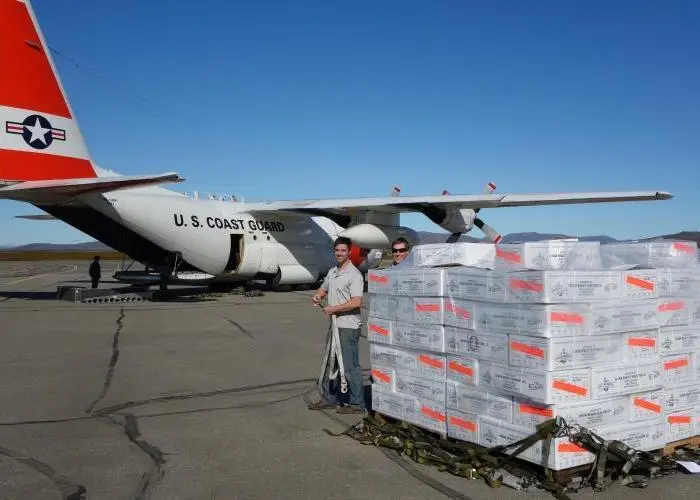
In 1996, NOAA Fisheries and the North Pacific Fishery Management Council established the ‘Prohibited Species Donation Program’ to make it possible for fishermen to donate some bycatch to hunger relief organisations. Jordan Watson, NOAA Fisheries biologist at the Alaska Fisheries Science Center and author of the study suggests that the programme could serve as a model to help mitigate waste around the world.
“Bycatch donation is an example of thinking outside the box. When we think about reducing waste, it is usually about avoiding bycatch. This program is a creative solution to maximize the value of the bycatch that can’t be avoided,” said Mr Watson.
The programme simultaneously reduces waste, provides high quality seafood protein to people in need, and avoids incentives to catch prohibited species.
It allows for trawl-caught halibut and salmon (that do not survive) to contribute to food security. Since the programme began, non-profit organisation SeaShare has been the sole applicant and distributor of prohibited species donations.
SeaShare has distributed more than 6m pounds of salmon and halibut bycatch through Feeding America, the nation’s largest network of foodbanks.
Today the NOAA Fisheries Alaska Regional Office continues to update and renew the permit allowing the distribution of prohibited species catch.