



The International Pole and Line Foundation (IPNLF) has appointed two new directors to key positions in the organisation.
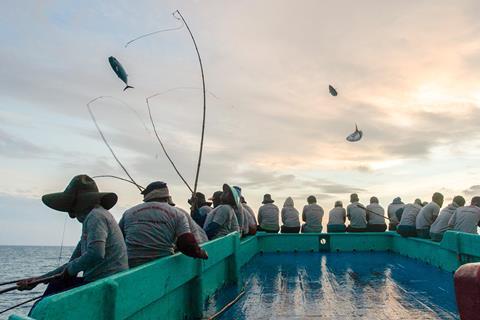
The International Pole and Line Foundation (IPNLF) has appointed two new directors to key positions in the organisation - Craig Turley as new fisheries director and Shannon Hardisty as new social responsibility director.
“Shannon and Craig’s strong knowledge of our organisation and experience is vital as we continue our ambitious plans to grow and use the influence of the market to develop and demonstrate the value of one-by-one caught tuna to consumers, policymakers and businesses throughout the supply chain,” said Martin Purves, managing director, IPNLF.
Strategic appointments
Taking over full responsibility for leading the fisheries team, Craig Turley has been appointed the new fisheries director.
Mr Turley, working at IPNLF since 2020 as its fisheries improvement consultant, has extensive experience implementing feet-on-the-ground projects and enjoys working closely with coastal fishing communities to help manage and drive community-based fisheries programmes.
More recently, he led some of IPNLF’s most innovative projects, such as demonstrating how handline quality improvements can open new market opportunities and exploring alternatives to livebait in pole-and-line fisheries.
Shannon Hardisty, who joined IPNLF in 2020 as a researcher for the social responsibility team, has been appointed as IPNLF’s social responsibility director.
Ms Hardisty will lead the charity’s work in understanding, enhancing and evidencing the social benefits of one-by-one tuna fisheries, provide social responsibility guidance to market actors, NGOs and advocacy groups and drive IPNLF’s agenda on social equity issues faced by small-scale fisheries.
Mr Purves said that these are exciting times for IPNLF which will soon be updating its next five-year strategy.
The strategy will focus more on climate change solutions, reducing carbon emissions, incorporating new technologies, innovation and addressing the high loss of biodiversity by incorporating ”nature-friendly commitments” into the commercial operations of small-scale fisheries.