


The Marine Stewardship Council has given North Sea cod certification as a sustainable fishery.
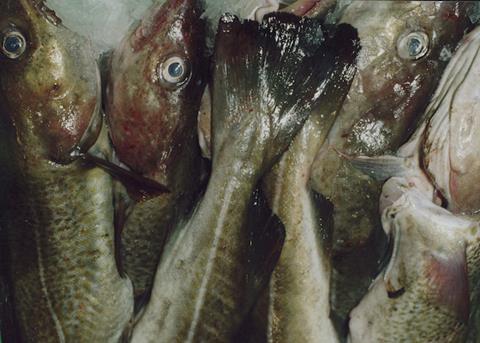
The news that North Sea cod, which has been firmly in the green spotlight for years as the poster child of what’s been going wrong with fisheries, has been awarded MSC certification as sustainable has not come as a surprise. Danish and other cod fisheries have already earned blue ticks and achieving certification for North Sea cod has been a definite aim for some time.
"Today's certification marks the end of the cod confusion,” said MSC programme director for the north-east Atlantic Toby Middleton.
"Thanks to a collaborative, cross-industry effort, one of our most iconic fish has been brought back from the brink. Modified fishing gear, catch controls, well-managed fishing practices - all these steps have come together to revive a species that was in severe decline."
UK industry body Seafish has welcomed the certification for North Sea cod, proving that stocks are at a sustainable level. The application for this certification was supported by funding from the Seafish Strategic Investment Programme (SIP), in partnership with major retailers, seafood processors namely Icelandic Seachill and Youngs, the National Federation of Fishermen’s Organisations (NFFO) and the Scottish Fishermen’s Sustainability Accreditation Group (SFSAG).
“This is a massive development for the catching sector and is a testament to the power of collective action,” said SFSAG chairman Mike Park. “The years of commitment to rebuilding North Sea cod has shown that fishermen are responsible and can be trusted to deliver stable and sustainable stocks. The consumer can now eat home-caught cod with a clear conscience.”
A note of caution came from WWF, with head of UK marine policy Lyndsey Dodds commenting that the recovery of cod in the North Sea reflects what can be achieved when the industry works with fisheries managers, scientists and the wider industry to recover fish stocks.
“However, the amount of North Sea cod at breeding age is well below late 1960s levels and recovery remains fragile,” she warned.
“If we’re to get North Sea cod back on British plates for good, it’s vital that we don’t lose focus on sustainably managing fish stocks and ensuring the protection of the marine wildlife and habitats as the UK develops its post-Brexit fisheries policy."