



Big plans for Oman’s fisheries sector
The Sultanate of Oman is trying to diversify its economy beyond oil and, as part of that initiative, is working to overhaul its fisheries sector.
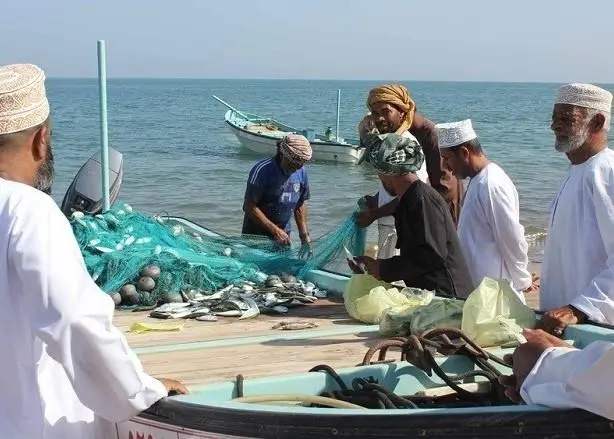
The World Bank is working with the country on a plan to vitalise and better manage its fisheries as a step toward boosting livelihoods and making the sector ecologically sustainable
As a starting point, the Omani government has asked the World Bank to help devise a plan to boost the sustainable livelihoods and prosperity of fishing communities.
“The government wants to improve every element of the value chain, from fish harvesting, to packaging and logistics, to marketing,” said World Bank senior environmental specialist, Banu Setlur.
The World Bank has helped lay the groundwork for vitalisation, offering technical expertise, bringing international good practices and engaging stakeholders on building a shared vision to renew fisheries.
During a series of workshops in 2014, everyone from ministers to fishers to tribal elders met with technical trainers who conducted detailed analyses on the state of Oman’s fisheries. Together, they mapped out a vision for the future, as well as a means for its implementation.
“The Oman Reimbursable Advisory Service (RAS) is a first in the fishery sector,” said Ms Setlur, “The Bank has been asked to link the government’s investment program in the fisheries sector to their vision of private sector led growth, while maintaining a focus on sustainable management of the natural resource.” RAS projects offer customised local solutions through specific, technical assistance.
This two-year effort culminated in a Government of Oman vision for fisheries and aquaculture to 2040: To achieve a profitable world-class fisheries sector that is ecologically sustainable and a net contributor to the economy of Oman.
The World Bank is also helping to prepare a pilot investment project in abalone and cuttlefish following international best practice. Support for abalone stock enhancement is planned through scaling up hatchery activities, and improving the environmental compliance of these facilities. The management of these valuable fish stocks will be increasingly turned over to the fisher communities, supported by scientific and advisory government services.
The Bank hopes to support organisational management, business development and management training, and fisheries management planning for new institutions built around fishers and other key players. The vision is an ambitious plan that is designed to reinforce sector governance by strengthening monitoring and data collection; quality control; and branding and marketing. New fishery management would help the authorities be more responsive to the actual needs of fishing communities, and would help mobilise private investments into the sector.
The goal is to bring fisheries back as an economic resource – both rooted in tradition and utilising the newest advances to cultivate high-value fish.
Related Articles
 FISHERIES
 FISHERIES
 FISHERIES