




Using the power of IoT to boost aquaculture productivity
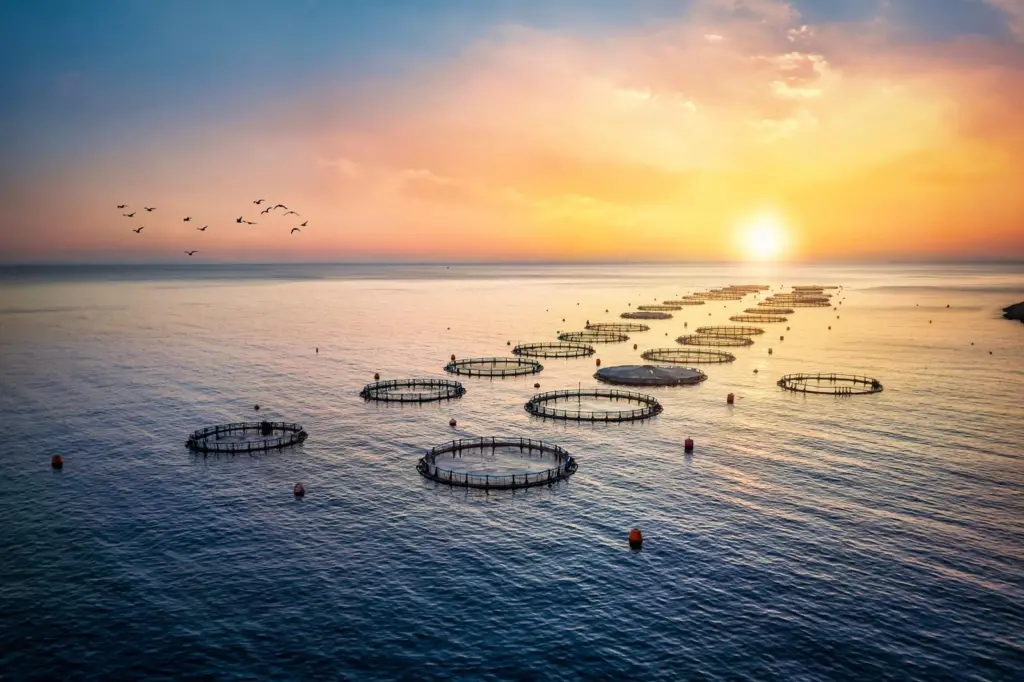
A new, low-cost Internet of Things (IoT) sensor system could help the aquaculture sector in developing countries by enabling fish farmers to detect, monitor and manage water quality in real time.
Aqsen Innovations has partnered with CENSIS – Scotland’s innovation centre for sensing, imaging and IoT technologies – to advance the development of its sensor system, Aquasense, which can be adapted to test for a range of variables in water, such as temperature, oxygenation, salinity and the presence of chemicals such as chlorine.
“Aquasense provides real-time, dynamic insights on water quality that can support communities and help to improve productivity across a variety of sectors grappling with environmental challenges. It is about making technology that can make a real difference more affordable and accessible to those who need it most,” said Rinku Dasbiswas, co-founder of Aqsen Innovations.
“Once we reach commercialisation, we hope to develop the product further and begin incorporating satellite imaging.”
Readily accessible
Sensor systems with these features are often highly expensive, making them too costly to use in many developing nations. However, Aqsen Innovations is aiming for the technology to be priced at just 25% to 30% of equivalent products.
Working with CENSIS will help the company achieve this price point by using a unique combination of components that will work with Aqsen’s software tools.
By monitoring water quality in real-time, the IoT sensors generate data that can be monitored remotely via a mobile device and inform decision-making. It is particularly aimed at areas which rely on climate-sensitive sectors such as aquaculture, as well as areas prone to flooding.
Fish farmers could benefit from the technology by tracking the temperature, dissolved oxygen concentration, and the pH level of water, allowing them to identify the optimal time for feeding and checking fish health.
Later this year, the team will work with Makerere University College of Natural Sciences in Uganda to begin advanced trials of the technology in Lake Victoria. Initial trials have also successfully been undertaken at fish farms in Uganda, as well as in India where Aquasense was used to monitor the quality of water in floodplains and on farmland.
The sensors are also going to be trialled on several projects in Scotland which involve CENSIS, exploring how to best monitor water quality in different contexts, including flooding and tree planting. Potential applications are also being explored in South Africa and Malaysia.
Related Articles
 SEAFOOD
 AQUACULTURE
 SEAFOOD