



University vaccine work tackles resistance
Scientists at the University of Stirling in Scotland have been awarded over £770,000 to support the roll out of a new vaccine that could deliver major benefits to the aquaculture industry.
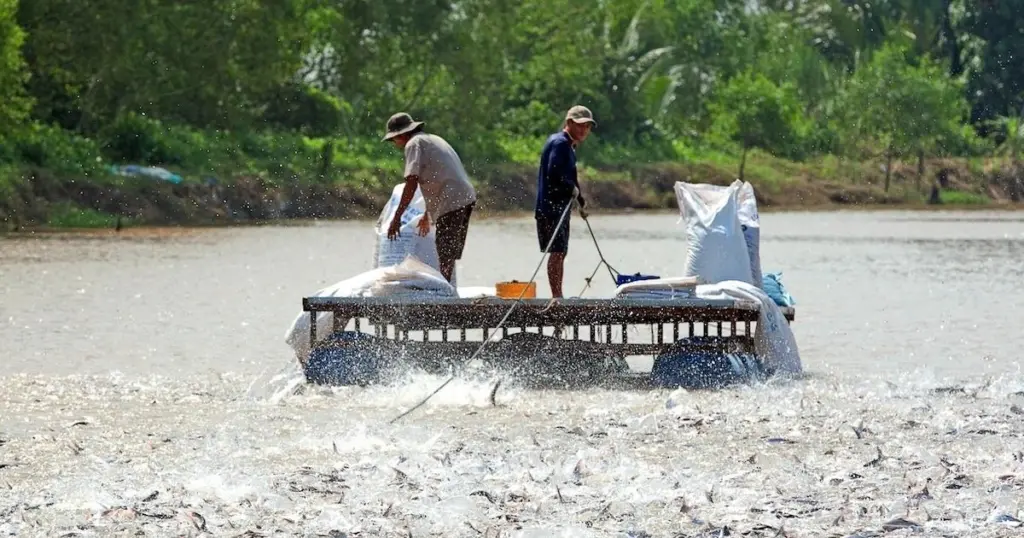
This initiative, led by the university’s Institute of Aquaculture, builds on previous research developing a vaccine to address antimicrobial resistance (AMR) in Vietnamese catfish.
The multidisciplinary team, which includes psychologists and behavioural economists, will use the new funding to promote the commercial development and adoption of the vaccine among aquaculture farmers.
Professor Margaret Crumlish is spearheading the project, supported by £774,239 from Canada’s International Development Research Centre and the UK Department of Health and Social Care under the InnoVet-AMR initiative.
Collaborating with Dr Le Hong Phuoc from the Research Institute of Aquaculture Number 2 in Ho Chi Minh City, the team aims to shift farmers away from antibiotic use.
Despite the availability of a commercial vaccine since 2013, many farmers remain hesitant to adopt it and studies have revealed that 80% of farmers rely solely on antibiotics.
The first stage of the study launched in 2019 and developed an effective vaccine which works by immersion – submerging fish in the vaccine for a short period of time, before returning them to the pond. Data from this phase showed the new vaccine gave 70% protection against two major diseases.
The second stage, running until October 2026, aims to promote this vaccine and explore whether the Covid-19 pandemic has changed attitudes towards vaccines.
“Vaccine hesitancy in the Vietnamese Pangasius catfish sector remains high and combined with poor antibiotic stewardship, the sector has reached an AMR crisis,” said Professor Crumlish.
“The novelty of this project, is not only the new immersion-based vaccine, but the integration of behavioural sciences to directly address vaccine hesitancy and promote vaccination strategies to reduce the threat of AMR.”
Related Articles
 SEAFOOD
 AQUACULTURE
 SEAFOOD