




Turkish aquaculture boom
If Turkish aquaculture integrates the latest advanced technologies and establishes new product segments, it could drive up its total output up to a level beyond 1 million tonnes per year by 2030 – that’s the widely-held view of many of the country’s fish farmers and those closely associated with the industry.
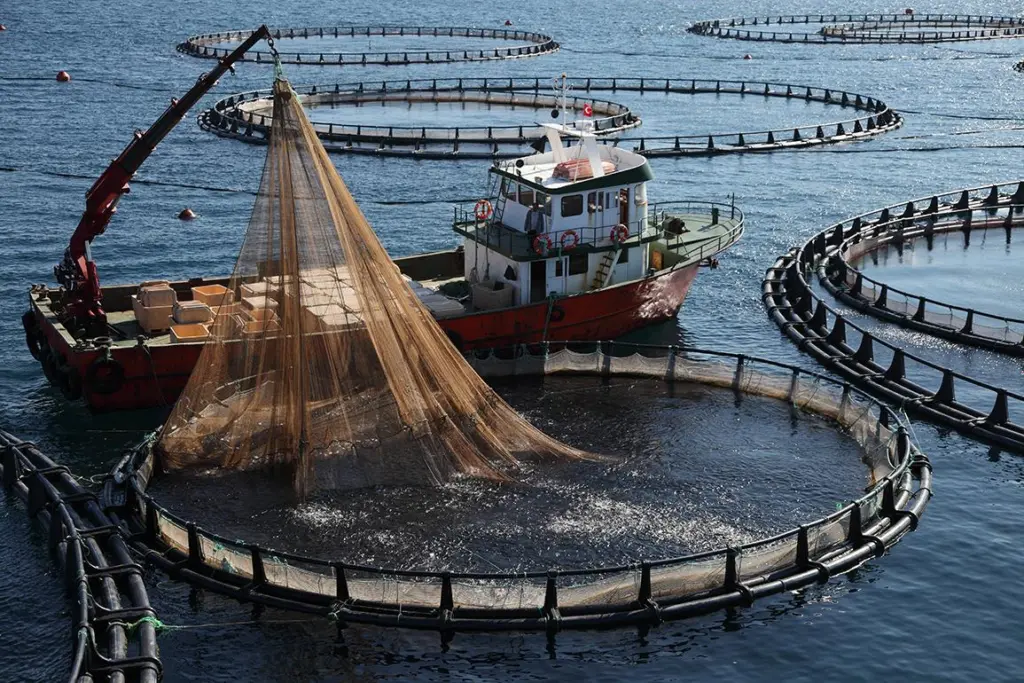
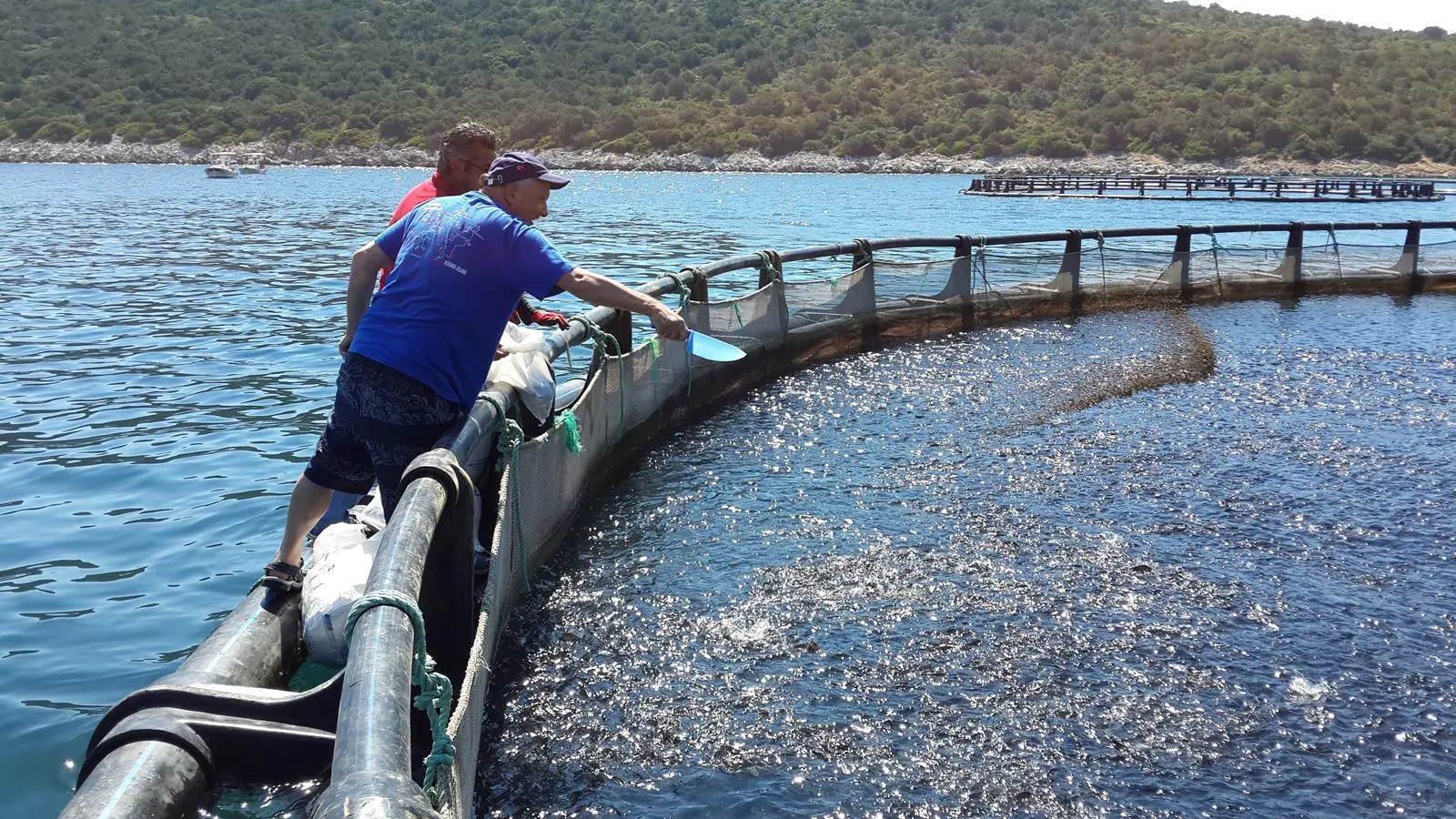
Over the past decade, Turkey has achieved exceptional results with regards to the development of its fish farming industry, albeit focused on the production of three key species: gilthead seabream (Sparus aurata), European seabass (Dicentrarchus labrax), and rainbow trout (Oncorhynchus mykiss). In 2020, the Turkish overall aquaculture production stood at 421,000 tonnes, with these three species jointly accounting for more than 90% of the total volume.
Expanding on the official data, Prof Bayram Öztürk, head of the Turkish Marine Research Foundation (TUDAV), told WF that in 2020, Turkey produced 148,900 tonnes of seabass, 109,749 tonnes of gilthead sea bream, and 144,182 tonnes of rainbow trout, including 126,000 tonnes of inland production and 18,182 tonnes in marine cages.
Turkey’s aquaculture exports have steadily grown over the past decade – exceeding US$1 billion for the first time in 2020, with the country supplying around 40% of all the gilthead seabream and European seabass sold in the global market.
By 2023, Turkish farmed fish production is projected to reach around 600,000 tonnes, TUDAV forecasts. And, since most of the additional quantities are destined for export, the Turkish Central Union of Fishery Cooperative projects the export to pass the $2 billion mark in 2023.
At the same time, and while the growth potential within the seabream and seabass sector is yet to be exhausted, Turkish fish farmers are increasingly looking into new segments.
“Bluefin tuna, yellowtail (Seriola dumerili), meagre (Argyrosomus regius), dentex (Dentex dentex), shi drum (Umbrina cirrosa), common sea bream (Pagrus pagrus), and some other species are cultured in small amounts according to the market demand,” Öztürk said.
He also highlighted that trout farmers’ associations expect Atlantic salmon (Salmo salar) production using recirculation aquaculture systems (RAS) to start in Turkey in the near future.
Mussels, salmon growth

Öztürk told WF there is some room for development in the seafood segment. In particular, the growing of Mediterranean mussels (Mytilus galloprovincialis) is gaining popularity in Turkey, with production jumping from 329 tonnes in 2016 to 4,037 tonnes.
Several more major mussel farms are now under construction in the country aimed at raising the local supply.
“The driving force behind the mussel farms was a new concept of mussel restaurants. Wild stocks failed to provide the mussels needed to meet the new demand, and so new farms were established,” Öztürk said.
Mussel consumption is indeed on the rise in Turkey, even though this segment faces new challenges. In 2021, a group of experts warned against eating mussels due to the pollution that causes marine sludge or mucilage.
Nuray Erkan, an aquatic sciences expert from Istanbul University, told local press that aquaculture products with poor meat yield and nutritional content were expected last season due to a mucilage invasion that had impacted the feeding base of several species.
Despite efforts taken by the authorities to battle the mucilage, concerns remain that this sludge, which thrives in warm temperatures, has taken a foothold in the Marmara Sea. Among the causes of the problem, global warming is believed to be partly culpable.
As per a 430-page report published by TUDAV in 2020, the country’s mussel production is set to rise to 40,000 tonnes in the next few years, with this figure not taking into account inland farming. Most farms are expected to be built on the southern Marmara and Aegean coasts.
However, mussels are not the only aquaculture segments showing promise in Turkey. Ufuk Atakan Demir, a Member of the Board of the Aegean Fisheries and Animal Products Exporters’ Association, said the prospects of salmon farming also look rather optimistic.
“Exports amounted to $130 million in 2021. This year it is set to rise to $250-300 million,” Demir said, adding that Turkish farmers have secured a farmed salmon foothold in the Russian market.
“We look forward to the future of Turkish salmon. Apart from Russia, we export to the United States, European countries, Japan and the Far East,” he said.
Demir forecasts that in 2022 Turkish salmon production can be expected to reach 60,000 tonnes. He also maintains that Turkey is still at the beginning of the road when it comes to salmon production, and that its output is set to rise further as Turkish salmon finds a place in the world market alongside the products coming out of Norway and Chile.
Other seafood species, though, are not expected to show quite so much robust growth in the next few years.
“Although there is a growing interest for prawn and shrimp production, and [there are] some established new small farms, growth is not yet substantial. A limiting factor is the sub-tropical conditions in Turkey. Pond production only allows a single harvest which does not provide the needed profit for sustainable production. RAS systems for shrimp and prawn farming are an option, but these are high investments and operation costs are a major concern,” Öztürk said.
State support
As Turkey mainly exports its fish to the European Union, any spikes in sales have not gone unnoticed by European companies and regulators. The Turkish government has also provided the sector with support in the form of subsidies in excess of €600 million between 2003 and 2016, according to TUDAV estimates.
“Recently, state subsidies have been cut by the government due to the pressure from European producers who claim that Turkish government’s subsidies create unfair competitive conditions,” Öztürk said.
The EU imposed a countervailing duty on rainbow trout from Turkey in February 2015 to prevent this kind of unfair competition from Turkish imports, as a result of a complaint lodged by the Danish Aquaculture Association on behalf of EU trout farmers. The countervailing duties ranged from 6.7 to 9.5%.
Over the past few years, the European Commission has been of the opinion that the Turkish government constantly changes its trout farmers’ subsidy programmes in order to avoid countervailing duties. And it is believed that Turkish trout farmers continue to receive subsidies that allow them to import into the EU at prices that are very close, if not below, EU farmers’ cost of production.
While the government support programme has been altered, it has not been abandoned altogether. The state still largely supports the trout segment, including subsidising broodstock production. In addition, authorities put some effort into promoting the growth of production of mussels, carp and new species.
So far, these endeavours have not attracted the attention of the European regulators.
“State aid is important for the SMEs. Most of the time, they struggle to fight with the changing market conditions where bigger producers can support their cash flows with exports,” Öztürk said.
In the meantime, Turkey is expected to further strengthen its position in foreign markets in 2022. The lira exchange rate plunged by 44% against the dollar and euro last year, making all Turkish goods more attractive in overseas markets in terms of price, and making international trade more lucrative for the country’s fish businesses.
State aid for aquaculture in Turkey
| Supported Product | Limit | Support (Tl/kg or Tl/ind.) |
|---|---|---|
|
Trout (kg) |
350,000 kg |
0.75 |
|
New species (kg) |
350,000 kg |
1.5 |
|
RAS production (kg) |
350,000 kg |
1.5 |
|
Oversize trout (>1kg) |
350,000 kg |
1.5 |
|
Mussels (kg) |
350,000 kg |
0.1 |
|
Carp (kg) |
350,000 kg |
0.5 |
|
Disease free trout broodstock |
10,000 ind. |
60 |
|
Pond fish culture |
30,000 kg |
1 |
Strong supply base
Öztürk also advised that Turkey’s fish farmers can source broodstock, aquafeed, and equipment on the domestic market, which is an essential factor driving the growth of the aquacultural industry’s production performance.
“Turkish aquaculture industry is mostly self-sufficient in terms of broodstock. In fact, the world’s biggest larvae producers for seabass and seabream are in Turkey, and they provide larvae and fry to the Mediterranean basin fish farms,” Öztürk said.
There are only gaps in the off-season and for disease-free eggs for trout farming, which are currently imported, he remarked.
That said, the booming Turkish salmon production has resulted in some investments for off-season and disease-free egg production, which will provide half of the imported eggs. Therefore, the gap will likely be closed in the near future, and trout egg production will be fully local, he added.
Similarly, the country has a strong aquafeed industry, Ozturk said, with more than 30 fish feed plants already in Turkey, most of which are integrated with fish farms. The sector’s main issue is the lack of fishmeal, which is mostly imported.
“Farming equipment (feeds etc) are both imported and exported. There are local equipment producers who are successful exporters at the same time. Some farms prefer imported, branded equipment with good reputations whereas others prefer locally produced counterparts,” Ozturk said.
“The production growth will most likely come from Turkish salmon, mussels, and to some extent from seabass and seabream. Production will continue to grow even after 2030, but it is not easy to provide a production forecast with the current economic situation and pandemic conditions,” Öztürk said.
Öztürk also explained that Turkish aquaculture has been growing at a rate of 6-10% annually since the 1980s, and it is believed that this will continue at a similar pace over the next few years.
If this forecast is realised, then Turkish farmed fish production will exceed 1 million tonnes by around 2029, he suggested.
Related Articles
 AQUACULTURE
 SEAFOOD
 SEAFOOD