



Troubles mount for Egyptian aquaculture
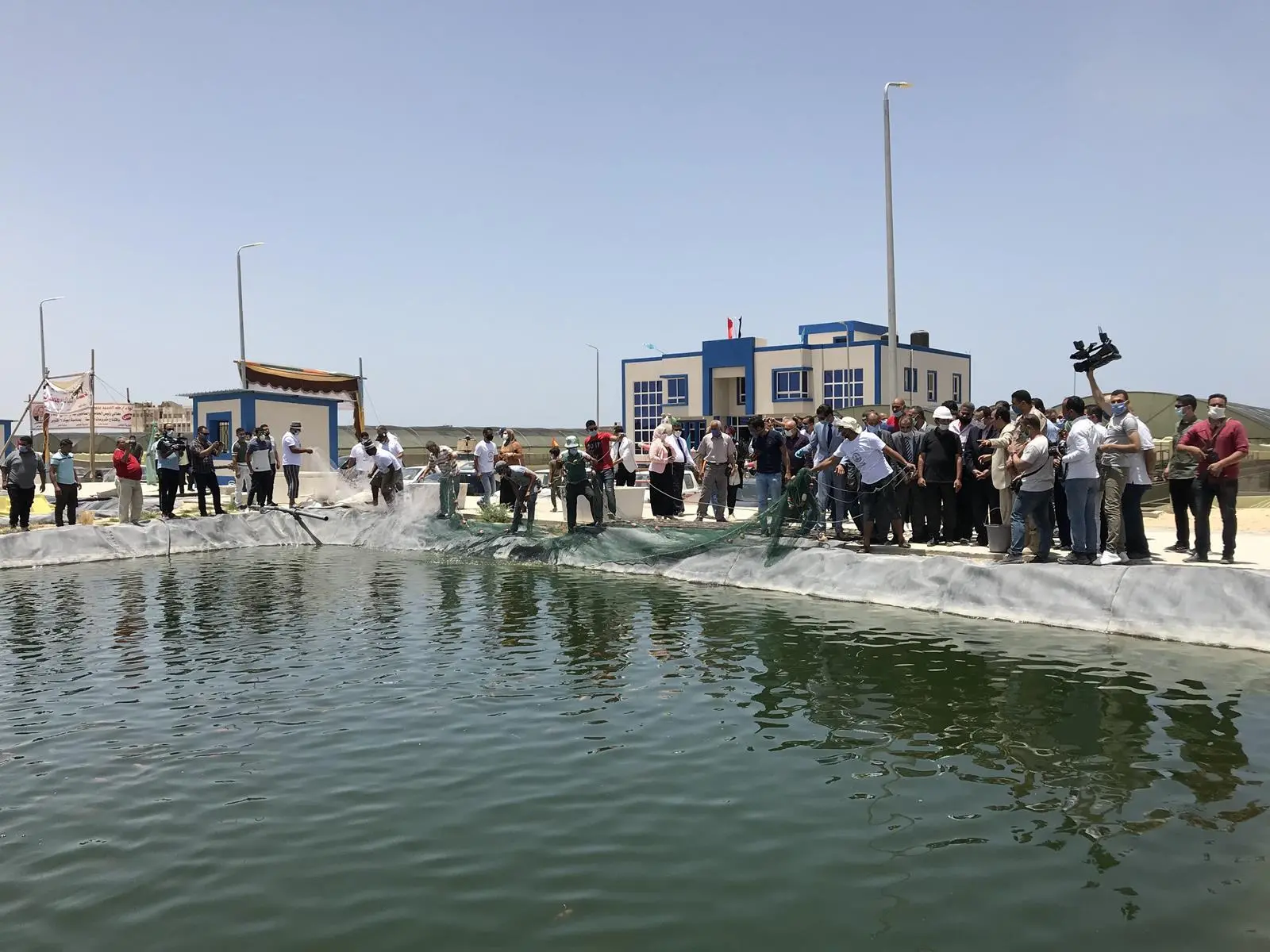
Although Egypt’s aquaculture industry has witnessed spectacular growth over the past decade, its future has become uncertain for a variety of reasons. While immediate challenges are primarily economic, it is also braced for more fundamental threats associated with climate change and water scarcity.
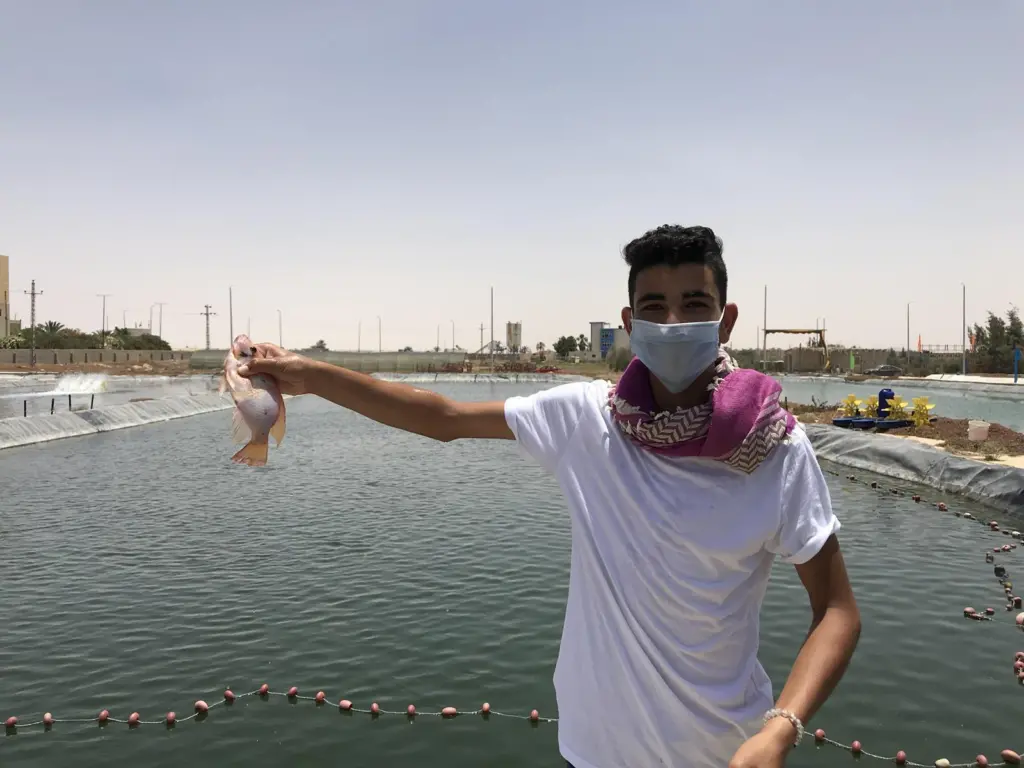
“Egypt has seen a huge expansion in aquaculture over the past eight years or so,” said Mirette Mabrouk, Senior Fellow and Director Egypt Programme at the Middle East Institute. “As of 2022, it was number one in Africa, sixth worldwide, and the third largest producer of tilapia.”
This production growth has mainly been driven through the need to establish food security and has been achieved through the expansion of new technologies and improved farming practices, Mabrouk said.
“The country will definitely want to keep this trend up, and as I understand it, they are working on expanding inland fisheries, expanding the use of reclaimed land and developing hatcheries, but it will depend on whether it can maintain sustainable farming management practices.”
Dr Salah Hajjaj of the Egyptian Agriculture Ministry told WF that Egypt now produces around 2 million tonnes of fish per year, with 80% or 1.6 million tonnes coming from aquaculture. Of these, 60-70% is tilapia, with mullet, catfish and some other species accounting for the rest. In the past few years, the country has also seen increased investments made in saltwater farms – mainly growing seabream and seabass.
But Egypt still needs to ramp up its tilapia production in order to be self-sufficient on the domestic market, Hajjaj said, explaining that the government plans for the next few years to prioritise intensification across the industry.
Golden land
Over the past few years, Egyptian fish farmers have seen production costs soar. Beyond the common factors contributing to this trend, like a hike in energy and feedstuff prices, problems lie in the toughening competition for suitable land.
Aquaculture in Egypt is concentrated in the Nile River Delta – a fertile region that stretches 240km along the Mediterranean coast of northern Egypt. Remarkably, accounting for less than 3% of Egypt’s total area, the Nile Delta is home to around 40% of the country’s population and accommodates nearly 70% of its fish farms.
But local analysts say the growing urbanisation of the Nile Delta areas and the Mediterranean coast makes the fish farming sector vulnerable.
Mohamed Foila, Chairman of the Port Said-based Foila fish farming company, said that a few years back, his company paid only around 3,000 Egyptian pounds (US$97) a year per acre of land. Now, the figure has jumped to 30,000 Egyptian pounds ($970), effectively driving some farmers out of business. Foila has recently embarked on a new project worth 20 million Egyptian pounds ($650,000) pounds aimed at expanding production.
At present, the company produces 1,500 tonnes of fish per year and plans to invest to boost this figure and start breeding new fish species, primarily seabass and grouper.
However, with current rent rates now almost unbearable, Foila suggests that in order to ensure the industry’s long-term growth, the government should abolish the real estate tax for fish farms and lower rent rates.
Unfortunately, analysts believe the rents are likely to increase further over the coming years.
“It’s very likely that rents will continue to rise and that smaller farmers will be impacted adversely, especially since they now have to compete with the government mega projects,” Mabrouk said. “They’re already being impacted by a series of challenges, including climate changes, poor water quality and rising sea levels – many smaller farms are in low-lying areas in the Delta.”
In general, analysts expect increased industry consolidation and diversification in the coming years, with both trends driven by the cost-of-living crisis.
“The current economic situation in Egypt has impacted every sector of the economy. Rising costs are exacerbated by a foreign exchange crunch that has adversely affected imports,” Mabrouk said. “And once producers have tackled those challenges, they must deal with the fact that the rising cost of their product means there will be fewer buyers in the domestic market since people are struggling with soaring inflation and fish is significantly less affordable to the average consumer. It is also likely to edge out more of the smaller farmers.”
Climate challenges
On the climate side, Egypt and Egyptian fish farmers are facing an annual water deficit estimated to be categorised as “water scarcity” by 2025, according to the United Nations. At the same time, rising sea levels are prompting saltwater intrusions that are not only affecting water supply but also spoiling agricultural farmland.
“Definitely, climate change is starting to have an impact. Most of our lakes in the north are much saltier now than they used to be due to saltwater intrusion into the groundwater from the Mediterranean Sea. There are no true freshwater lakes anywhere in the country,” said Wasseem Emam, Founder of Ethical Seafood Research and a PhD Researcher in the Institute of Aquaculture at the University of Stirling.
He added there are signs authorities are already considering stepping in.
“I think the government has started to question whether it still makes sense that, by law, fish farms are only able to use agricultural drainage water in their operations. In light of the effects of climate change, it is very likely that the internal discussions on the possibility of relaxing those rules, that we know have taken place in the past, will be looked at again more seriously, at least to some extent.”
Emam said he expects Egyptian farmers to follow in the footsteps of other water-scarce countries in Africa and the Middle East and transition to farming saltwater-adapted tilapia. Given the increasing salinity of all freshwater sources in Egypt, he believes there will also be a shift in the production systems with cages increasing in abundance and being legally authorised.
Small-scale farmers are likely to be the most worse off since they don’t have the flexibility to adapt to the ongoing changes and can’t afford the huge investments needed to adjust their business model and start to farm other species, he said.
Hajjaj said that in light of climate change and the soaring rent rates, one possible solution is to build inland fish farms based on the underground wells., and explained that this approach offers apparent benefits, including access to clean water.
However, Emam warned that climate change’s impact is not limited to issues around water availability. It also indirectly drives up the cost of feed ingredients, triggering an upward price rally in the aquafeed market.
Related Articles
 AQUACULTURE
 SEAFOOD
 AQUACULTURE