



There has been a significant drop in the sustainability performance of key global fisheries used in the production of marine ingredients, reveals a new report by the Sustainable Fisheries Partnership (SFP).
The 2024 Reduction Fisheries Report shows that, for the first time since 2015, half of the assessed fisheries – 11 out of 22, representing 41% of total volume – are now categorised as ‘poorly managed’ based on updated FishSource scores.
“We’ve seen a steady decline in global performance of key fisheries since 2018, and unfortunately this year the picture got worse,” said Dave Martin, SFP’s global supply chains director.
“This isn’t just about ongoing management gaps – stock health is declining. Timely action can turn things around, but the seafood industry must engage more directly with management efforts.”
The report notes that while two fisheries showed improvements, six regressed. Four new Indian fisheries were assessed for the first time but couldn’t be fully scored due to insufficient data, highlighting ongoing transparency and information gaps in some regions.
Jorge Diaz Salinas, sustainability and communications director at Skretting, called the findings ‘a wake-up call’, saying, “We must work closely with our supply chain to ensure our operations contribute to healthy ecosystems.”
Aisla Jones of the Aquaculture Stewardship Council echoed this concern. “The decline in sustainability performance illustrates how essential it is to create market incentives that reward responsible sourcing,” she said.
The 2024 report, the 15th edition of SFP’s annual review, also expands its analysis of environmental and biodiversity impacts.
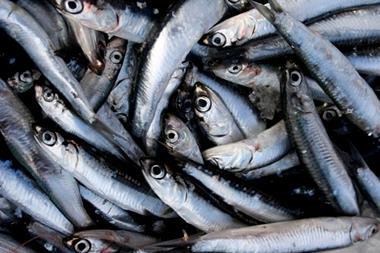
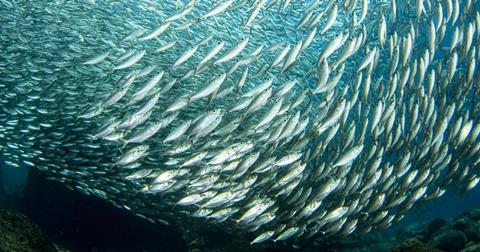
It highlights common issues facing small pelagic fisheries worldwide, such as limited data collection and the lack of coordinated management across countries, stressing the urgent need for stronger collaboration between industry, governments and stakeholders to secure the future of marine ecosystems.