


Serving up AI-raised fish
With new technologies and artificial intelligence attracting increasing attention from the aquaculture space, leading Japanese sushi chain Kura Sushi has elected to support the country’s fish farming progress through its new subsidiary Kura Osakana Farm.
Established in November 2021, the subsidiary is a marine products trading company that is wholly-owned by Kura Sushi. One of its main roles is to commission fish farmers across Japan to produce fish for sushi products.
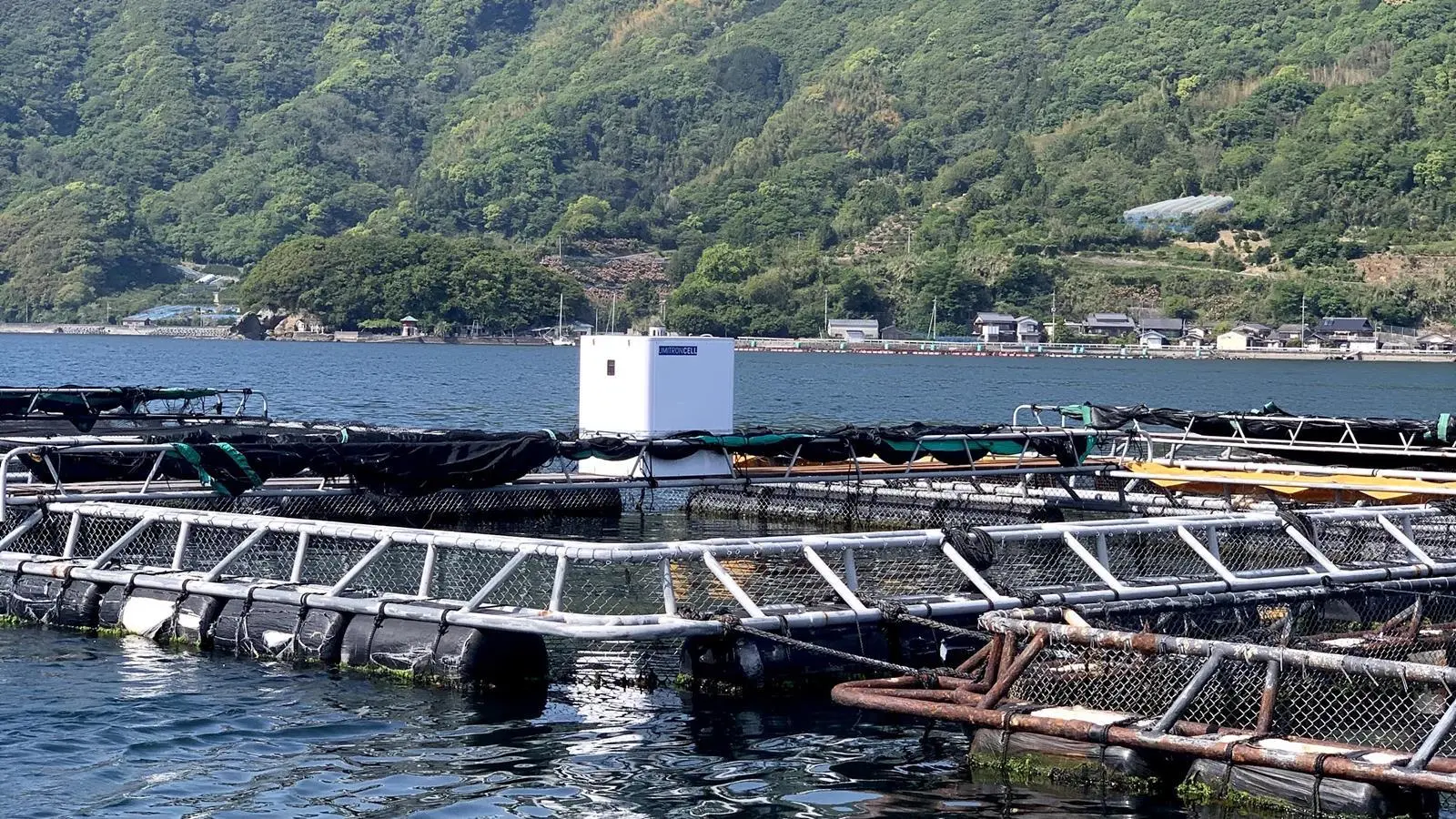
In January this year, Kura Sushi announced that it would deploy Umitron Cell, an automated fish feeder that uses AI and IoT technology, as part of a new collaboration with aquaculture and technology firm Umitron. Through this arrangement, Kura Osakana Farm will be responsible for providing Umitron Cells to contract farms for their use.
“Most Japanese fishermen and farmers are part of small, family-owned businesses without any stable management of farming operations,” said Joyce Leo, marine scientist at Umitron. “Kura Sushi wants to create a successful production model for fisheries and aquaculture to thrive and prosper.”
One example of what it is doing is purchasing fish caught in set nets and donating part of its sales to an organisation that promotes the employment of fishermen, Leo explained.
“In future, Japan’s fisheries and aquaculture will have to boost the efficiency of their operations by bringing down costs and improving working conditions. This will help increase production and sustainability and enable stakeholders to have better visibility and management.
“Kura Sushi’s vision is closely aligned with our mission and technology solutions, which is why we decided to work together,” she said.
Real-time controls
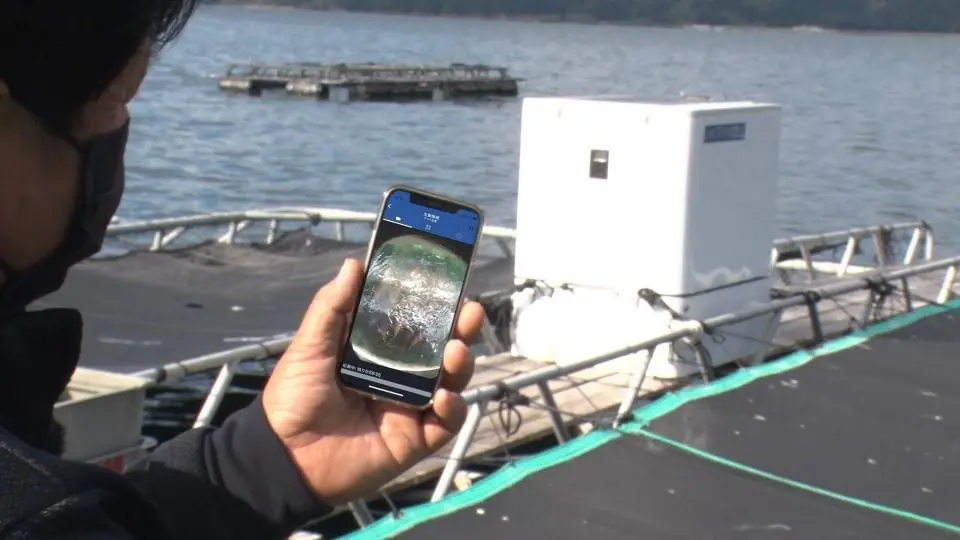
Umitron Cell is a smart feeding machine that enables farmers to remotely control feeding while watching real-time footage of their fish from a smartphone or other device.
The automatic feeding feature is powered by the Fish Appetite Index (FAI), Umitron’s AI algorithm that analyses fish appetite and helps farmers remotely control the smart feeder from office PCs or smartphones.
Knowing fish appetite in advance and being able to optimise and control the speed of feeding and the amount of feed that is given provides significant benefits; labour load is reduced, feeding is optimised and operations are environmentally-friendly as food can be prevented from flowing into the sea.
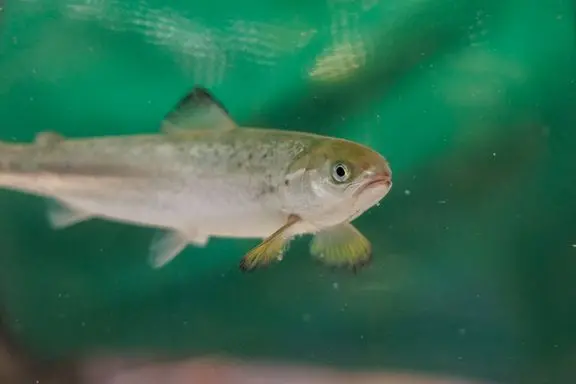
Umitron Cell is currently being used in Japan and Peru for species such as seabream, striped horse mackerel and salmon trout. Kura Sushi’s farms will be focusing on red seabream but there are plans to rear other species in the future.
Attracting new blood
Through their new collaboration, Umitron and Kura Sushi are also aiming to address long-standing issues in Japan’s fisheries and aquaculture, such as poor working conditions and labour shortages.
The labour shortage is becoming an increasingly serious issue due to an ageing workforce, while the depopulation of rural areas where aquaculture is thriving is another concern.
More and more young people are put off by difficult work such as going back and forth each day to feed and keep an eye on fish in bad weather, while older farmers do not have any good data to share their know-how with younger farmers. This makes it difficult to teach them what they have learned over the years.
Feeding is also a concern. In the case of red seabream aquaculture, feed costs account for 50-60% of the total cost, placing a burden on farmers’ profits and aquaculture management.
In addition to being more efficient, Umitron Cell can save labour and reduce the number of trips that are required to feed or check fish. It can also create better working conditions because feeding and monitoring through smartphones eliminates the need to visit fish pens when the weather is bad.
There are also positive effects on feed – giving the required amount at the right time can speed up growth rate and reduce food loss.
Tech uptake
While Kura Sushi waits to hear the outcomes of Umitron Cell from its fish farmers, other producers have reported promising results.
“In a previous large-scale feed optimisation demonstration using Umitron Cell and FAI, red seabream producers fed their cages remotely via smartphone using analysed data on fish appetites and achieved a 20% reduction in the amount of feed,” said Leo.
“In addition to maintaining fish quality, they were also able to hit their targeted harvest size in just 10 months instead of a year. These positive results prove that we can still obtain reasonably-sized, high-quality fish quickly while taking care of our marine resources by preventing unnecessary feed from being discharged into the environment.”
AI, Internet of Things (IoT) and new technology appear to have taken off significantly in Japan’s aquaculture industry.
When Umitron was founded in 2016, many producers could not picture how AI and IoT could be used in the industry, remarked Leo. But partly due to a current push by the government towards digitalisation and the cascading effects of the COVID-19 pandemic, an increasing number of producers are now willing to introduce technology on their farms to improve production efficiency and working conditions.
Many have reported more time available to spend with their families and the ability to provide young people with a more attractive workplace.
Engaging consumers
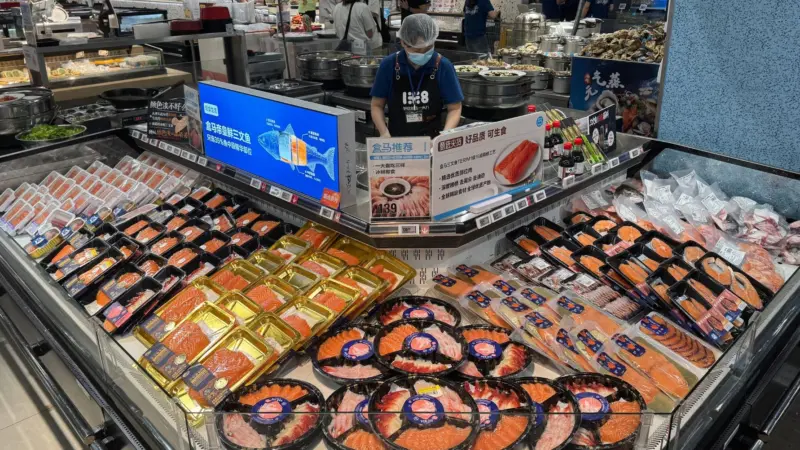
Once harvested, the fish from Kura Sushi’s farms will be marketed to consumers as ‘fish raised by technology’. Hopes are high that this will serve as an interesting talking point for consumers and provide them with an opportunity to find out more about the origin of their food from farm to table.
Leo believes that this will also attract new consumers and producers.
Meanwhile, with Umitron Cell in place, Kura Sushi and its farmers will have a stable supply of high-quality fish for their restaurant patrons and be able to continue growing their business.
“In order to keep providing delicious sushi to consumers, Kura Sushi must guarantee a stable supply of fish, and to achieve this, they believe that it’s vital to enhance working conditions for farmers and refine their operational and production costs and overall industry management, something that can be accomplished using Umitron Cell,” Leo said.
As it aims to fulfil its vision of revitalising Japan’s fisheries and aquaculture, hopes are high that Kura Sushi will successfully alter Japan’s industry landscape for the better.
“By using the AI smart feeder Umitron Cell, we hope to improve working environments, efficiency and stabilise the income of farmers through medium- to long-term contracts,” said Masahiko Shimizu, Sales Division Manager at Kura Sushi.
“By demonstrating a unique fishery business model such as this one, our aim is to create new employment opportunities and revitalise the fish farming industry.”