





Seaweed could play key role in fish health
A recent study by Norwegian and Spanish researchers has found that seaweed could play a key role in reducing intestinal inflammation in farmed fish.
Supported by the EU-funded BlueRemediomics and ALEHOOP projects, the research tackles a significant challenge in the aquaculture industry: maintaining fish health.
“The findings demonstrate the importance of bioprospecting marine resources to address aquaculture’s pressing health challenges,” said Neda Gilannejad, senior researcher at BlueRemediomics project partner NORCE Norwegian Research Centre.
The study focuses on matrix metalloproteinases (MMP), enzymes found in vertebrates that are involved in tissue remodelling. While MMPs are essential for tissue repair, they are also linked to inflammatory disorders, particularly in the intestine.
The researchers decided to see if seaweed species with MMP-inhibitory properties could help alleviate the intestinal inflammation commonly seen in fish fed plant-based ingredients.
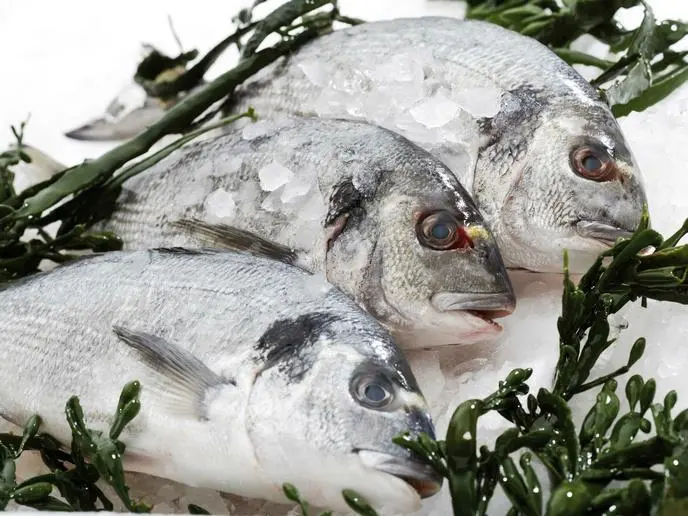
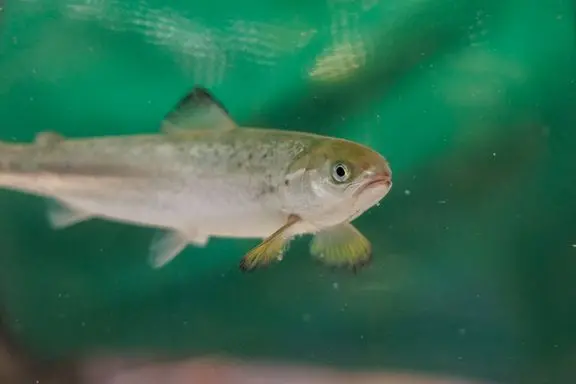
The team tested extracts from both fresh and processed brown and red seaweeds on three carnivorous fish species: Atlantic salmon, European seabass, and gilthead seabream.
The results showed that the seaweed extracts significantly reduced intestinal MMP activity. Additionally, in vitro simulations of fish digestion confirmed that algal meals maintained these beneficial effects.
“Our in vitro simulations of the digestive process in Atlantic salmon and Mediterranean gilthead seabream demonstrate their high efficacy,” said Gilannejad.
Related Articles
 AQUACULTURE
 AQUACULTURE
 AQUACULTURE