





Scottish government ‘open-minded’ about licence fees
Salmon farmers have welcomed a Scottish government commitment to consider their call for £10 million-a-year in licence fees to help tackle a housing crisis in rural Scotland.
Trade body Salmon Scotland launched a campaign last year to overhaul the current system so that the millions sent to Crown Estate Scotland (CES) are instead ringfenced for coastal areas where farms operate.
At a recent parliamentary rural affairs and islands committee meeting, Mairi Gougeon, Cabinet Secretary for Rural Affairs, Land Reform and Islands, confirmed that the government is open to the revenues being used to support housing.
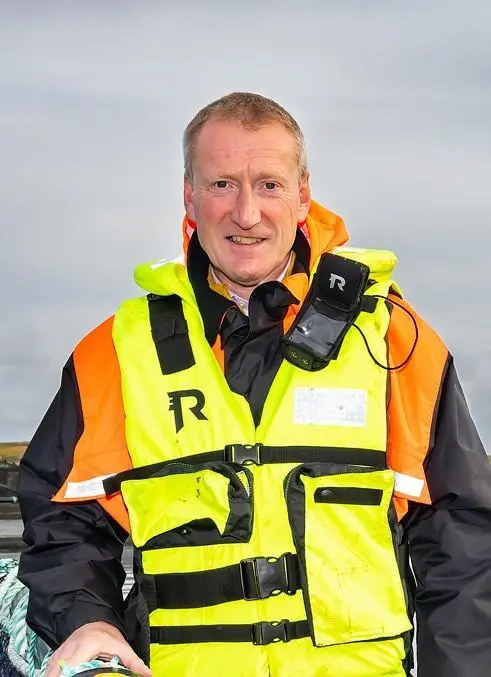
Tavish Scott, chief executive of Salmon Scotland said: “We are encouraged by the government’s open-minded approach and their recognition of the need to support coastal communities.
“Reinvesting the funds generated through salmon farm rents directly back into these communities will have a transformative impact, particularly in addressing the housing challenges faced by local residents.”
At present, salmon farming contributes more than £5m directly to CES, with this fee set to nearly double.
Salmon Scotland points out that CES overall revenues are expected to soar from £26 million in 2021-22 to £102 million in 2022-23 due to ScotWind offshore licensing fees, arguing that a greater share of aquaculture contributions should directly benefit farming communities.
Related Articles
 AQUACULTURE
 AQUACULTURE
 AQUACULTURE