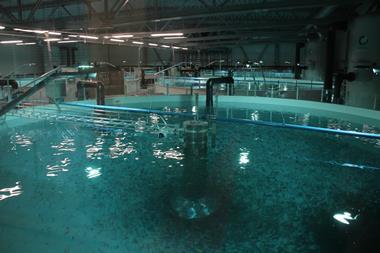




Three-Sixty Aquaculture says early results from its latest on-site evaluation of NanobOx nanobubble technology point to meaningful gains in water quality and shrimp performance at its Swansea research facility.
The findings come as the company explores tools that could make recirculating aquaculture systems cheaper to run and easier to scale.
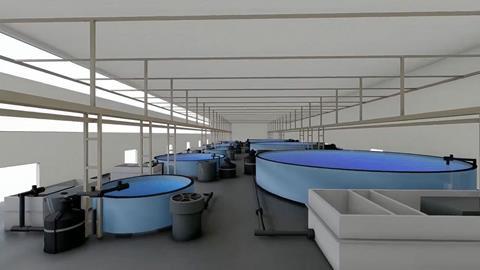
According to the company, the system delivered a steady lift in oxidation–reduction potential, which in turn improved flocculation, the process where sediments suspended in the water come together in clumps or ‘flocs’. This more efficient process allowed the team to cut ozone use by an estimated 8–10%, a reduction that carries both cost and environmental benefits.
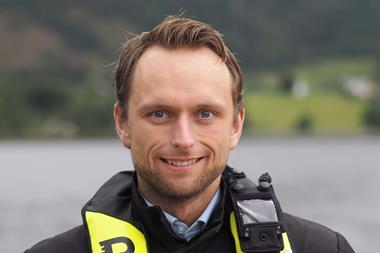
“These results are highly encouraging,” said Lee Tanner, director and chief technology officer of Three-Sixty Aquaculture. “Maintaining stable dissolved oxygen above 7 mg/L throughout the trial undoubtedly contributed to the excellent growth performance.
“With the NanobOx unit operating at only 50 W while delivering 800 L/min at 7 mg/L, it is clear this technology offers meaningful efficiency advantages.”
While the trial operated at relatively modest stocking densities of below 5 kg/m³ to isolate water-quality effects, the company reports that shrimp still exceeded expected growth rates. Animals reached an average 35 g in 80 days, with some individuals reaching 42 g. Such numbers are generally associated with more intensive indoor systems, suggesting the technology may help farms push biomass higher without compromising conditions.
Three-Sixty Aquaculture plans to continue testing, with the next stocking cycle slated for January 2026. The upcoming phase will look at whether the gains observed so far hold up under larger-scale conditions, along with how the system handles a wider range of scenarios.