






Maximising omega-3 fatty acid availability
A new review has explored how best to maximise the availability of essential fatty acids known to be beneficial to human health.
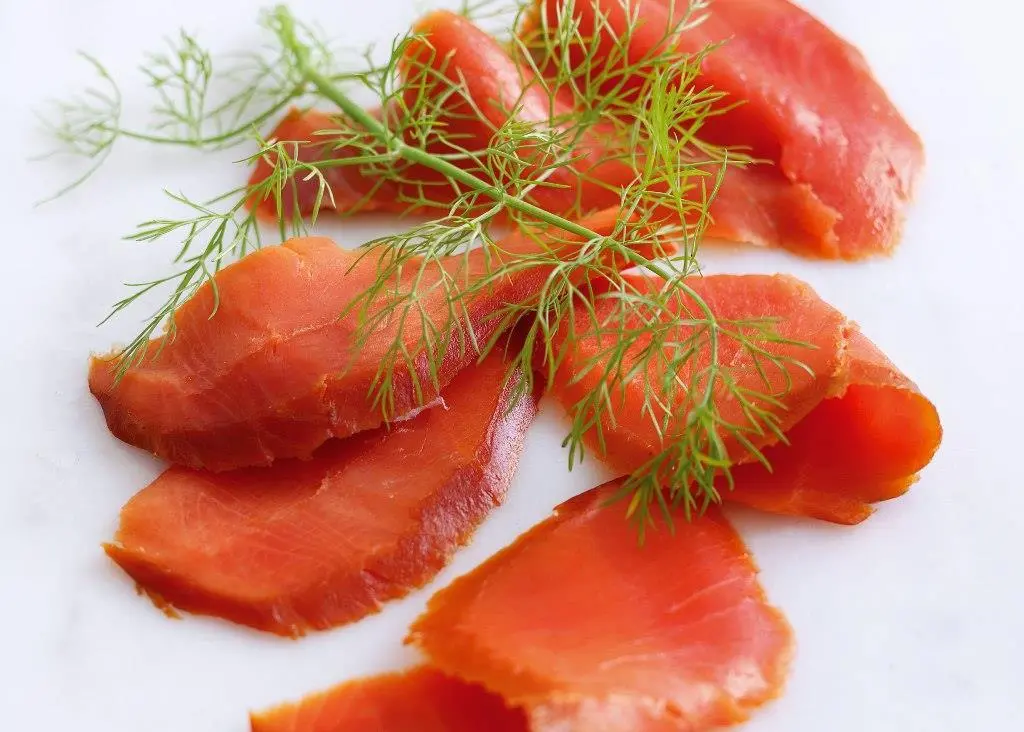
The report, published in Reviews of Fisheries Science and Aquaculture, looked at long-chain omega-3 polyunsaturated fatty acids (LC-PUFAs) such as EPA and DHA, exploring their growth potential.
Around 90% of these acids – which have a wide range of health benefits including reducing the risk of heart attacks and strokes – comes from fishery and aquaculture resources, with the latter being a greater contributor.
However, some species are better than others at synthesising these acids and a diet deficient in LC-PUFAs can lead to reduced growth and survival rates.
“Among the aquaculture sectors that are the largest users of LC-PUFA resources (salmonids, shrimp, and marine fish), there are varying degrees of capacity by each to synthesise LC-PUFA,” said lead scientist, Dr Brett Glencross. “This affects the degree to which they must be obtained via the diet.”
Limited capacity for additional growth
Prospects for expanding the volumes of available EPA and DHA are limited, found the scientists. These include:
- improvements in circular-resource thinking. The scale of the losses of the omega-3 LC-PUFA resources through food wastage alone is equivalent to about 50% of that consumed.
- the development of other sources of these fatty acids, including those produced from zooplankton, algae, and genetically modified plants. So far though, only algal oils contribute any significant volume, with an estimate of 12 ktonnes for 2023.
“Much remains to be done to both improve the understanding of the physiological roles of omega-3 LC-PUFA in aquaculture species and better define their requirement for the myriad of species now being farmed in aquaculture,” said Glencross.
“Additionally, dietary formulation strategies have changed significantly over the last decades and should be considered to determine intake levels of all the nutrients needed by the fish.
“Finally further research is needed to elucidate the multi-faceted role that it is likely that LC-PUFAs play, including interactions among the different PUFAs.”
Related Articles
 AQUACULTURE
 AQUACULTURE
 AQUACULTURE