


How to ensure a sustainable future for aquaculture
The aquaculture industry needs new governing principles to ensure it sustainably and responsibly meets the needs of future generations.
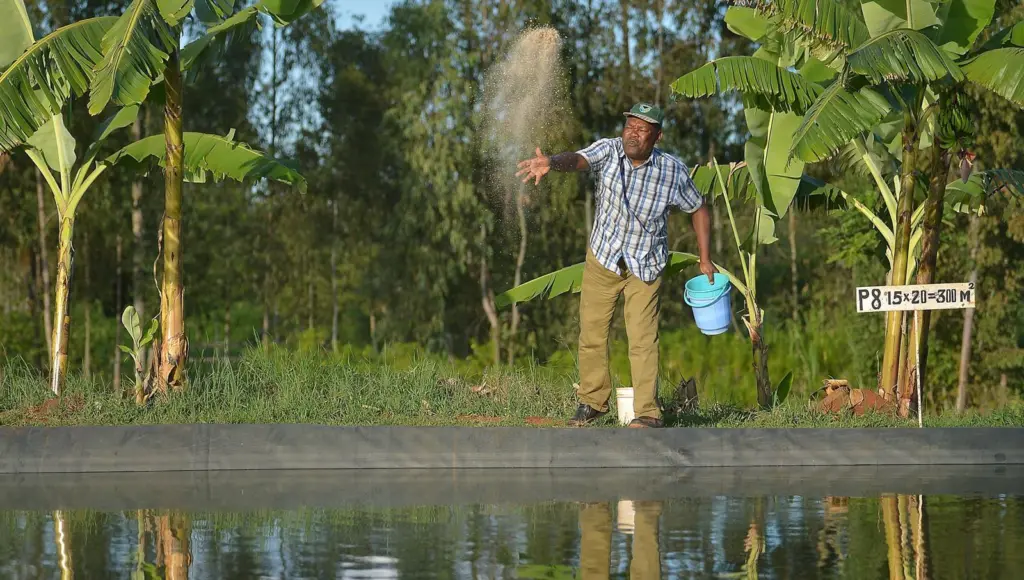
This is the key takeaway from the latest Global Conference on Aquaculture Millennium +20 held in Shanghai and organised by the FAO and partners.
“Given that aquaculture now supplies around 50 per cent of aquatic food, and given its potential to contribute to so many of the UN’s Sustainable Development Goals, we all need to focus on how to move it forward in a sustainable way,” said Xinhua Yuan, FAO’s deputy director for Aquaculture.
“Fish and other aquatic products can and will play a major role in meeting the dietary demands of all people, helping improve the resilience of global food system, while also meeting the food security needs of the poorest,” he added.
Leading experts in the field have put together a set of eight articles suggesting how the industry might expand and intensify whilst meeting targets for sustainability. These articles explore themes such as production methods, social issues, planetary health, nutrition, biosecurity, governance and markets.
Key messages
- Aquaculture must be environmentally sustainable with low trophic level species such as seaweeds, bivalve molluscs and finfish playing an important role.
- The industry needs to be better distributed across the world, ending its prominence in Asia and developing instead in Africa, Latin America and small island developing states.
- More innovation is needed to reduce the use of marine sourced ingredients in feed and to make better use of selective breeding programmes.
- Biosecurity such as disease-alerting systems should be enhanced as should digital technologies to improve traceability.
- Some countries need to develop and implemented dedicated legislation.
- The industry needs to embed social responsibility and worker and community wellbeing at all levels.
- The burdens of compliance fall disproportionately to producers and should be better distributed between producers and retailers.
Related Articles
 AQUACULTURE
 AQUACULTURE
 AQUACULTURE