



Honduran shrimp farmer training boosts welfare
Sixty-eight shrimp farmers from Grupo Granjas Marinas (GGM) in Honduras have successfully completed a shrimp welfare training course, elevating health and welfare standards in the country’s aquaculture sector.
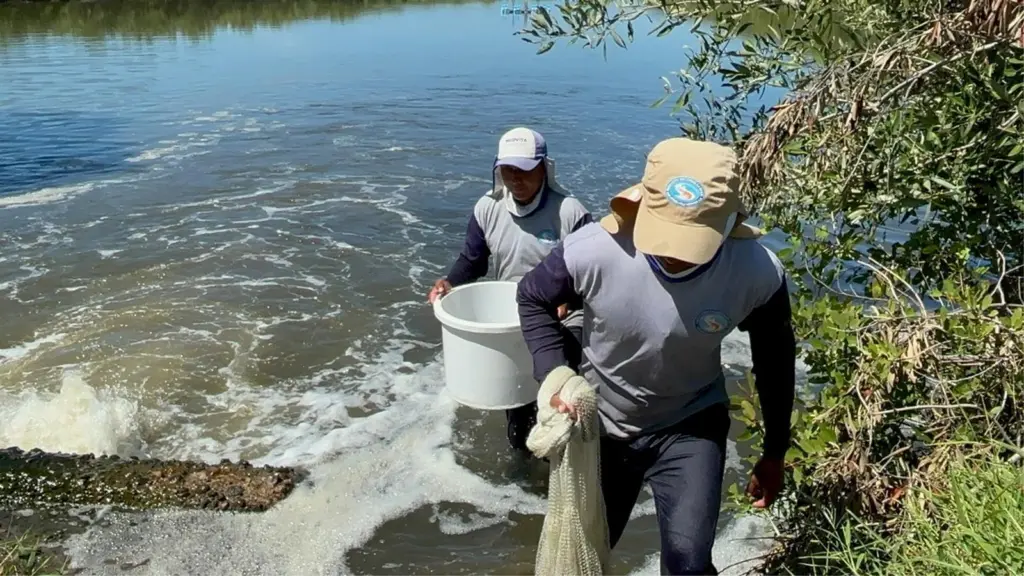
The two-day course, facilitated by global aquaculture welfare leader FAI, took place in Choluteca and is part of FAI’s broader initiative to improve aquatic animal welfare through collaboration with industry partners, scientists and shrimp farms.
“The consumer does not necessarily understand what high welfare shrimp farming looks like, but FAI’s assessment process and scoring system helps decode our farming data into understandable measures indicating successful production from an animal welfare perspective,” explained GGM’s general quality manager José Luís Avila-Castillo.
A major producer of Pacific white shrimp, GGM manages more than 5,000 hectares of shrimp farms and harvests 18,000 tonnes annually.
The training aligns with its commitment to continuous improvement in partnership with global aquaculture company Sea Farms and UK retailer M&S.
“This system helps the farm team identify where changes are needed and provides the right information to the rest of the supply chain, so the final consumer is assured of the ethical responsibility behind the product they are buying as well as the quality,” said Sea Farm’s Shannon Roberts.
Attendees, ranging from farm managers to health, feeding and harvesting teams, learned strategies to monitor and implement welfare improvements across the entire production process, reinforcing GGM’s leadership in sustainable shrimp farming.
“The workshop gave the team confidence they are taking good care of their shrimp and provided the tools to record and report the outcomes of their good practice,” said FAI head of e-learning and aquaculture expert Dr Sara Barrento.
Related Articles
 AQUACULTURE
 AQUACULTURE
 AQUACULTURE