


Guidance on Great Lakes fish farming compliance
A new publication is providing much-needed guidance to fish farmers in the Great Lakes region, helping them navigate the complex permits, policies and regulations governing their industry.
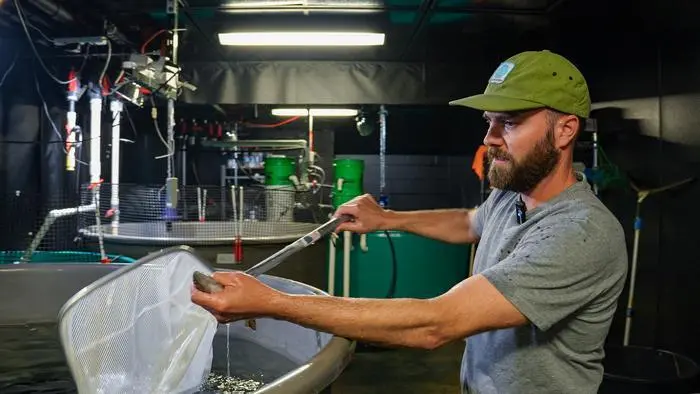
Developed by the National Sea Grant Law Center in partnership with the Minnesota Sea Grant-led Great Lakes Aquaculture Collaborative (GLAC), Aquaculture Regulations in the Great Lakes offers clear insights into state and regional requirements for aquaculture operations.
“Understanding the regulatory landscape is crucial for the growth and sustainability of aquaculture in the Great Lakes region,” said Amy Schrank, Minnesota Sea Grant extension leader, fisheries and aquaculture extension educator, and GLAC project lead.
“This publication serves as a valuable resource for fish farmers and policymakers to navigate a complex legal environment and identify opportunities for harmonisation and improvement.”
The report analyses the legal frameworks across the eight Great Lakes states and Lake Champlain, addressing aquaculture laws, permitting processes and species regulations.
It covers health requirements and environmental laws that impact aquaculture, such as water withdrawal, pollutant discharge, wetlands and right-to-farm laws.
Run by the University of Minnesota, the Minnesota Sea Grant is one of 34 federal-university Sea Grant partnerships across the country supported by the National Oceanic and Atmospheric Administration.
Related Articles
 AQUACULTURE
 AQUACULTURE
 AQUACULTURE