




Group certification working for small farms
More than 1,000 small-scale farms have now earned Aquaculture Stewardship Council (ASC) certification for responsibly farmed seafood, as a result of ASC’s group certification.
Group certification recognises groups of smaller producers that have joined together – for example, cooperatives and associations – which can jointly implement the requirements of the ASC standards. The group shares the costs, administrative function and other resources involved in that implementation and in the third-party audit that assesses whether they have fulfilled the standards.
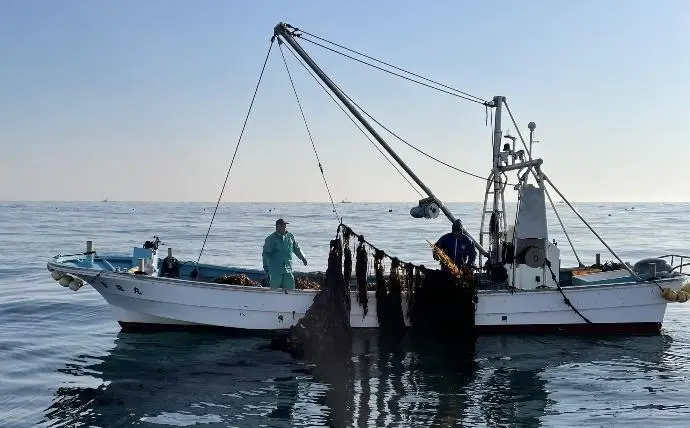
Four producer groups have earned ASC certification so far: the PT Central Proteina Prima Farm group in Indonesia, with 560 Pacific white shrimp (Litopenaeus vannamei) farms; Minh Phu Mangroves Shrimp Social Enterprise in Vietnam, a group of 450 giant tiger prawn (Penaeus monodon) farms; Jusanhama Gyokyo Youth Association in Japan, a cooperative of 19 seaweed farms producing Japanese kelp and wakame (Laminaria japonica and Undaria pinnatifida) and the Azuma-cho Fisheries Cooperative Association of seven Japanese amberjack (Seriola quinqueradiata) farms in Japan.
“The demand for responsibly produced seafood around the world continues to increase, and ASC group certification opens the door for many thousands of smaller farms to access markets that would otherwise be out of reach for them,” ASC Programme Assurance Director Efrain Calderon said.
Each group appoints a management body that oversees the steps along the way toward certification, including educating the farmers, guiding them into compliance with the ASC standards, liaising with the auditor, and maintaining a centralised management system for the group.
The manager also serves as a reliable point of contact for buyers who want to source ASC-certified products from the group.
ASC developed the group certification methodology over several years, guided by a technical working group of stakeholders from the industry, scientists and NGOs. The process involved public consultation and seven pilot groups in Asia and Europe.
Related Articles
 AQUACULTURE
 SEAFOOD
 AQUACULTURE