Welfare specialists FAI and food and agriculture consultancy Fresh Studio have launched a new partnership to develop Vietnam’s first welfare assessment protocol for pangasius, as the country’s influence over the global market for the species continues to expand.

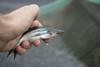
Juvenile pangasius

Juvenile pangasius

The partners aim to finalise the new assessment protocol in 2026, with FAI set to lead the publication of a joint scientific paper to strengthen the evidence base for pangasius welfare and encourage adoption across the industry

Vietnam produces more than half of the world’s pangasius and supplies around 90% of global imports. With domestic production volumes expected to rise by approximately 4% this year, the country’s role in shaping performance, sustainability and market perception of the sector is becoming increasingly significant.

Against this backdrop, the two organisations will work together to develop, test and validate a practical welfare assessment tool for pangasius across more than 100 farms nationwide. The initiative draws on FAI’s established welfare assessment frameworks for shrimp and tilapia, combined with Fresh Studio’s extensive aquaculture network and on-the-ground experience in Vietnam.

The collaboration forms part of Fresh Studio’s wider DeltaCare project, which is funded by the Netherlands Enterprise Agency (RVO) and aims to improve fish health, farm resilience and product quality in the Mekong Delta and surrounding regions.

“We aim to build a deeper understanding of welfare outcomes in commercial settings and highlight welfare as a driver for improved performance in pangasius production,” said Joe Pearce, Aquaculture Manager at Fresh Studio. “Animal welfare is the foundation of a sustainable industry. Better welfare leads to healthier animals, higher quality products and greater resilience for farmers facing growing climate and market pressures.”

Four-domain welfare framework

The new protocol will be structured around four recognised domains of animal welfare: environment, health, nutrition and behaviour. It will assess welfare risks and opportunities across the pangasius supply chain, including farming practices, transport and processing.

By focusing on practical, repeatable measurements, the partners aim to provide farmers with actionable insights that can be integrated into daily operations.

“By creating a practical and repeatable approach to assessment, we aim to help farmers identify welfare issues early, reduce avoidable losses and strengthen day-to-day decision-making on farm,” Pearce said.

In parallel with the technical development of the protocol, FAI and Fresh Studio will roll out an awareness campaign to raise the profile of pangasius welfare within the Vietnamese aquaculture sector. Planned activities include joint workshops and training sessions involving farmers, processors, industry organisations and educational institutions.

FAI CEO Øistein Thorsen said the project reflects growing recognition that welfare underpins both biological and economic performance in aquaculture.

“Our experience has shown that welfare is not a ‘nice to have’ but central to successful, modern aquaculture systems,” Thorsen said. “When welfare is improved, animals are more resilient, mortality rates fall and farms are better positioned to deliver consistent quality and productivity.”

He added that working with Fresh Studio allows FAI to combine welfare science with local expertise to deliver tools and training that can drive measurable improvements for pangasius farming in Vietnam.

The partners aim to finalise the pangasius welfare assessment protocol in 2026. As part of the project, FAI will lead the publication of a joint scientific paper to strengthen the evidence base for pangasius welfare and support wider adoption of the protocol across the industry.

“FAI has a strong reputation in fish and shrimp welfare, and their tools and training materials will be critical to maximising the impact of DeltaCare,” Pearce said. “Aquaculture will only reach its full potential in the region when welfare is placed at its heart.”