


Energy crunch squeezing European aquaculture
Having seen energy prices skyrocket in 2022 and with the prospect of inflated winter heating and electricity bills, fish farmers across Europe were extremely nervous as last year drew to a close. While for many, those fears didn’t fully materialise as energy tariffs fell back to levels seen before the start of the Ukrainian conflict, the industry remains shrouded in financial uncertainty.
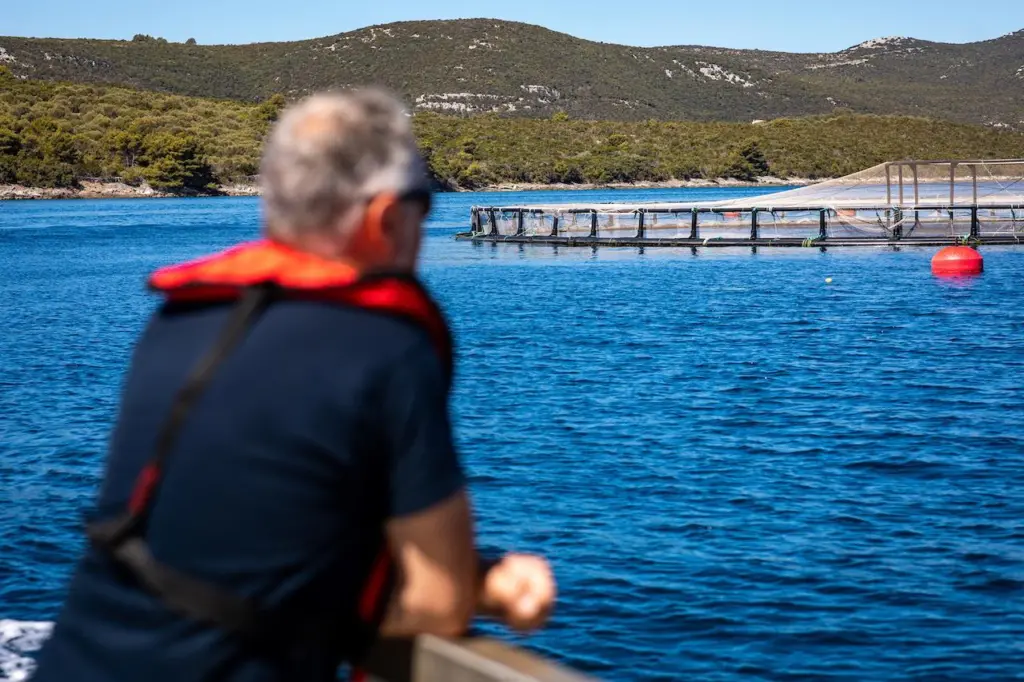
In February this year, the European Commission officially recognised that 2022’s increased energy prices were a threat to the profitability and viability of European aquaculture operations – both directly through increased energy costs and indirectly through higher feed prices and other input costs. A report that it published also highlighted the high dependence of the European fisheries and aquaculture sectors on price swings in the electricity market and the losses suffered as a result of the 2022 energy crunch.
The Commission estimates the EU fishing fleet’s net profits dropped from €218 million in 2021 to a loss of €430 million in 2022, owing to soaring fuel prices. However, no similar estimation was provided for the fish farming sector, where the impact is believed to be substantial but probably not as dramatic.
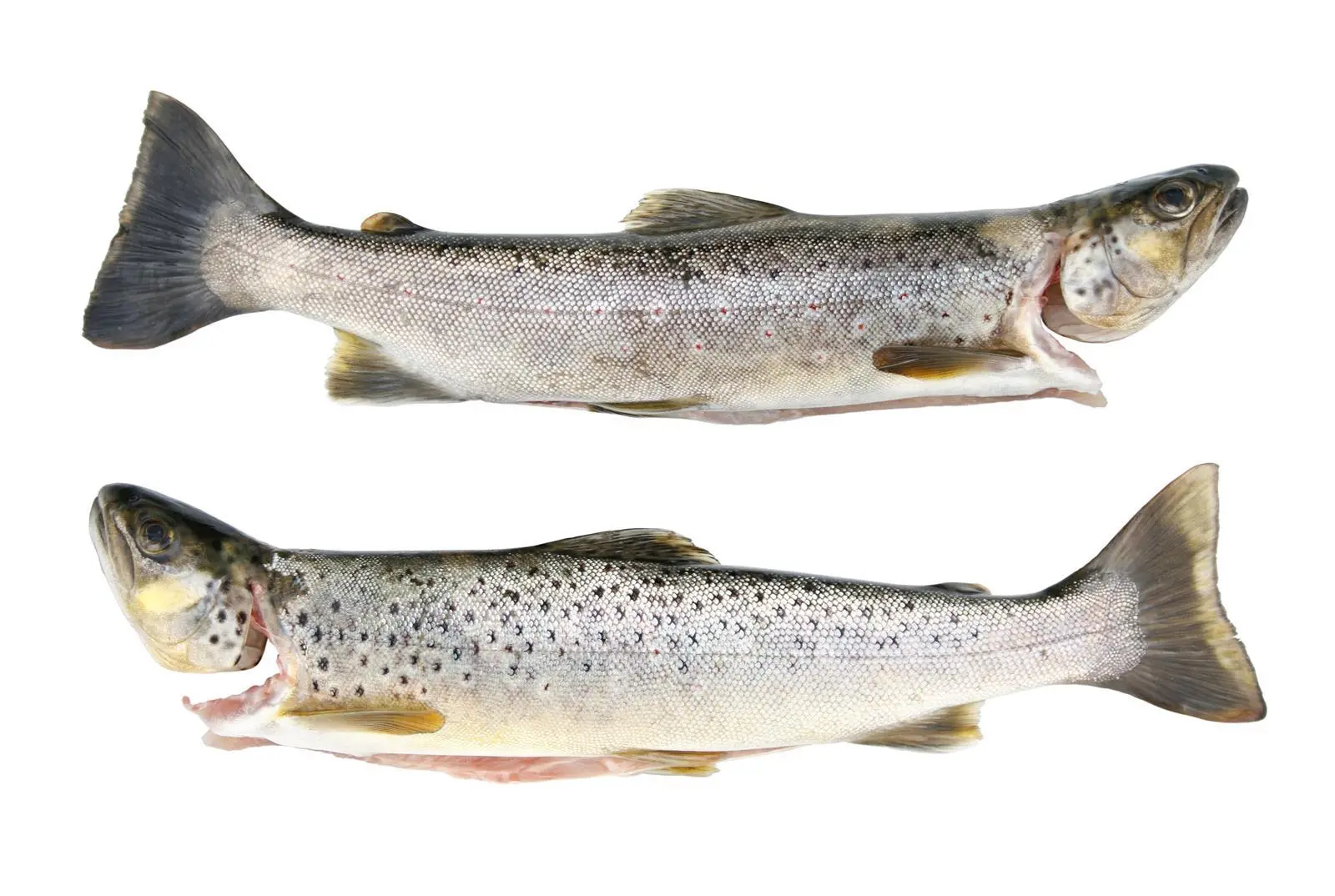
But it did point out that the share of costs for energy consumption differs widely depending on both the type of species farmed and the production technique used. For example, energy costs in EU mussel aquaculture range from 3% of total expenses in operations using mussel rafts to 14% of total costs in operations using mussel longlines. With EU rainbow-trout aquaculture, which represents over half of EU freshwater farming production, costs range from an almost negligible percentage in operations using trout cages to 8% of total costs in raceways and trout tanks.
Still, this figure is a far cry from a 35% share of production costs the energy and fuel currently claim in the fishing fleets’ operational costs. Last year, 66% of the large-scale and 87% of the distant-water fleet were not profitable. This factor even forced owners to keep their vessels in ports.
In the fish farming sector, the picture is believed to be brighter, as most companies still manage to make ends meet.
Persistent problems
A relatively warm winter and also efforts made by relevant authorities to diversify energy supplies helped the European fish farming industry to survive the main heating period. Apocalyptic predictions about energy shortages, rolling blackouts, and mass bankruptcies also failed to materialise. The energy prices, in fact, subsided to levels seen before Russian troops crossed the Ukrainian border.
“The energy cost situation over the winter has been milder than anticipated. However, the situation remains uncertain,” said Javier Ojeda, General Secretary of the Federation of European Aquaculture Producers (FEAP), adding that, nevertheless, the industry keeps suffering from an increase in general costs, including feed and labour, that continues to put pressure on the economies of fish farming undertakings.
But the biggest issue isn’t the rise in costs itself but the fact that the wholesale fish and seafood prices have failed to keep pace with the farms’ surging expedites, he explained.
“Consumption of fresh fish continues to be under pressure because of higher sale prices and the tightening of the economies of families. However, the higher sale prices do not fully compensate for the producer’s higher production costs. The gravity of the situation differs from country to country, of course,” Ojeda said.
Seafood consumption in the EU was expected to drop for a sixth year in a row in 2022, according to the European fish processors and traders association AIPCE-CEP. Owing to high food inflation, EU seafood consumption was predicted to shrink to 9.4 million tonnes, the lowest level in many years. This continuous downward trend has put heavy pressure on prices, forcing fish farmers to look for cost-saving solutions almost everywhere.
“All of our breeders continue to look for savings and struggle to increase fish prices, which have not kept pace with rising production costs. Inflation is still not slowing down, but some breeders have managed to negotiate more favourable prices than initially for energy, which, next to feed, accounts for the largest share of the cost structure,” Polish Trout Breeders Association Manager Anna Swacha-Polańska told WF.
Facing challenges, fish farmers increasingly count on state support to keep their operations afloat.
“Currently, [Polish] farmers are awaiting the disbursement of the first funds from the so-called “war aid” under for the implementation of operations to support additional costs incurred by fishery and aquaculture operators due to market disruptions caused by Russia’s war of aggression against Ukraine and its impact on the supply chain of fishery and aquaculture products. The government has announced a second round of this aid,” Swacha-Polańska said.
There is no clarity as to when the current crisis can end. However, as the European Commission pointed out, at least some challenges are here to stay. Most farmers are also not expecting any improvements in the foreseeable future.
“The Russian invasion of Ukraine continues to be the origin of the situation. The ending of the conflict will be required to return to a certain normality and predictability,” Ojeda said.
Path to recovery
Still, some analysts believe there’s reason for optimism, as the end of the energy crisis could herald a recovery in fish consumption in the EU.
“It’s true that the tension around the topic at the consumer and household level has been lowering throughout the winter. This might be a positive sign for fish consumption recovery in the long term. Companies still face the risks of raising their prices and all the business-related costs that were also increasing for them,” said Javier Muñoz, Research Analyst at Euromonitor International.
Muñoz also believes that with sustainability being a cause for decreasing fish and seafood consumption in general and, most recently, increasing prices, it is an opportunity for aquaculture as an industry to put more effort into developing in an environmentally-friendly way.
Indeed, the European Commission stated in its February report that several fisheries and aquaculture facilities have already started to adapt their vessels, facilities, gears and operations to increase energy efficiency. As a result, they have lowered operational costs, energy intensity, and their dependency on fossil fuels.
On the other hand, it’s also recognised that adopting energy-efficient technologies can sometimes have undesirable effects, including on fish stocks or marine ecosystems.
In general, the Commission sees the current energy market situation as a favourable opportunity to spur energy transition within the fish farming sector. But it also concedes that some technological and financial barriers still need to be overcome to make that happen.
Overseas competition
Analysts feel that despite its current challenges, the long-term outlook for the industry remains bright.
“There is a certain optimism in the fish farming industry. It is the fastest-growing food sector globally, and the innovation and development of an increased level of sustainability demands allows it to adapt to not always favourable situations. The growth of fish farming counters the stagnation of fish and seafood consumption. Fish farmers now have the upper hand when it comes to the whole fish and seafood industry,” Muñoz said.
Still, the biggest challenge European fish farmers may have to face is associated with cheap imports from third-countries. In 2022, Europe’s reliance on imports increased compared with the previous year due to Brexit and some other factors. Despite sanctions, Russian managed to ramp up pollock export to the EU.
“The competition from abroad and dependence on fish imports have been an issue for years now in Europe,” Muñoz said, adding that issues like labour shortages and a need to pay higher salaries to employees than in some other countries, cheaper feed and sometimes more strict regulations are not new but have been exacerbated because of the crisis in Europe – in turn resulting from the Ukraine war and the consequences it has generated, such as inflation. Still, he added, in the long run, European consumers will remain loyal to locally-grown fish.
“Even though in a climate of higher prices, consumers will always look for the cheapest goods, an interest in sustainability and responsible consumption might be the longer-term solution for the fish and seafood industry once the current financial problems start to get better,” Muñoz said.
Related Articles
 AQUACULTURE
 AQUACULTURE
 AQUACULTURE