




Championing microalgae
Aquaculture feed company BioMar has significantly scaled-up the inclusion of microalgae in the raw material portfolio of its production facility in Brande, Denmark, to the point that it no longer regards it as a niche ingredient.
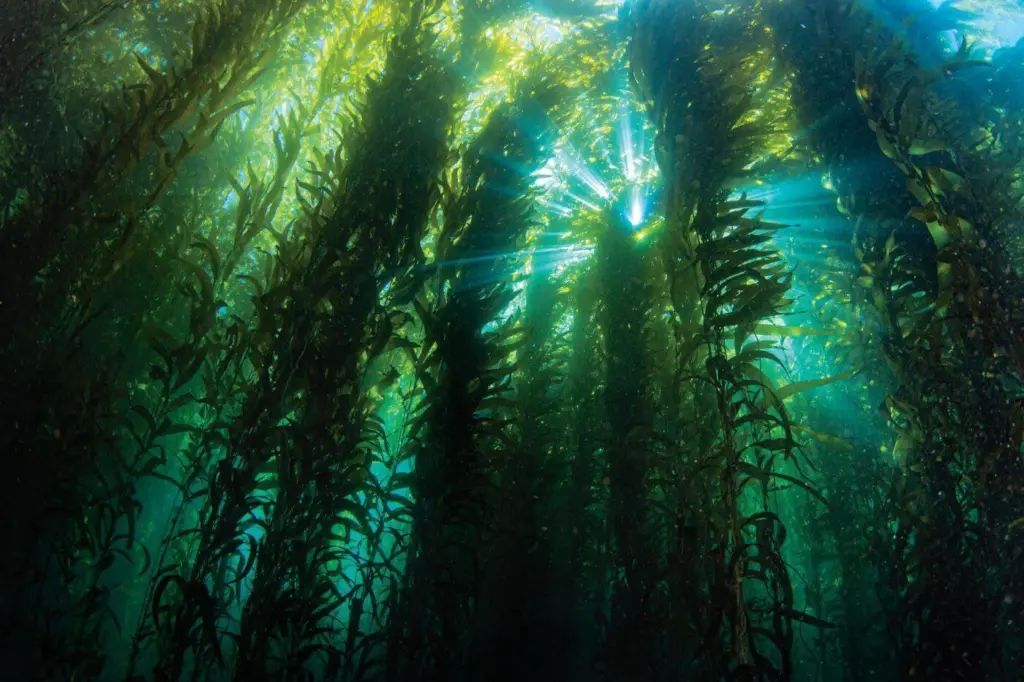
Using microalgae in its flagship product line at Brande, thereby reducing its dependency on wild fish stocks, is enabling BioMar to make sustainability gains, the company said.
Its research and development of algae-based ingredients began in 2013. A number of internal and external research projects have followed, including the recent Alga4Fuel&Aqua project, which was a collaboration between BioMar Hellenic, the University of Thessaly and other stakeholders.
The first commercial feeds containing microalgae hit markets in 2016, and by 2021 BioMar had reached 1 million tonnes of salmon feeds containing microalgae.
“Microalgae has been a game-changing strategic ingredient for us for years, and still is. We are now delighted to increase the volumes we use significantly and raise the sustainability bar for our flagship products. Microalgae is no longer a novel idea, it has become a commercial reality,” BioMar Baltics Managing Director, Anders Brandt-Clausen, said.
With the philosophy to source the raw materials and ingredients that do not compete with the human supply chain, BioMar has the ambition that its feeds become 50% circular and restorative by 2030.
Circular raw materials are those originating from by-product and waste streams and BioMar defines restorative ingredients as raw materials that significantly shift the balance between ecosystem impacts and human production systems towards a net-positive environmental outcomes.
AlgaPrime DHA, supplied by Corbion, is to be included in the formulation of BioMar’s flagship diets, and will aid in furthering the sustainability profile of product series such as Blue IMPACT, EFICO Enviro and ORBIT.
“We see this as the birth stage for the next generation feeds with a highly sustainable profile from Brande. Adding microalgae paves the way for the upcoming developments on our sustainable feeds that our farmers will directly benefit with a reduction in their own on-farm footprint,” Brandt-Clausen said.
Related Articles
 AQUACULTURE
 AQUACULTURE
 AQUACULTURE