



Canada extends transition from open net-pen salmon farming in British Columbia
Diane Lebouthillier, Canada’s Minister of Fisheries, Oceans and the Canadian Coast Guard, has announced the Government of Canada will ban open net-pen salmon aquaculture in British Columbia (BC) coastal waters by 30 June 2029.
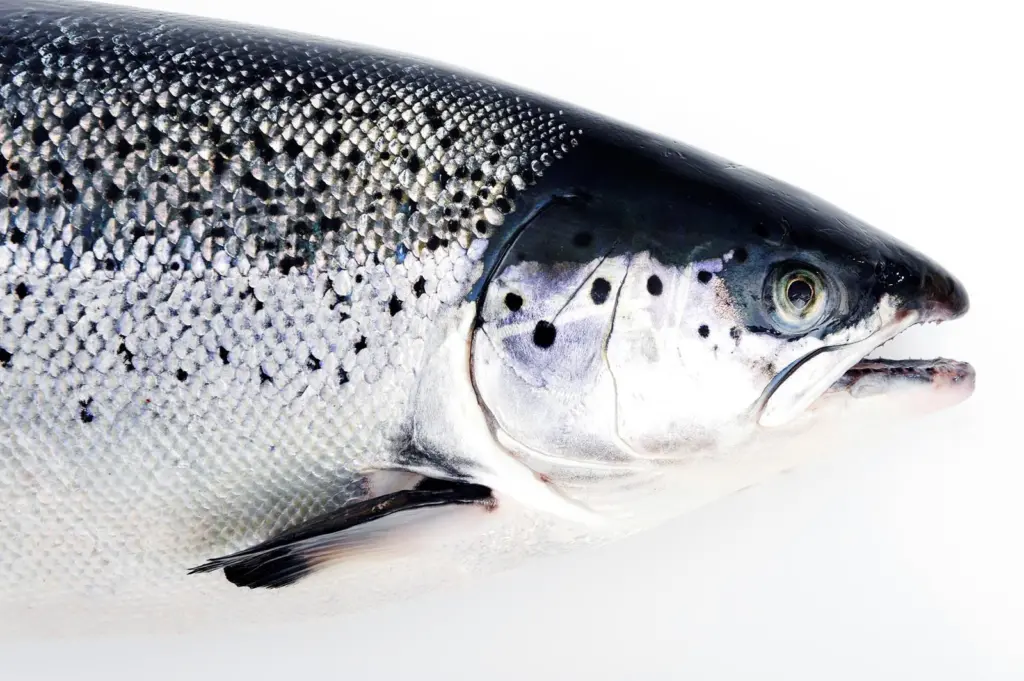
The move comes as part of plans to protect BC’s wild Pacific salmon, which the government said are facing “unprecedented threats to their survival”.
But recognising that a number of First Nations, coastal communities, and others in BC rely on open net-pen aquaculture for their livelihood and prosperity, the Government of Canada will release a draft salmon aquaculture transition plan by the end of July, that will focus on:
- How to support First Nations, workers, and communities in this transition
- Identifying economic supports for the use of innovative and clean aquaculture technology
- Milestones, principles, and criteria for the transition of salmon open net-pen aquaculture over the five-year licence period; and,
- Management of salmon open net-pen aquaculture until the ban is fully implemented
Over the coming months, federal departments, as part of a whole-of-government effort, will engage with those directly and indirectly affected by this transition to discuss how best to support them.
This transition only applies to aquaculture practices in British Columbia, where Fisheries and Oceans Canada is the lead regulator for aquaculture. Elsewhere in Canada, where provinces and territories are the lead regulator, Fisheries and Oceans Canada respects their jurisdiction.
To facilitate a successful transition, Lebouthillier also announced her intention to renew salmon aquaculture licences for five years. Effective 1 July 2024, these licences will come with stricter conditions to ensure improved management of sea lice on farmed fish, robust reporting requirements for industry, and additional monitoring of marine mammal interactions. These conditions will strengthen protections for wild species and the marine environment, while ensuring aquaculture facilities can operate safely during this transition period.
After 1 July 2024, only marine or land-based closed-containment systems will be considered for salmon aquaculture licences in coastal British Columbia. The Government of Canada acknowledged that such systems are likely to come with increased investment costs. To provide greater predictability, Minister Lebouthillier also announced her intention to issue nine-year licences to successful closed-containment production applicants.
According to the government, over the past several years, the Department of Fisheries and Oceans heard a wide range of opinions, concerns and views on open net-pen salmon aquaculture in coastal British Columbia. It said it is committed to ensuring a responsible, realistic, and achievable transition that will encourage innovative forms of aquaculture production for a more sustainable future.
“The government is firmly committed to taking concrete steps to protect wild Pacific salmon. Today, I’m announcing the essence of a responsible, realistic, and achievable transition that ensures the protection of wild species, food security and the vital economic development of British Columbia’s First Nations, coastal communities and others, as we keep working towards a final transition plan by 2025,” Lebouthillier said.
Jonathan Wilkinson, Minister of Energy and Natural Resources, commented: “In 2019, we committed to developing a responsible plan to transition from open-net pen salmon farming to closed containment technologies, in order to protect and support our crucially important wild Pacific salmon and create a vibrant marine ecosystem and sustainable industries for generations to come.
“Today, we are delivering on that promise and taking an important step in Canada’s path towards salmon and environmental conservation, sustainable aquaculture production, and clean technology. We recognise the importance of meaningful and thoughtful engagement with First Nations partners and communities as we move forward, in order to ensure that economic impacts are mitigated and we incentivize and promote wild fish health, reconciliation, economic development, and food security as we move forwards.”
Terry Beech, Minister of Citizens’ Services, added: “Wild Pacific salmon is part of who we are as British Columbians. This measure respects the Wild Salmon Policy, the precautionary principle, and is part of our commitment to environmental stewardship and reconciliation. We will work with Indigenous communities, industry, governments, and stakeholders to restore the abundance of wild salmon for the benefit of future generations while growing the sustainable aquaculture industry as part of our Blue Economy Strategy.”
Related Articles
 AQUACULTURE
 SEAFOOD
 SEAFOOD