




Vietnam aiming at $11 billion of seafood exports in 2025
Despite challenges, including increased competition from other countries, trade wars and market barriers, Vietnam’s seafood exports are expected to continue to increase and could reach a total value of US$ 11 billion this year – a feat last achieved in 2022, according to the Vietnam Association of Seafood Exporters and Producers (Vasep).
In 2024, the country’s seafood exporters overcame many difficulties and challenges in terms of raw material sources, reduced demand, increased competition, and increased market barriers. Nevertheless, an export value of over $10 billion was achieved, not including more than $250 million from its overseas fishmeal sales.
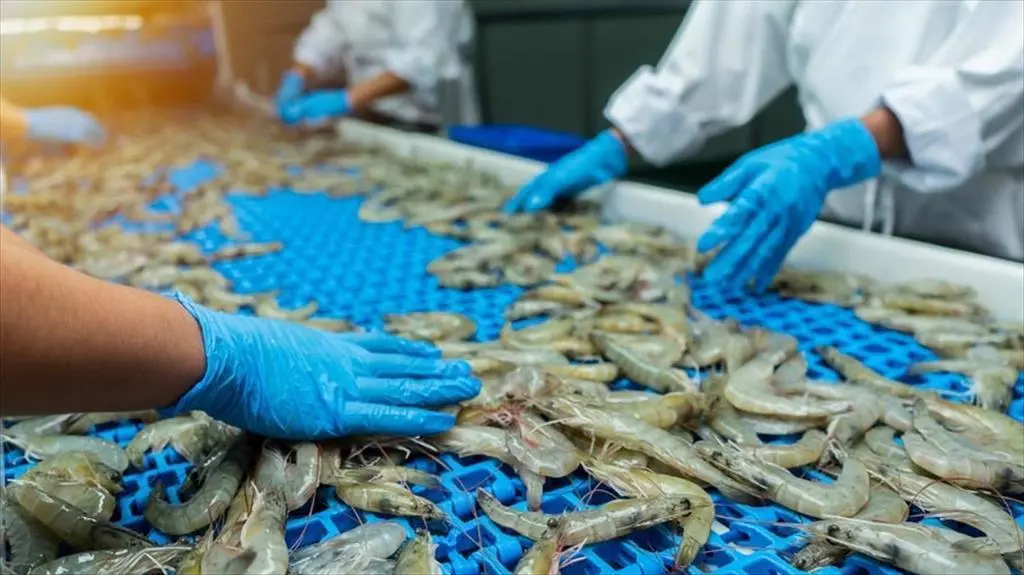
Specifically, the shrimp industry achieved an export value of nearly $3.9 billion, an increase of 15% compared to 2023. This result was thanks to the strategy of focusing on the strength of value-added products and diversifying product segments (whiteleg shrimp, tiger shrimp, lobster, sea shrimp, etc.), Vasep said.
For the pangasius industry, despite facing difficulties such as rising shipping costs and a slow recovery of import prices, the export value still reached $2 billion – up 9% over the previous year. The association explained that traditional markets such as the US, Brazil, Colombia and CPTPP countries have become important driving forces behind the pangasius industry’s recovery.
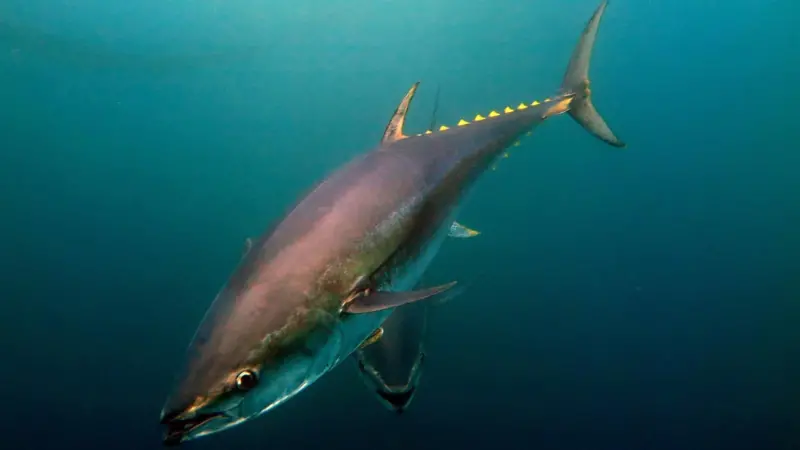
It was also a successful year for the country’s wild-caught seafood (tuna, crab, squid, octopus, shellfish and other marine fish), with a total trade of more than $4 billion. This was achieved despite many difficulties in raw material sourcing and IUU regulations that must be complied with.
But Vasep Communications Director Le Hang said that while seafood exports are expected to continue to grow this year and return to 2022’s levels, 2025 will also be a year in which the seafood industry faces many challenges.
Regarding export opportunities for Vietnam’s seafood industry in 2025, Hang noted that many major economies such as the US, China and the European Union recorded recoveries of different levels in 2024 and said that the global seafood market, especially large markets such as the US, EU, Japan and China, will continue to maintain high demand.
African, Southeast Asian and Middle Eastern markets may also expand, creating opportunities for high-quality seafood products from Vietnam, she said.
In addition, Vietnam has signed 16 free trade agreements (FTAs) and is negotiating three more. New-generation agreements, especially the EVFTA (with the EU) and CPTPP, help reduce export taxes, increase market access and enhance the competitiveness of Vietnamese seafood, especially in the context of the global economy still being restrained by geopolitical instability.
Vasep also believes a new US tax policy – specifically if America increases taxes on seafood products from rival countries such as China – could create replacement opportunities for Vietnamese products. However, Vietnamese enterprises may also experience increased export costs and face the risk of being subject to anti-dumping and anti-subsidy taxes.
According to Hang, climate change, increased competition from other countries, trade wars and market barriers will provide additional challenges for Vietnam’s seafood exports in 2025. She conceded that climate change will affect the development of aquatic resources, especially aquaculture.
Rising sea levels, changes in temperature and polluted water sources can cause difficulties in the production of aquatic materials, and the risk of disease will reduce the supply and quality of raw materials, she said.
At the same time, rival seafood producing countries such as India, Thailand, China and Ecuador are also making efforts to increase their output and quality of seafood exports. This creates fierce competition in price and product quality for Vietnamese seafood.
Also, factors such as rising prices of animal feed, fuel, and transportation costs may affect the cost of seafood production and this will reduce the competitiveness of Vietnamese products in the international market, she said.