


Seafood demand weakens
Persistently high production costs will undermine sales in the second-half of 2022, determines new analysis from the RaboResearch unit of Rabobank.
Compared to the end of 2021 and the start of 2022, the global demand for seafood can be expected to be softer in the closing six months of this year. That’s according to Rabobank’s Global Aquaculture Update 2H 2022.
Subtitled “On the Brink of Recession”, this analysis also forecasts salmon and shrimp farmers are likely to see their profits decline from recent highs, and that the remaining months of this year may be challenging.
According to Rabobank, both production sectors experienced record demand and prices in the first half of this year, but that the supply dynamics have been very different, with a strong supply growth in shrimp and the largest contraction (-6%) in the salmon supply since 2016.
The report states that recessionary dynamics have already started in both the EU and the US in the midst of their pandemic recoveries, and that this will lead to cooling foodservice demand and a switch back to retail in both regions.
It also suggests that China presents “an unpredictable factor” in the second-half of the year and that its rising demand for imported seafood could potentially present an upside for both shrimp and salmon producers, especially in the fourth-quarter.
This is as long as COVID-related lockdowns and import restrictions are not re-introduced, it offers.
Chinese hopes
Rabobank’s Senior Global Specialist – Seafood Gorjan Nikolik, who compiled the report commented that the US remains a strong demand driver for seafood, but that foodservice demand is clearly declining.
“This could be the beginning of a long challenging period in the US. But China has the potential to be the key driver of demand for shrimp, and possibly salmon, in Q4 2022,” Nikolik said. “Though we remain optimistic that China will once again become an important driver of shrimp and salmon demand before the end of the year, COVID lockdowns and import restrictions greatly decrease the probability.”
The report also projects that feed, freight and energy costs will remain high and could increase in the second-half of this year. For salmon farmers, a large part of 2021 and the first-half of 2022 was marked by record profitability, driven entirely by high price levels, it highlights. And it forecasts that prices will partly normalise but remain high through to the end of 2022.
For Europe, Rabobank reckons the Nordic salmon industry will experience a supply recovery in the second-half of this year but will also face lower (albeit still high) prices.
However, due to the long production cycle, high feed costs have yet to be fully incorporated into the cost function. The analysis says these dynamics will combine to reduce farmer profitability in the closing six months of 2022.
And yet, the industry is still expected to generate healthy positive margins, it states.
Market constraints
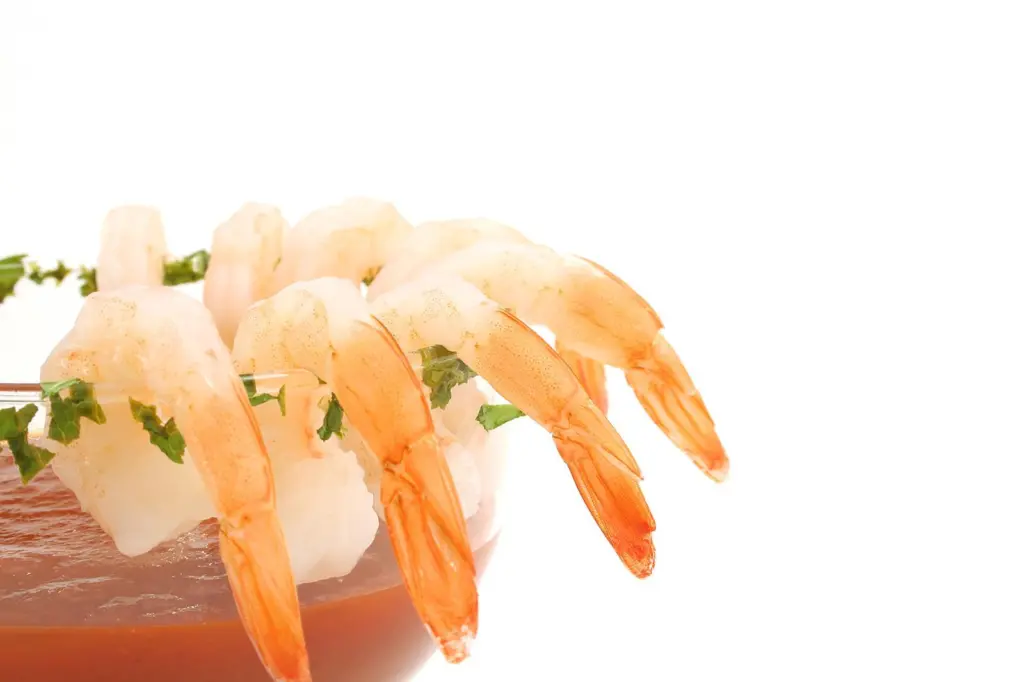
In contrast, Rabobank projects that if the shrimp supply continues to expand as it did in the first-half of this year or if demand further declines due to recessionary consumer behaviour, then prices could fall below breakeven for farmers.
It said that in some cases, this has already happened, adding that “as in many other agricultural sectors, supply only responds when farmer profitability is clearly impacted”.
The US and EU markets drove shrimp demand in 2021 and the early part of this year, but the report anticipates that this growth is “likely to cool off” as inflation has been reducing disposable incomes in the second-half of 2022.
China’s demand is hard to predict, it says, explaining that shrimp imports improved strongly but are still below pre-pandemic levels.
With regards to key shrimp production areas, Rabobank advises that Ecuador continues to rapidly increase its output, despite the lower prices, while India is unlikely to match the harvests it achieved in the second-half of last year.
Export growth continues in both Vietnam and Indonesia.
“We remain optimistic about the long-term prospects of the shrimp industry but expect a challenging period in the short term,” Nikolik said.
Meanwhile, the analysis confirms that the fishmeal supply remains relatively stable, and the record-high prices of vegetable substitutes are making marine ingredients relatively competitive in feed formulas.