




Report: Climate change displacing fish
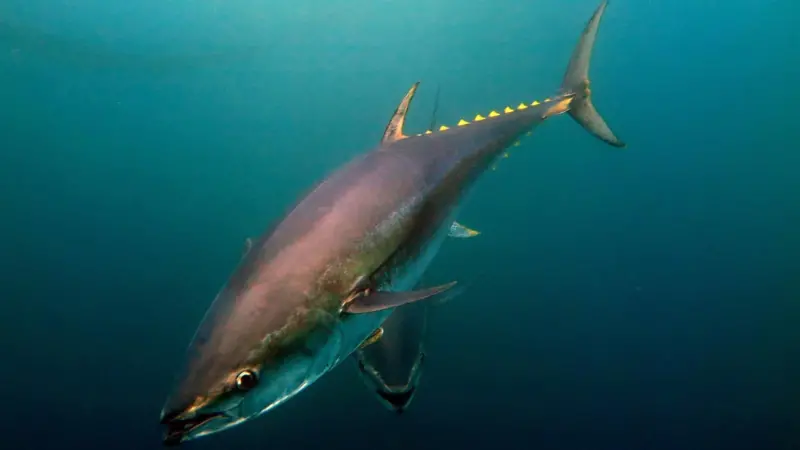
The majority of fish populations in the sea are responding to global warming by relocating towards colder waters nearer the north and south poles, according to new research on the impact of climate change on oceans.
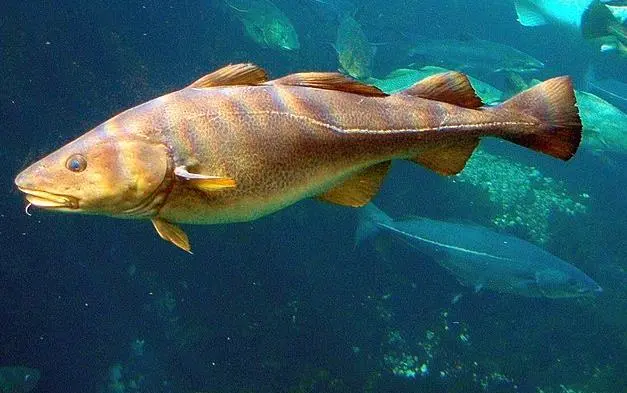
Analysing the current worldwide data on marine fish changes in recent years, researchers from the University of Glasgow have identified how fish populations are responding to rising sea temperatures. They have found that in response to ocean warming many marine fish populations are shifting toward the earth’s poles or are moving to deeper waters to stay cool.
For marine life such as fish, the temperature of the surrounding water affects critical functions such as metabolism, growth and reproduction. Moreover, marine species often have a very narrow liveable temperature range making even small differences in the water impossible to cope with. As a result, marine life changes caused by global warming have been up to seven-fold faster than animal responses on land.
According to the paper “Temperature change effects on marine fish range shifts: a meta-analysis of ecological and methodological predictors”, published in Global Change Biology, over the last century, global warming has had substantial impacts on marine ecosystems, with fish species disappearing from some locations altogether. In some cases, they may have adapted or changed aspects of their biology in order to adapt to warmer conditions. But in many cases, a change in the geographical range may be the only means of coping with rapid warming.
As the current effects of global warming on marine ecosystems are predicted to increase – and with sea temperatures forecasted to continue rising – the study advises that the ability to predict fish relocations will be vital to protect global ecosystems and maintain food security.
The latest study examined data on 115 species spanning all major oceanic regions, totalling 595 marine fish population responses to rising sea temperatures.
“We observed a striking trend wherewith species living in areas that are warming faster are also showing the most rapid shifts in their geographical distributions,” said Carolin Dahms, lead author on the study. “It’s possible that rate of warming in some regions may be too fast for fish to adapt, and so relocating may be their best coping strategy. At the same time, we see that their ability to do so is also impacted by other factors such as fishing, with commercially exploited species moving more slowly.”
Professor Shaun Killen, senior author of the study, said that while relocation to cooler water may allow these species to persist in the short-term, it remains to be seen how food webs and ecosystems will be affected by the changes.
“If the prey of these species don’t also move, or if these species become an invasive disturbance in their new location, there could be serious consequences down the road,” he said.
The study also found that it matters how climate responses are measured and reported. The research explained that though current literature is biased towards northern, commercially important species, in the future more research from some of the most rapidly changing ecosystems such as in the Global South will be needed to improve our understanding of how the oceans will change.