

EU aquaculture lingers at less than 1.1 million tonnes
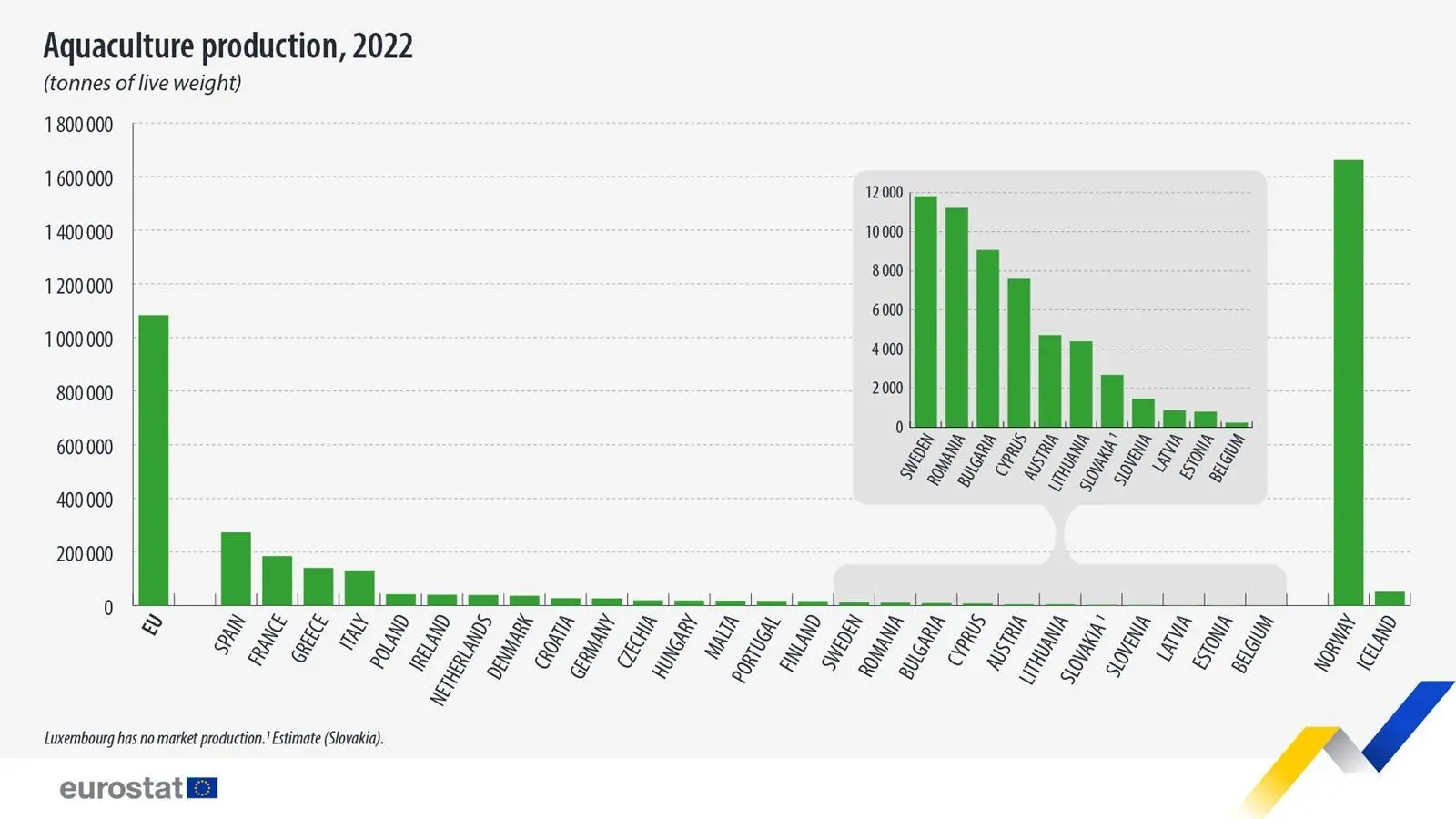
An estimated 1.08 million tonnes of aquatic organisms were farmed in the European Union in 2022, with the total production valued at €4.9 billion, according to the latest statistics from the European Commission.
In terms of output, the EU’s aquaculture sector was the 13th largest worldwide (a little more than Thailand), with a 0.9% share of the volume of global output in 2022, while the value represented just over two-fifths of the total value of the EU’s total production of seafood products (landings and aquaculture).
The analysis also finds four EU countries collectively accounted for about two-thirds (67%) of the total production of farmed aquatic organisms: Spain (25%), France (17%), Greece (13%) and Italy (12%), but as in previous years, Norway’s production surpassed that of the entire EU, with 1.66 million tonnes produced, most of which was salmon. Indeed, Norway was the world’s sixth largest producer in aquaculture fish production in 2022, with a 2.7% global share. It was also the world’s second largest exporter of aquatic organisms, after China.
Among EU countries, Greece had the highest value of aquaculture output in 2022 (an estimated €844 million), representing 17.4% of the EU total. The value of output was next highest in Spain (€803 million), then in France (€791 million) and Italy (€553 million).
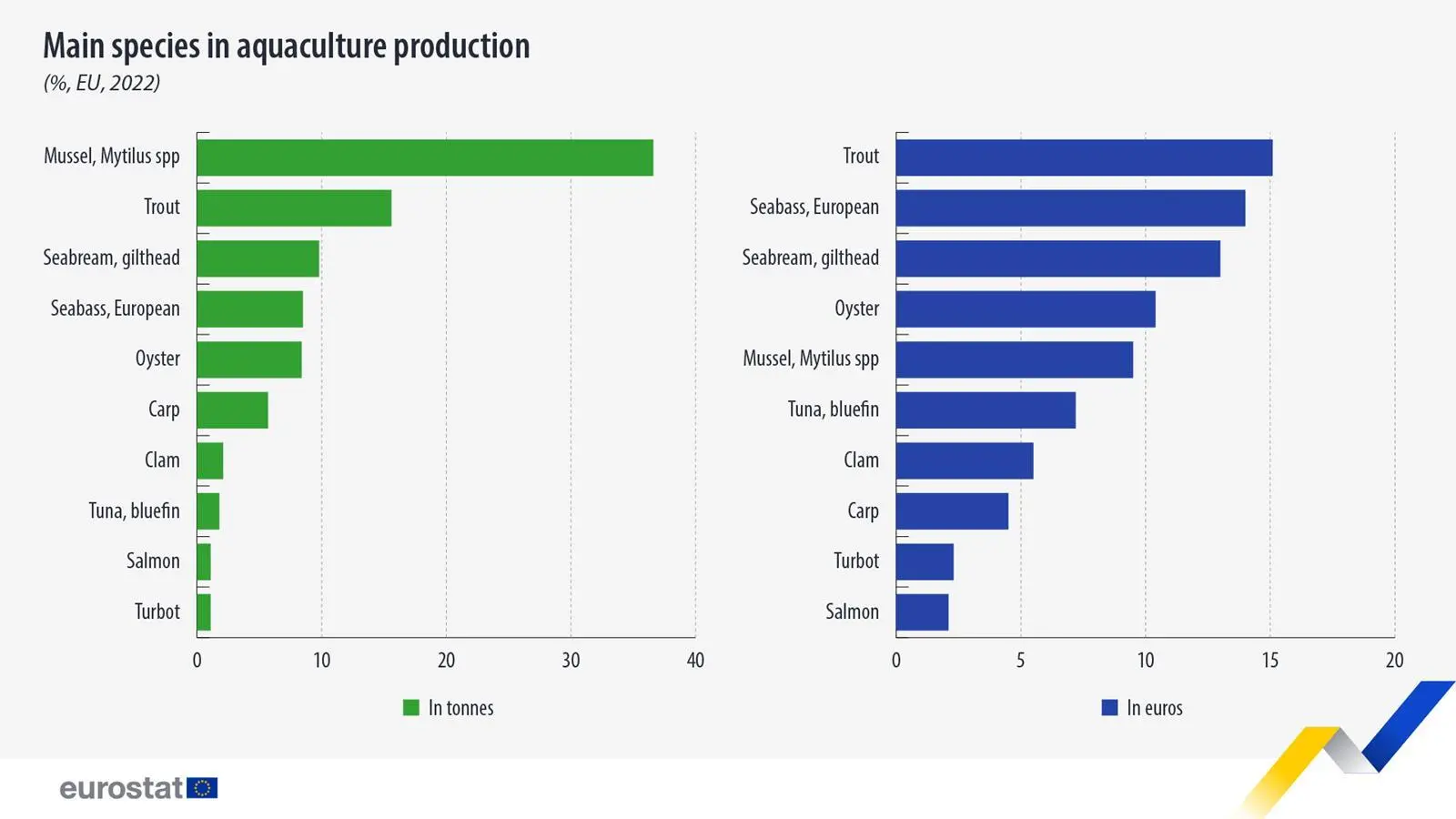
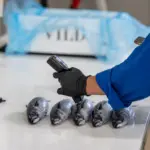
Production in the EU is focused primarily on finfish species such as trout, seabream, seabass, carp, tuna and salmon, and molluscs (including mussels, oysters and clams), which together accounted for almost all of the aquaculture production by weight in 2022.
Different aquatic organisms commanded different prices. For instance, the average first sale prices for mussels were about €1.10 per kg, for seabass around €7 per kg, and for tuna were about €18 per kg.
The production value of trout (15.1%) and seabass (14%) had the highest shares of value for the EU aquatic farming sector.
It was also noted that the aquaculture sector is highly specialised within the EU.
Spain produced about 7 in every 10 tonnes of the EU’s farmed Mediterranean mussels (Mytilus galloprovincialis) in 2022, largely due to its rafts in the estuaries of northern Spain using the ‘off bottom’ method. Blue mussels (Mytilus edulis) were farmed in the Atlantic, Northeast area by the France (about 51% of the EU total in 2022), the Netherlands (about 24 %) and Ireland (about 15%). Both ‘off bottom’ (preferred in Ireland) and ‘on-bottom’ methods (preferred in the Netherlands) were used.
Greece produced about 66% of the EU’s farmed production of gilthead seabream (Sparus aurata) and 51% of the European seabass (Dicentrarchus labrax) in 2022. Poland and Czechia were the leading EU producers of common carp (Cyprinus carpio), together producing about 53% of the EU total. At world level, common carp was the fifth most farmed finfish species.
Within the EU, Pacific cupped oysters (Magallana gigas) were produced mainly in France (about 88% of the total in 2022). Worldwide, about 33% of all molluscs produced in 2022 were cupped oysters. Italy produced the vast majority (about 94% in 2022) of the EU’s farmed Japanese carpet shell (Ruditapes philippinarum). At world level, it was the second most produced species among the molluscs (23% of the total in 2022).
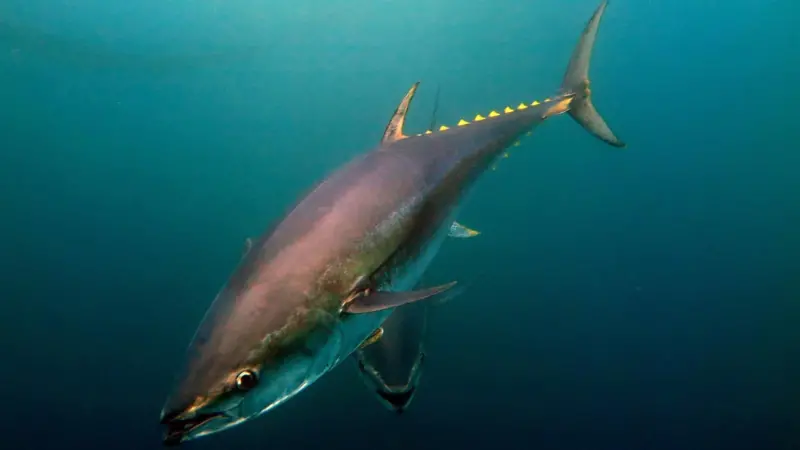
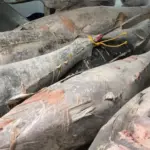
Atlantic bluefin tuna (Thunnus thynnus) were farmed in cages in only two EU countries, both in the Mediterranean Sea: Malta accounted for about 83% of EU farmed production of bluefin tuna, the rest being produced in Croatia.
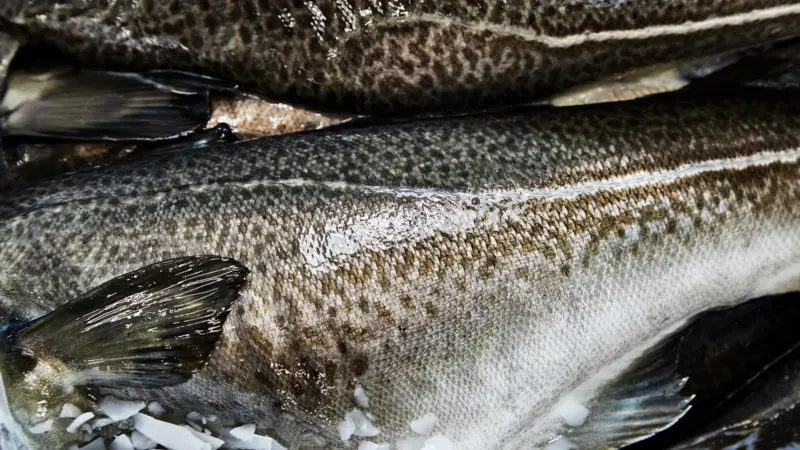
Ireland was responsible for about 98% of 12,100 tonnes of farmed salmon in the EU in 2022. However, the quantity farmed was far below the 1.5 million tonnes farmed in Norway. At world level, Atlantic salmon (Salmo salar) was the eighth most produced finfish species.
The production of farmed rainbow trout (Oncorhynchus mykis) in the EU is something of an exception to the general observation about country specialisation; rainbow trout were farmed in 22 EU countries. About 51% of the farmed live-weight of rainbow production in the EU in 2022 came from the combined output of France, Italy and Denmark. Fish were farmed either in inland freshwater (more than four-fifths of the total) or in the saltwater of the Atlantic, Northeast area, and mainly in tanks (about 50%).
According to the analysis, there were fluctuations in the EU’s aquaculture production in 2022 due to a variety of reasons, including the fact that some of the species are being bred and grown solely for stocking purposes, some fish species are not harvested yearly, some enterprises trying new species, and the production of some species is being experimental.
Additionally, the sector experienced increased energy prices, largely due to the Covid pandemic and the war in Ukraine, and these caused higher production prices, which were also reflected in the selling prices.
The analysis highlights that while production in tonnes remained the same (or even fell in some countries), the total production value in euros climbed higher. Furthermore, some enterprises found it difficult to continue production due to rising costs.
Between 2010 and 2022, the volume of EU aquaculture production remained relatively stable, but the value of that production increased through higher prices, particularly between 2020 and 2022. Overall, between 2010 and 2022, the value of aquaculture production rose by about 75%.
The analysis also highlighted that over this medium-term period, there was a sharp increase in both the volume and value of Norwegian aquaculture production. In 2022, the volume was 63% higher than in 2010, although there was no increase between 2021 and 2022 (-0.2%). The value of output in 2022 was approaching triple that recorded in 2010, with the accelerated rises in 2021 and 2022 building on steadier increases in other years over this period.