Blue foods ­– those products we consume that are derived from aquatic animals and plants which are caught or cultivated in marine and freshwater environments – are ideally placed to solve many of our future food system challenges, but it’s critical they are supported through action and innovation from all stakeholders across the entire value chain, according to Jim Leape, Co-founder and leader of the Blue Food Assessment, William and Eva Price Senior Fellow and Co-director of the Center for Ocean Solutions in the Stanford Woods Institute for the Environment.

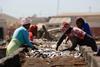
Senegalese Fish

Senegalese Fish

Blue food systems need to recognise the critical roles played by women and small-scale producers

Delivering the Blue Food Innovation Summit 2023’s keynote presentation entitled “Bridging Silos: Raising the profile of blue food in climate, sustainability and food conversations”, Leape acknowledged that “blue food is an odd phrase” and in certain situations “a challenging term”, but he also maintained it’s been important innovation in the way we talk about these food sources. 

“The ‘blue food frame’ has helped us realise the fish, crustaceans and plants we harvest are not just natural and economic resources, they are food, and we need to be increasingly thinking about what roles they can play in achieving the array of goals we have for food systems. That recognition should open our lens to thinking about what we are doing with this resource and what we could be doing with this resource, and how can we develop it to meet the urgent needs that we will have in the future.”

The food systems that are in place are in trouble, Leape told the London conference. They are, he said, by far the principal driver of biodiversity loss, the principal use of water and cause of deforestation, as well as being the main contributor to climate change – all coming from producing so much of our food on land through agriculture, and in particular, through livestock farming.

“If we are going to build a food system that provides better diets than we have today for maybe 9 or 10 billion people, then it’s clear we can’t just continue to expand the production of food on land; we have to find ways to take better opportunities from the water. That’s what prompted the Blue Food Assessment four years ago, and that’s what brings us into this conversation – thinking much more broadly about the roles blue foods can play and building the systems we need.”

Through diversity comes possibility

While just four species of terrestrial animals provide more than 90% of the animal-source protein that we eat, there are 2,500 species of blue foods in production, including 600 species that are already cultivated in aquaculture, and most of these foods are also rich in vital micronutrients, Leape said. 

“With diversity comes possibilities: Possibilities for resilience, but also possibilities for meeting the many needs that we have in creating the food system of the future.”

To this end, there are some important considerations to be made, he said. Not least, that small-scale producers are at the heart of the blue food system and that most of the food consumed worldwide comes from small-scale production. And yet these producers are generally neglected in both management and market terms.

“Finding a way to support small-scale producers is an essential part of building the food system of the future,” Leape said. He also stressed that blue food is not just about more seafood, instead and to “serve our multiple needs” it’s about having more kinds of seafood and finding ways to expand the diversity of production to take better advantage of the huge array of species available.

There’s also a need think more expansively about what “sustainable” should mean in the context of blue foods, he told the summit. “The existing sustainable seafood movement has been crucially important: It’s taken a sector that was in many ways heedlessly destructive in terms of both capture fisheries and early industrial aquaculture and really raised the bar to show what good production looks like…If you look over the last 20 years, there’s been many gains on many fronts,” Leape said.

However, he insists the sustainability horizons now need to be broadened. On the environmental side, advantage needs to be taken of opportunities to develop and produce or shift to species that are intrinsically better in footprint, while from a social perspective, food systems need to be built that recognise the hugely important roles that women (as an estimated half the workforce) and also small-scale producers have.

“There are multiple dimensions to sustainability, and this is true of every walk of life – not just in blue food. But as we get a better understanding of what it’s going to take to live on this planet in a way that it can sustain, we need to be thinking much more broadly about what the elements of sustainability are and how we bring those into developing blue food resources. We need a lot of innovation on a lot of fronts – there’s plenty for all of us to do.

“Like most sustainability challenges, it’s all hands-on-deck, but the blue food frame has helped us understand this is a central part of meeting the challenges of the future and that it’s an agenda that’s full of opportunity,” Leape said.