


Algal toxins poison Chile’s export earnings
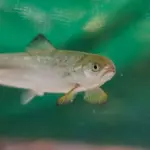
A satellite study, surveying toxic algal blooms, reports that southern Chile’s 360 coastal fish farms are losing millions of Euros each year through deaths of large caged fish as well as shellfish and there have been major outbreaks of local food poisoning.
The study, reports Peter O’Neill, backed by the European Space Agency (ESA), said algal toxins in mussels can pose “serious health risks for humans when consumed”. It said a 2002 harmful algal bloom (HAB) in Chile caused 73 paralytic poisonings and two deaths. In 2004, there were more than 1,500 cases of poisonings costing an estimated €30 million loss, and in 2005 more than 10,000 cases were documented, including one death, ESA said.
The study, carried out by Hatfield Consultants Ltd. under the ESA-funded Chilean Aquaculture Project, uses colour sensors on satellites to pick up the particular tint of the algae in the sea. Satellites can now offer Internet-based early warnings before blooms expand in size. The Chile satellite monitoring is backed up by in situ water surveillance.
The ESA estimates aquaculture is worth nearly one billion Euros a year to Chile. European port cities such as Boulgone-sur-Mer, France’s number one fish processing port, are significant importers of Chilean salmon. Norwegian companies are involved in ownership of a number of Chilean salmon farming enterprises.
The ESA said a number of companies and bodies were using the new satellite system successfully to spot problems, and the companies were reported as saying it was a cheap way of monitoring the situation.
The ESA, pointed out that oxygen starvation caused by the blooms can induce biochemical and physical damage to salmon and shellfish when they cannot escape the contaminated area. Mussel farming has seen a recent major increase in Chile. The expansion of toxic algal bloom problems worldwide is usually in part due to water runoff from agricultural land operations. Contaminated by high levels of land fertiliser and pesticide use, the water feeds into rivers, then estuaries and also contamination from coastal agricultural land operations directly behind the shoreline.
Related Articles
 FISHERIES
 FISHERIES
 WORLD FISHING EVENTS