



Alaska seafood radiation free
The Alaska Department of Environmental Conservation (DEC) has confirmed that no radiation has been found in Alaskan fish sampled in 2015.
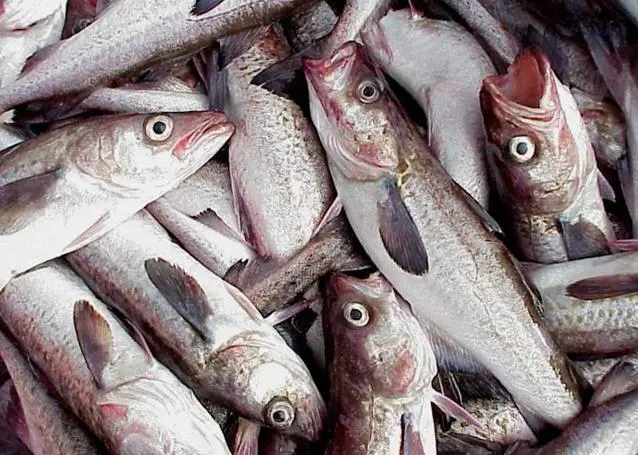
DEC says that the quality of Alaska seafood has not been impacted, with all tests showing “non-detect” for radionuclides associated with the Fukushima nuclear disaster in Japan in 2011.
DEC has been coordinating with the Department of Health and Social Services (DHSS) Division of Public Health, as well as other state, federal, and international agencies and organisations to address continued public concerns about potential impacts on Alaska seafood. Through these efforts, DEC was able to partner with the Food and Drug Administration (FDA) to have Alaska fish sampled and tested for Fukushima-related radionuclides and report test results to the public.
A fish monitoring programme from DEC collected and tested representative samples of Alaska’s fish species that spend part of their life cycle in the western Pacific Ocean. Including, king (Chinook) salmon, chum (dog) salmon, sockeye (red) salmon, pink salmon and Pacific cod.
The results from the tests of Alaskan fish in 2014 showed no detection of Fukushima-related radionuclides Iodine-131 (I-131), Cesium-134 (Cs-134), and Cesium-137 (Cs-137). However, as scientists predicted that concentrations of radionuclides in North Pacific waters could peak in 2015, DEC continued the sampling programme into this summer, but no detectable levels of Fukushima-related radionuclides were found.
The collaborative effort of the Alaska Fish Radiation Radionuclide Sampling Partnership has been awarded a national group recognition award by FDA, which recognises the exemplary service to the State of Alaska in providing sampling techniques and quality control measures for fish.